
Sava I of Serbia
January 27·13th century·Serbia
Saint Sava of Serbia was a Serbian prince and monk who became the first Archbishop of the autocephalous Serbian Church. He is revered as a pivotal figure in Serbian history, known for his work in establishing religious and political independence, writing Serbia's first constitution, and authoring the earliest Serbian biography. Sava is widely considered the greatest figure of Serbian medieval literature and a key architect of Serbian statehood and spiritual identity.
Key Facts
- ›Born Rastko Nemanjić, he was the youngest son of Grand Prince Stefan Nemanja.
- ›He became a monk on Mount Athos, establishing the monastery of Hilandar.
- ›In 1219, he was consecrated as the first Archbishop of the autocephalous Serbian Church.
- ›He authored the Zakonopravilo nomocanon, Serbia's oldest known constitution.
- ›Sava is credited with organizing the Serbian Church and establishing numerous bishoprics.
- ›He undertook extensive pilgrimages to the Holy Land and other religious centers.
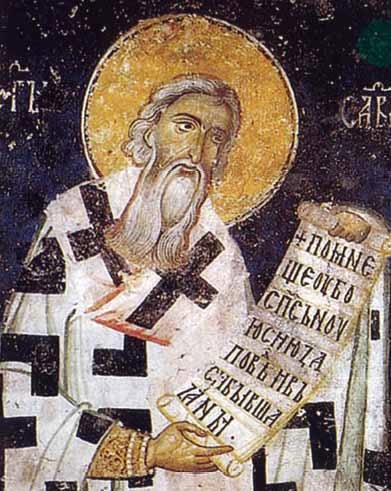
Rastko Nemanjić, Sabbas, The Enlightener, The Illuminator, Saint Sava I of Serbia
Serbia, Serbs, Serbian Education, Medicine
Icon of Nursing Madonna, Crosier of Sabbas the Sanctified
About Sava I of Serbia
Who was Saint Sava?
Saint Sava, born Rastko Nemanjić, was a Serbian prince and monk who became the first Archbishop of the autocephalous Serbian Church. Revered as a pivotal figure in Serbian history, he is credited with establishing the spiritual and political independence of his nation. Sava is widely considered the most important figure of Serbian medieval literature and the author of the first Serbian biography.
Early Life and Monasticism
Born into the ruling Nemanjić dynasty, Rastko Nemanjić was the youngest son of Grand Prince Stefan Nemanja. He was appointed Prince of Hum at a young age, but his serious and ascetic nature led him to renounce secular power. In 1192, he left for Mount Athos, where he became a monk and adopted the name Sava. On Mount Athos, he co-founded the monastery of Hilandar with his father, which became a vital religious and cultural center for the Serbian people.
Establishing Autocephaly and Law
Following his father's death and a period of political turmoil in Serbia, Sava returned to his homeland. He worked to organize the Serbian Church and, in 1219, was consecrated as the first Archbishop of the autocephalous Serbian Church by the Patriarch of Constantinople. In the same year, he authored the "Zakonopravilo nomocanon," Serbia's first constitution, which solidified the nation's religious and political independence. His organizational efforts established a clear national character for the Church and aimed to counter the influence of Catholicism and Bogomilism.
Pilgrimages and Legacy
Saint Sava undertook significant pilgrimages, including extensive journeys to the Holy Land, Egypt, and the Sinai Peninsula, where he visited holy sites and endowed monasteries. He also appointed a successor, Arsenije Sremac, before his final pilgrimage. The Church of Saint Sava in Belgrade, one of the largest Orthodox churches in the world, is dedicated to him, built on the site where his relics were burnt by the Ottomans in 1594. His patronage extends to Serbia, Serbs, Serbian education, and medicine, underscoring his profound and lasting influence.
Source: Wikipedia ↗
Frequently Asked Questions
Who was Saint Sava?
Saint Sava was a Serbian prince, monk, and the first Archbishop of the autocephalous Serbian Church. He was also a writer, diplomat, and founder of Serbian law.
What is Saint Sava remembered for?
He is remembered for securing religious and political independence for Serbia, authoring its first constitution, and establishing the Serbian Orthodox Church's autocephaly. He is also celebrated as the greatest figure of Serbian medieval literature.
When did Saint Sava live?
Saint Sava was born in 1169 or 1174 and died on January 14, 1235.
What role did Mount Athos play in Saint Sava's life?
Sava became a monk on Mount Athos, where he established the important monastery of Hilandar. His time there deepened his spiritual life and influenced his efforts to organize church life in Serbia.
What is the Zakonopravilo?
The Zakonopravilo, also known as Saint Sava's Nomocanon, is the oldest known constitution of Serbia. It was authored by Sava in 1219 and was instrumental in securing the nation's religious and political independence.
Where are Saint Sava's relics kept?
Saint Sava's relics were burnt by the Ottomans in 1594. The Church of Saint Sava in Belgrade was built on the site of this event and is dedicated to him.
Related Saints
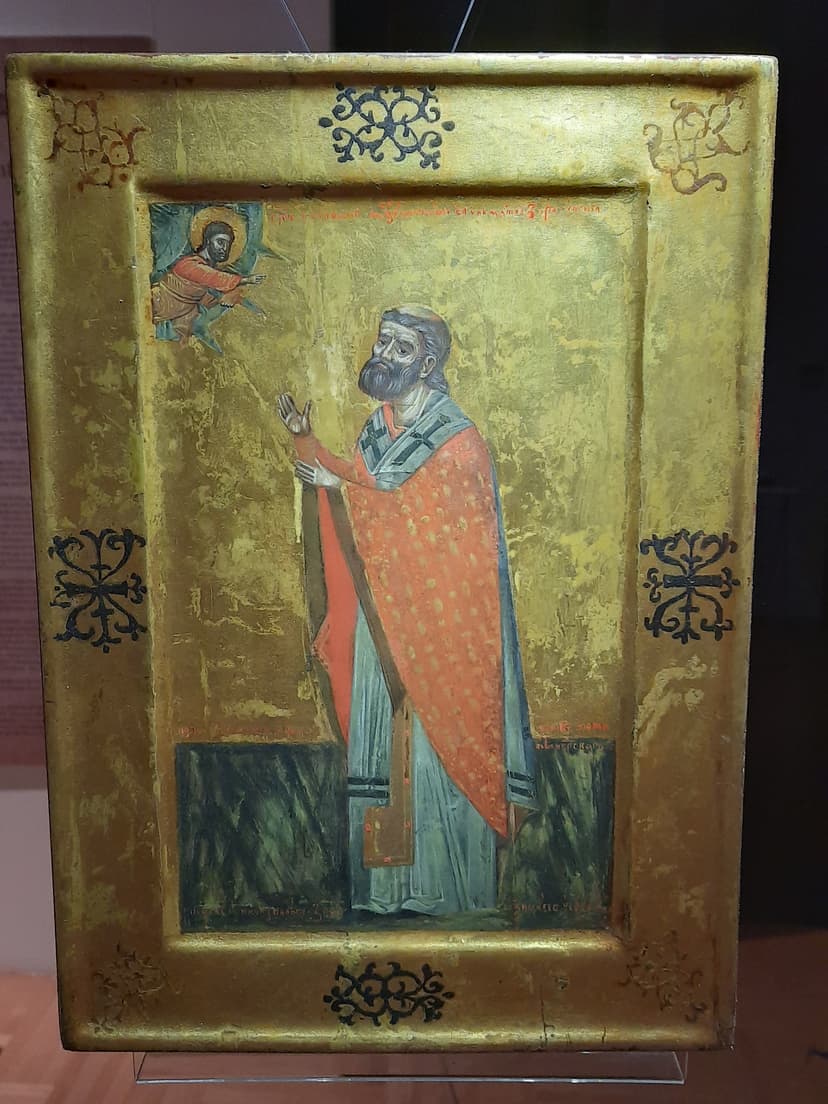
Paisius of Janjevo
Paisius of Janjevo served as the Patriarch of the Serbian Patriarchate of Peć from 1614 to 1647. He is remembered for his significant contributions to Serbian literature and theology, inspiring a revival of hagiographical writing and engaging in theological debates with Roman Catholic popes. Paisius also patronized art and undertook extensive diplomatic travels.
Albert of Vercelli
Albert of Vercelli was a canon lawyer, bishop, and diplomat who served as Patriarch of Jerusalem. He is principally remembered for his role in mediating disputes and for composing the Carmelite Rule of St. Albert, which guided the newly founded Order of the Brothers of the Blessed Virgin Mary of Mount Carmel.
John of Gorze
Saint John of Gorze was a Lorraine-born monk, diplomat, and monastic reformer who lived in the 10th century. He is remembered for his significant role in reforming the Gorze Abbey and for his diplomatic mission to Córdoba. His efforts contributed to the spread of monastic discipline and his encounters in Al-Andalus highlight the complex political and religious interactions of the era.