
John of Gorze
February 27·10th century·France
Saint John of Gorze was a Lorraine-born monk, diplomat, and monastic reformer who lived in the 10th century. He is remembered for his significant role in reforming the Gorze Abbey and for his diplomatic mission to Córdoba. His efforts contributed to the spread of monastic discipline and his encounters in Al-Andalus highlight the complex political and religious interactions of the era.
Key Facts
- ›John of Gorze was born around 900 in Lorraine to wealthy parents and received his education at the Benedictine monastery of Saint-Mihiel.
- ›He became a Benedictine monk at Gorze Abbey in 933 after renouncing his wealth and undertaking a pilgrimage.
- ›John, along with Einald, was instrumental in reforming the Gorze Abbey, increasing its number of monks and spreading the reform movement.
- ›In 953, he served as an ambassador for King Otto I to Caliph Abd-ar-Rahman III of Córdoba, undertaking a journey to Al-Andalus.
- ›He is reputed to have had a photographic memory and developed a sophisticated bookkeeping system.
- ›John became abbot of Gorze Abbey in 960 and died on March 7, 974, of natural causes.
John of Lorraine
About John of Gorze
Saint John of Gorze, also known as John of Lorraine, was a prominent figure in 10th-century Lorraine, celebrated as a monk, diplomat, administrator, and advocate for monastic reform. Born around 900 in Vandières to a well-to-do family, he received a rigorous education at the Benedictine monastery of Saint-Mihiel in Metz.
Life and Ministry
At the age of twenty, John had already established significant connections with regional leaders. In 933, he embraced the Benedictine life at Gorze Abbey, having first renounced his personal wealth and undertaken a pilgrimage to Rome and Monte Cassino. He had sought a monastery with stringent discipline, and together with like-minded individuals, he was tasked by Bishop Adelbero of Metz to reform the then-decayed Gorze Abbey. Einald became the abbot, and John served as his principal assistant, leading to an increase in the monastic community and the spread of the Gorze reform movement to other abbeys.
Diplomatic Mission to Al-Andalus
John of Gorze is perhaps most famously known for his diplomatic mission to the court of Caliph Abd-ar-Rahman III in Córdoba in 953. Sent by King Otto I of the Holy Roman Empire, this three-year mission aimed to counter the raids of Andalusian adventurers. John's journey through various cities in modern-day France and Spain culminated in his arrival in Córdoba, where he engaged with the caliph's representatives, notably the learned Hasdai ibn Shaprut, whom John recognized for his intellectual acumen.
Later Life and Legacy
Following his return from Al-Andalus, John of Gorze became the abbot of Gorze Abbey in 960 upon Einald's death. He continued his work within the monastic community until his death on March 7, 974, from natural causes. John is credited with a remarkable memory, the development of a novel bookkeeping system, and policies for capital investment. His feast day is observed on February 27, and his life was later documented by Jean, Abbot of Saint-Arnoul at Metz.
Source: Wikipedia ↗
Frequently Asked Questions
Who was John of Gorze?
John of Gorze was a 10th-century Lorraine-born monk, diplomat, and monastic reformer. He is recognized for his significant contributions to the reform of Gorze Abbey and his diplomatic mission to the Caliphate of Córdoba.
What was John of Gorze's role in monastic reform?
John of Gorze was instrumental in restoring and reforming the decayed Gorze Abbey starting in 933. Under his and Einald's leadership, the number of monks increased, and the Gorze reform movement spread to other monasteries.
What was the purpose of John of Gorze's mission to Al-Andalus?
In 953, John of Gorze was sent by King Otto I as an ambassador to Caliph Abd-ar-Rahman III of Córdoba. The primary goal of this three-year mission was to halt attacks by Andalusian adventurers from their base at Fraxinet.
What notable individuals did John of Gorze interact with during his mission to Córdoba?
During his mission to Córdoba, John of Gorze interacted with Hasdai ibn Shaprut, the caliph's ambassador. John described Hasdai as a man of remarkable intellect.
When and how did John of Gorze die?
John of Gorze died on March 7, 974, of natural causes. He had become the abbot of Gorze Abbey in 960.
What is John of Gorze remembered for in terms of his memory and administrative skills?
John of Gorze is reputed to have possessed a photographic memory. He also developed a sophisticated bookkeeping system and capital investment policies.
Related Saints
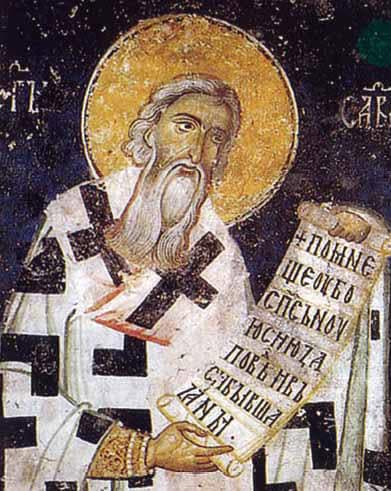
Sava I of Serbia
Saint Sava of Serbia was a Serbian prince and monk who became the first Archbishop of the autocephalous Serbian Church. He is revered as a pivotal figure in Serbian history, known for his work in establishing religious and political independence, writing Serbia's first constitution, and authoring the earliest Serbian biography. Sava is widely considered the greatest figure of Serbian medieval literature and a key architect of Serbian statehood and spiritual identity.
Albert of Vercelli
Albert of Vercelli was a canon lawyer, bishop, and diplomat who served as Patriarch of Jerusalem. He is principally remembered for his role in mediating disputes and for composing the Carmelite Rule of St. Albert, which guided the newly founded Order of the Brothers of the Blessed Virgin Mary of Mount Carmel.
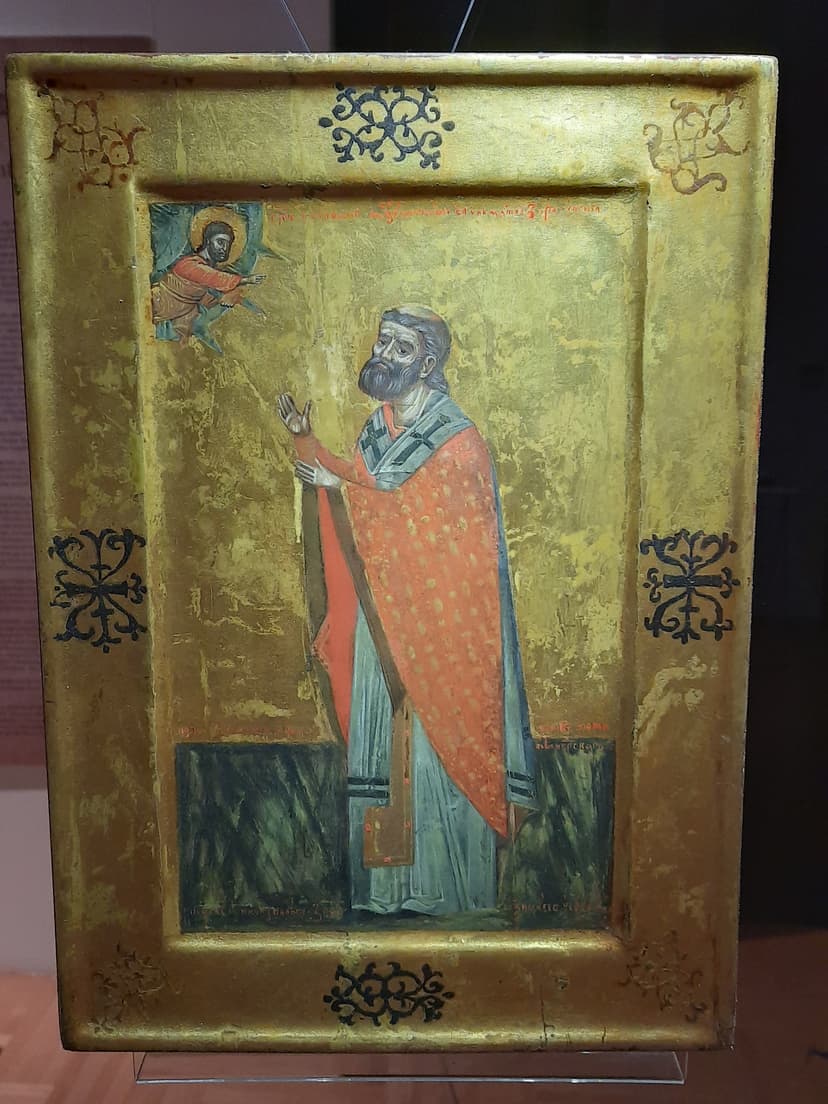
Paisius of Janjevo
Paisius of Janjevo served as the Patriarch of the Serbian Patriarchate of Peć from 1614 to 1647. He is remembered for his significant contributions to Serbian literature and theology, inspiring a revival of hagiographical writing and engaging in theological debates with Roman Catholic popes. Paisius also patronized art and undertook extensive diplomatic travels.