
Dionysius Exiguus
Dionysius Exiguus was a 6th-century monk, born in Scythia Minor and active in Rome, who is primarily remembered as the inventor of the Anno Domini (AD) dating system. He also played a crucial role in canon law by translating important church canons into Latin, which significantly influenced Western church administration. His work on Easter dating was widely adopted, helping to standardize liturgical practices across Christian communities.
Key Facts
- ›Dionysius Exiguus invented the Anno Domini (AD) dating system, used to number years in the Gregorian and Julian calendars.
- ›He translated 401 church canons from Greek into Latin, including decrees from early church councils.
- ›His collections of canon law, known as the Collectiones canonum Dionysianae, held significant authority in the West.
- ›Dionysius created a table of future Easter dates and rules for their calculation in 525 AD.
- ›He was born in Scythia Minor and spent his later life in Rome, where he was considered a learned monk.
- ›His Easter tables were adopted by many churches, including the Church of Rome, and later by the Church of the Franks.
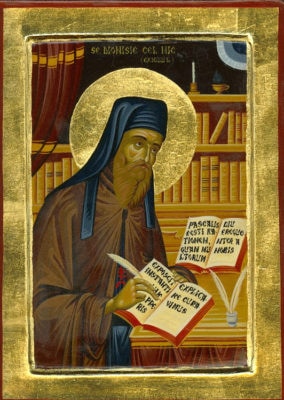
Dionysius the Humble
About Dionysius Exiguus
Dionysius Exiguus (meaning "Dionysius the Humble" in Latin) was a 6th-century monk, theologian, and scholar, born in Scythia Minor and later active in Rome. He is best known for his pivotal role in developing the Anno Domini (AD) system of dating, which has become the standard for numbering years in the Gregorian and Julian calendars worldwide. His work provided a Christian framework for historical reckoning, moving away from the Diocletian era, which commemorated a persecutor of Christians.
Beyond his calendrical innovations, Dionysius made significant contributions to the field of canon law. He translated a substantial collection of 401 church canons from Greek into Latin, including the Apostolic Canons and decrees from ecumenical councils such as Nicaea and Chalcedon. These translations, collectively known as the Collectiones canonum Dionysianae, became authoritative in the Western Church and guided its administration for centuries. He also compiled a collection of papal decretals, further solidifying his impact on ecclesiastical governance.
Dionysius also produced important works on the computation of Easter. In 525 AD, he created a table of 95 future Easter dates and the accompanying rules for their calculation. This Easter table, based on Alexandrian traditions, was adopted by the Church of Rome and subsequently by other Christian communities, helping to standardize the liturgical calendar and ensure the unified observance of the Paschal feast. His efforts in this area were crucial for maintaining liturgical consistency across the diverse Christian world of the late antique and early medieval periods.
Source: Wikipedia ↗
Frequently Asked Questions
Who was Dionysius Exiguus?
Dionysius Exiguus was a 6th-century monk, born in Scythia Minor and active in Rome. He is renowned for creating the Anno Domini (AD) dating system and for his significant contributions to canon law and liturgical computation.
What is Dionysius Exiguus most famous for?
He is most famous for inventing the Anno Domini (AD) system for numbering years. This system is now used globally in both the Gregorian and Julian calendars.
What were Dionysius Exiguus's contributions to canon law?
Dionysius translated 401 church canons from Greek into Latin, including decrees from important councils and papal decretals. These translations, known as the Collectiones canonum Dionysianae, were highly influential in Western church administration.
How did Dionysius Exiguus impact the calculation of Easter?
Dionysius prepared a table of 95 future Easter dates and the rules for their calculation (computus) in 525 AD. His method, based on Alexandrian principles, was adopted by many churches and helped standardize the observance of Easter.
When and where did Dionysius Exiguus live and work?
Dionysius was born around 470 AD in Scythia Minor and lived in Rome from around 500 AD until his death around 544 AD. He was active in the 6th century.
Related Saints
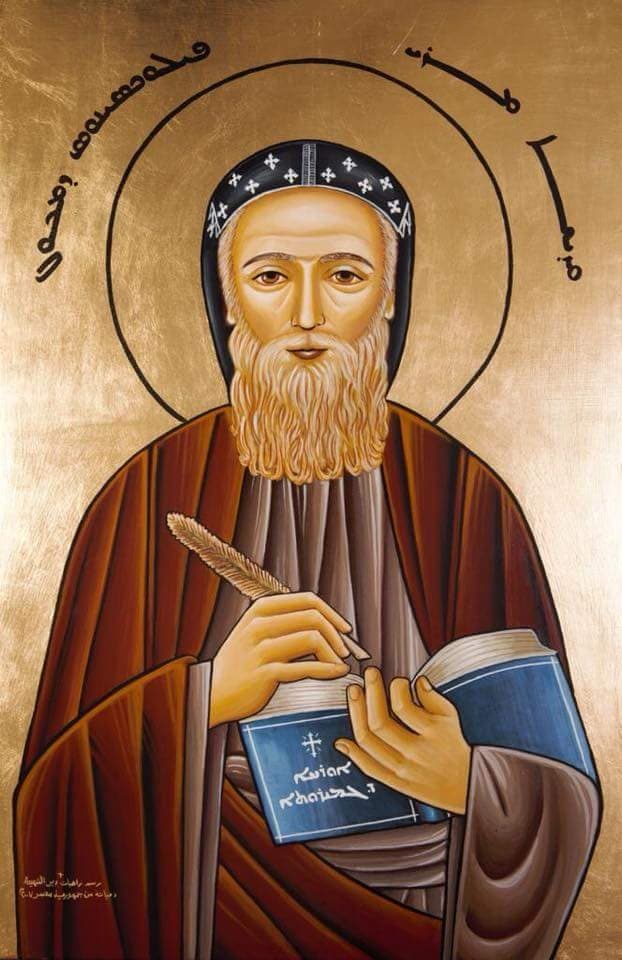
Philoxenus of Mabbug
Philoxenus of Mabbug was a prominent Syriac prose writer and a staunch defender of Miaphysitism during the Byzantine period. He is remembered for his significant scholarly work, particularly the revision of the Syriac Bible known as the Philoxenian version, and his theological writings that emphasized practical Christianity. His life was marked by significant involvement in church politics and ultimately ended in exile and death, leading to his veneration as a martyr.
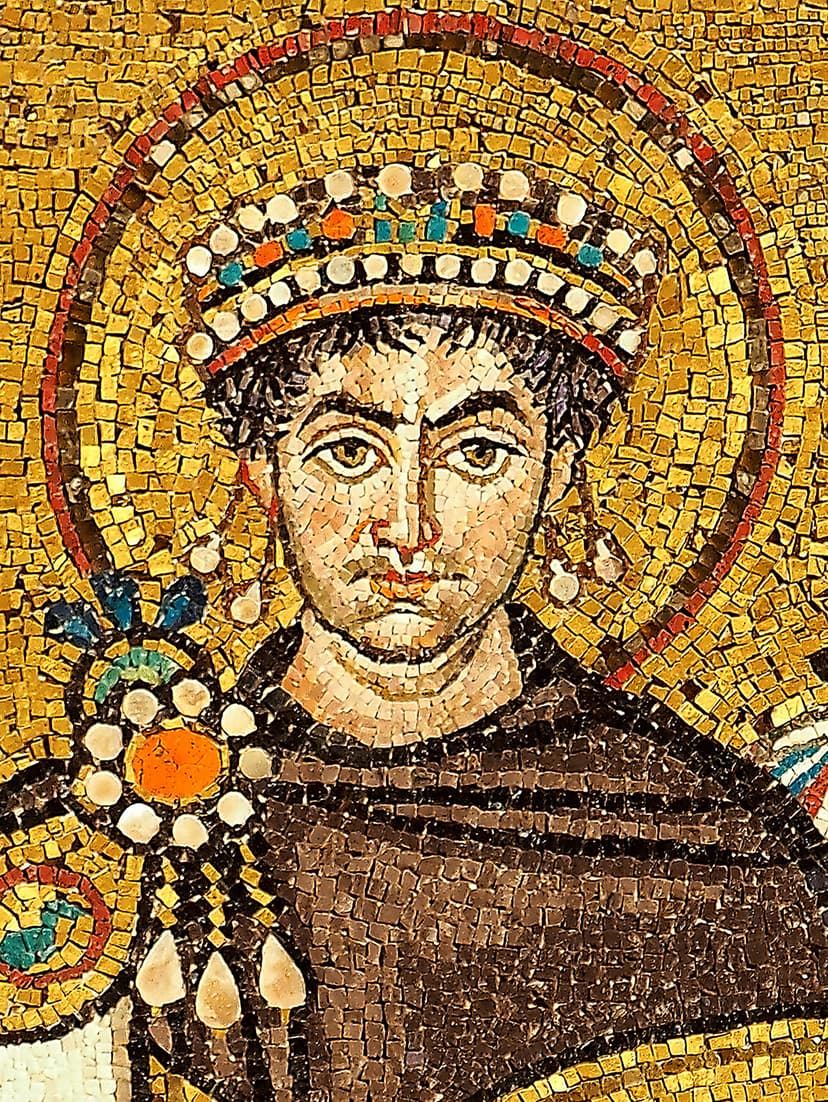
Justinian I
Justinian I was a prominent Roman emperor whose reign (527-565) was marked by an ambitious effort to restore the empire and a significant codification of Roman law. He is chiefly remembered for the Corpus Juris Civilis, the partial reconquest of the Western Roman Empire, and the construction of the Hagia Sophia. His reign significantly influenced the development of civil law and Byzantine culture.
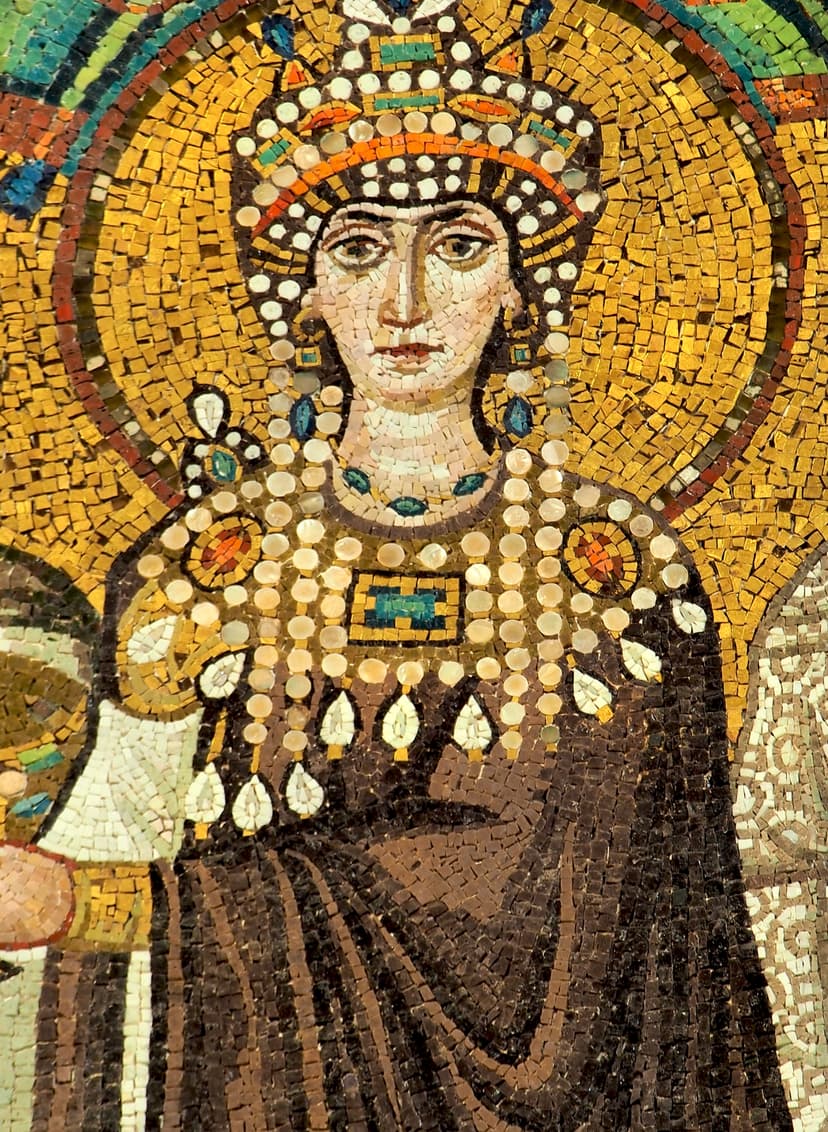
Theodora (wife of Justinian I)
Theodora was the wife of Byzantine Emperor Justinian I and served as Empress from 527 until her death. She is remembered as a formidable political advisor who played a crucial role in quelling the Nika riots and advocating for marginalized groups, particularly women. Revered as a saint in Eastern Orthodox and Oriental Orthodox traditions, she remains an influential figure in history and culture.