
Philoxenus of Mabbug
December 10·6th century·Iraq
Philoxenus of Mabbug was a prominent Syriac prose writer and a staunch defender of Miaphysitism during the Byzantine period. He is remembered for his significant scholarly work, particularly the revision of the Syriac Bible known as the Philoxenian version, and his theological writings that emphasized practical Christianity. His life was marked by significant involvement in church politics and ultimately ended in exile and death, leading to his veneration as a martyr.
Key Facts
- ›Philoxenus was born between 440 and 455 in Beth Garmaï, east of the Tigris.
- ›His birth name was Akhsnoyo, meaning 'stranger', which was later changed to the Greek Philoxenus ('lover of strangers') upon his consecration as bishop.
- ›He was educated at Edessa and later became bishop of Mabbug (Hierapolis) in 485.
- ›He played a role in the deposition of the Chalcedonian Patriarch Flavian II of Antioch and the installation of Severus of Antioch.
- ›Philoxenus revised the Syriac versions of the Bible, producing the Philoxenian version in 508.
- ›He died in exile in Philippopolis in Thrace in 523, martyred by suffocation of smoke.
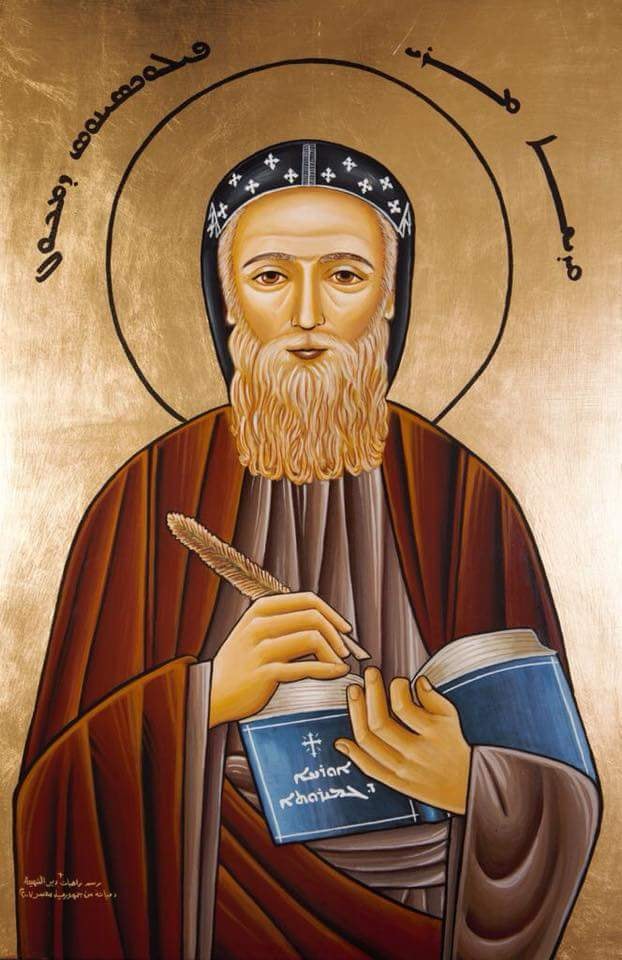
Philoxenus of Hierapolis, Xenaias, Akhsenaya, Xenias
About Philoxenus of Mabbug
Philoxenus of Mabbug, also known as Philoxenus of Hierapolis, Xenaias, and Akhsenaya, was a highly influential Syriac prose writer and a fervent advocate for Miaphysitism during the Byzantine period. Born in the district of Beth Garmaï, east of the Tigris (modern-day Iraq) between 440 and 455, his family originated from Ecbatana in Media. Despite his birth under Persian rule, his public life was predominantly spent within the Byzantine Empire. His birth name was Akhsnoyo, meaning 'stranger,' which was later translated into Greek as Xenias. Upon his consecration as bishop by Patriarch Peter II of Mabbug, his name was changed to Philoxenus, meaning 'lover of strangers.'
Life and Ministry
Educated in Edessa, possibly at the "School of the Persians," Philoxenus later moved to Antioch, where he openly supported Miaphysitism and the Henotikon. His doctrinal stance led to his expulsion by the Chalcedonian patriarch Calandio. In 485, he was consecrated bishop of Mabbug (Hierapolis) by the non-Chalcedonian patriarch Peter the Fuller. During his episcopate, Philoxenus was actively involved in church politics, notably in the deposition of Patriarch Flavian II of Antioch and the installation of Severus of Antioch. He also participated in the Synod of Tyre (513–515), which upheld the Henotikon and condemned Chalcedon.
Scholarly Contributions
Philoxenus is particularly remembered for his scholarly work, especially the revision of the Syriac Bible known as the Philoxenian version, completed in 508 with the assistance of his chorbishop Polycarp. This version became the recognized Bible for Syriac Miaphysites in the 6th century. He also wrote thirteen homilies on the Christian life, which are noted for their excellent style and practical religious zeal, exploring themes such as faith, simplicity, and abstinence. His writings also included controversial works and liturgical pieces, with many letters surviving and some translated into Arabic and Ethiopic.
Legacy and Veneration
The years following the Council of Chalcedon were tumultuous for the Syriac Church, and Philoxenus's advocacy for Miaphysitism placed him at the center of these conflicts. Following the accession of Emperor Justin I in 519, a severe persecution of Miaphysites began. Philoxenus was arrested and exiled, eventually dying in Philippopolis in Thrace in 523, considered martyred by suffocation from smoke. Today, Philoxenus of Mabbug is venerated as a champion of Miaphysitism and a significant figure in the Oriental Orthodox tradition. His feast day is celebrated on December 10 in the Syriac Orthodox Church and Malankara Orthodox Syrian Church, and his relics are preserved in Midyat, Turkey.
Source: Wikipedia ↗
Frequently Asked Questions
Who was Philoxenus of Mabbug?
Philoxenus of Mabbug was a significant Syriac prose writer and a staunch supporter of Miaphysitism during the Byzantine era. He is known for his theological writings, his role in church politics, and his revision of the Syriac Bible.
What is the Philoxenian version of the Bible?
The Philoxenian version is a revision of the Syriac Bible that Philoxenus of Mabbug produced in 508 with the help of his chorbishop Polycarp. It served as a received Bible for Syriac Miaphysites during the 6th century.
Why is Philoxenus considered a martyr?
Philoxenus of Mabbug died in exile in 523 after being arrested and banished due to the crackdown on Miaphysites following Emperor Justin I's ascent. Historical accounts state he was martyred by suffocation of smoke.
What were Philoxenus's main theological beliefs?
Philoxenus was a vehement champion of Miaphysitism, a theological stance that emphasizes the single, divine-yet-human nature of Christ. He openly supported this doctrine and opposed the decrees of the Council of Chalcedon.
Where are Philoxenus's relics kept?
The relics of Philoxenus of Mabbug are interred in Midyat, located in the Syriac Orthodox cultural region of Tur Abdin in modern-day Turkey.
Related Saints
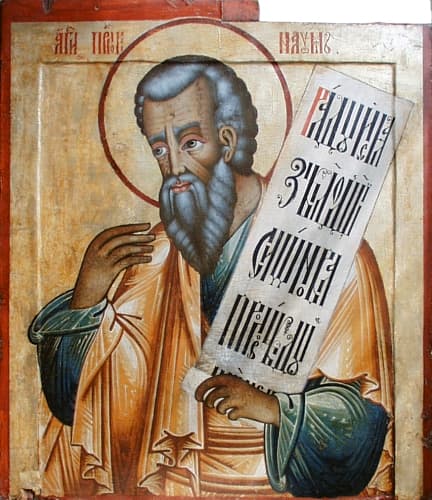
Nahum
Nahum was a minor prophet whose prophecy is recorded in the Tanakh, or Hebrew Bible. He is chiefly remembered for his vivid poetic prophecy concerning the end of the Assyrian Empire and its capital city, Nineveh. His book is placed chronologically between Micah and Habakkuk.
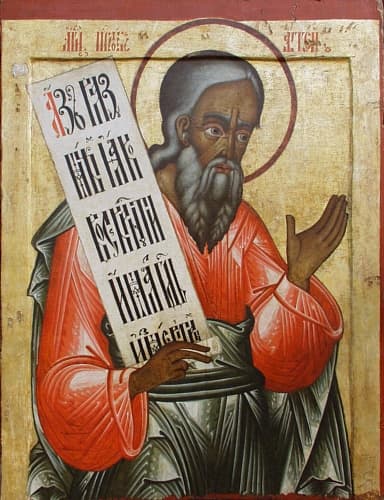
Haggai
Haggai was a Hebrew prophet active in the 6th century BCE, known for his role in inspiring the rebuilding of the Second Temple in Jerusalem. He is one of the twelve minor prophets in the Hebrew Bible and is credited with delivering four prophecies in 520 BCE that urged the Jewish people to resume construction of the Temple after it had been halted. Haggai's message emphasized divine favor and prosperity contingent on the completion of this sacred structure.
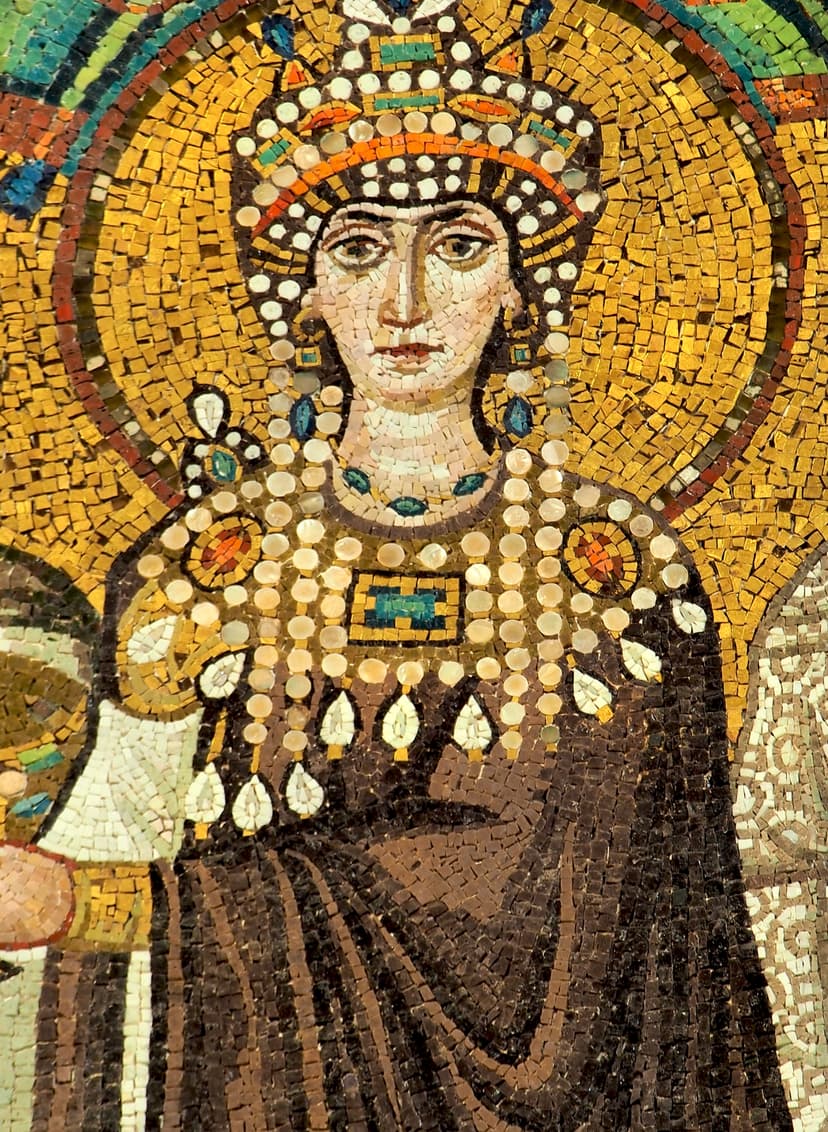
Theodora (wife of Justinian I)
Theodora was the wife of Byzantine Emperor Justinian I and served as Empress from 527 until her death. She is remembered as a formidable political advisor who played a crucial role in quelling the Nika riots and advocating for marginalized groups, particularly women. Revered as a saint in Eastern Orthodox and Oriental Orthodox traditions, she remains an influential figure in history and culture.