
Liberius of Rome
August 27·4th century·Italy
Pope Liberius served as the bishop of Rome from 352 to 366 CE. He is notable for being the earliest pope not venerated as a saint in the Catholic Church, though he is recognized as a saint in the Greek Menology. Liberius's pontificate was marked by significant theological disputes, particularly concerning Arianism and the condemnation of Athanasius of Alexandria.
Key Facts
- ›Liberius was bishop of Rome from May 17, 352, until his death on September 24, 366.
- ›He is the earliest pope not venerated as a saint in the Catholic Church.
- ›Liberius was exiled by Emperor Constantius II for refusing to condemn Athanasius of Alexandria.
- ›Upon his return, he faced criticism and was accused by some of signing an Arian creed.
- ›He is commemorated as a saint on August 27 in the Eastern Orthodox Church.
- ›The Basilica DI Santa Maria Maggiore in Rome is sometimes called the Liberian Basilica.
About Liberius of Rome
Pope Liberius
Pope Liberius served as the bishop of Rome from May 17, 352, until his death on September 24, 366. He is historically significant as the earliest pope not to be venerated as a saint within the Catholic Church, a distinction shared only with Anastasius II among the first 500 pontiffs. Despite this, Liberius is recognized as a saint in the Eastern Orthodox Church, where his feast day is observed on August 27.
Pontificate and Theological Disputes
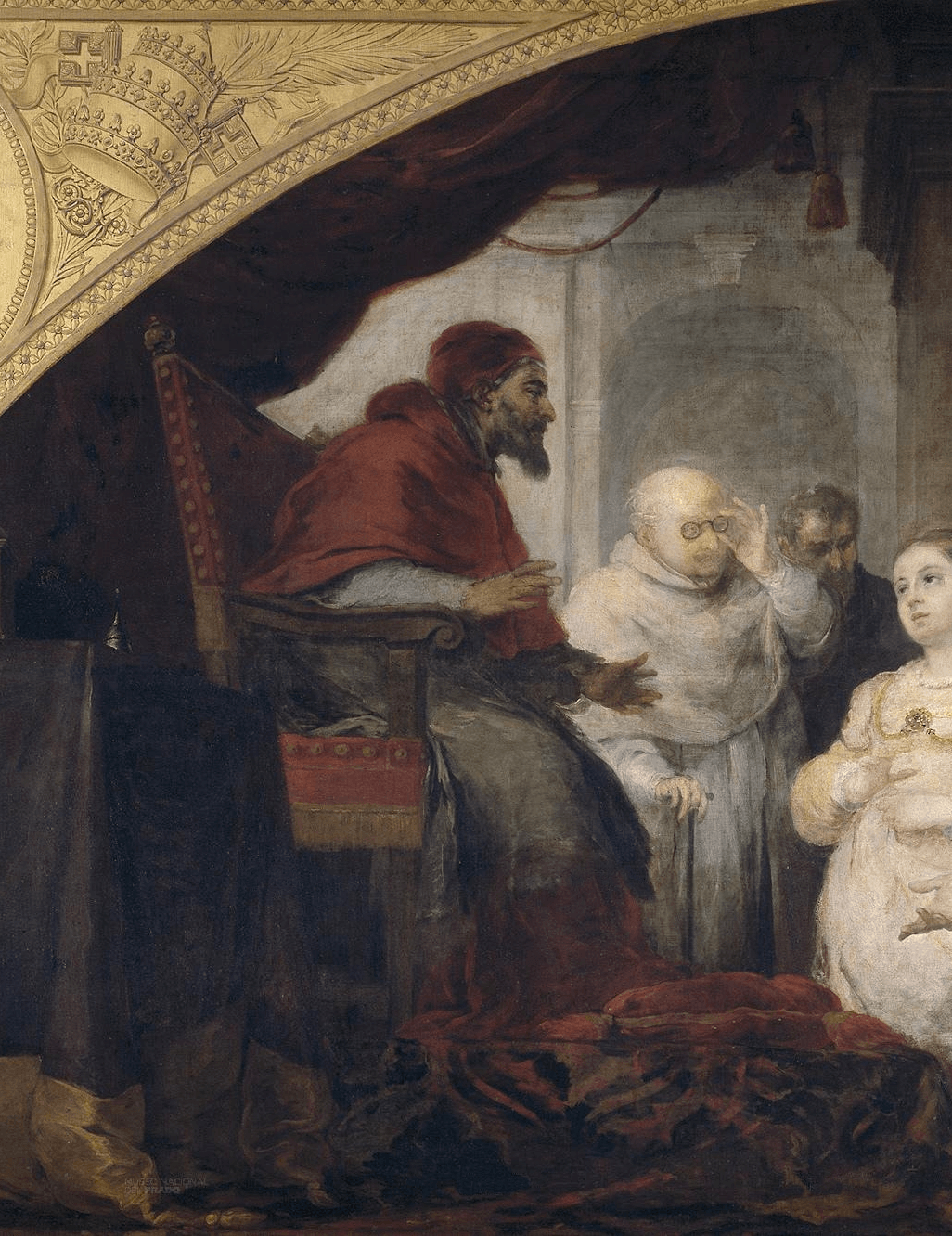
Liberius's tenure as pope was marked by intense theological conflict, particularly concerning the Arian controversy. Early in his pontificate, he wrote to Emperor Constantius II requesting a council to address the affairs of Athanasius of Alexandria. However, the emperor, who was sympathetic to Arianism, eventually exiled Liberius to Beroea for over two years after Liberius refused to condemn Athanasius. Upon his return, Liberius faced criticism, with some writers alleging he had signed an Arian creed at Sirmium, though the authenticity of these claims and his subsequent repentance are subjects of historical debate.
Exile and Return
The circumstances of Liberius's exile and return are complex. After his period of banishment, Emperor Constantius II recalled him under significant pressure from the Roman populace, who rejected the emperor's puppet candidate, Felix II. Although Liberius was eventually sent back to Rome, the emperor initially intended for him to govern jointly with Felix. However, upon Liberius's arrival, Felix was expelled by the Roman people, and Liberius resumed his sole leadership of the see.
Legacy
While not formally recognized as a saint in the Catholic Church, Liberius's historical role and the events of his pontificate have been noted by later popes. Pope Pius IX defended him against accusations of condemning Athanasius, and Pope Benedict XV acknowledged his courageous exile in defense of the orthodox faith. The Basilica di Santa Maria Maggiore in Rome is sometimes referred to as the Liberian Basilica, indicating a lasting, albeit sometimes indirect, connection to his memory and significance in church history.
Source: Wikipedia ↗
Frequently Asked Questions
Why is Pope Liberius not considered a saint in the Catholic Church?
Liberius is the earliest pope not to be venerated as a saint in the Catholic Church. Along with Anastasius II, he is one of only two popes omitted from Catholic sainthood within the first 500 years of church history. The reasons for this omission are not explicitly detailed in historical accounts.
Is Pope Liberius recognized as a saint anywhere?
Yes, Liberius is mentioned in the Greek Menology, the Eastern equivalent of Western martyrologies, and is considered a saint in the Eastern Orthodox Church. His feast is celebrated on August 27 in this tradition.
What were the main challenges during Pope Liberius's pontificate?
Liberius's pontificate was largely dominated by theological disputes, particularly the conflict surrounding Arianism. He was pressured by Emperor Constantius II to condemn Athanasius of Alexandria and was even sent into exile for his refusal.
What is the significance of the Basilica di Santa Maria Maggiore in relation to Liberius?
The Basilica di Santa Maria Maggiore in Rome is sometimes referred to as the Liberian Basilica. This association suggests a historical connection or patronage, though the specific nature of this link is not fully elaborated upon in historical records.
Did Pope Liberius ever compromise his beliefs?
There are conflicting accounts regarding Liberius's actions during his exile. Some sources claim he signed the Second Creed of Sirmium under duress, while others dispute this, and his later actions suggest a retraction of any potential compromise.
Related Saints
Paphnutius the Ascetic
Paphnutius the Ascetic was an Egyptian anchorite and disciple of Saint Macarius the Great active in the fourth century. He is primarily remembered for his written accounts detailing the lives of desert hermits, most notably Saint Onuphrius. His life and teachings were also influential, leading to his inclusion in later literary works.
Pope Eusebius
Pope Eusebius was the bishop of Rome from April 18, 309, to August 17, 310. He is remembered for his stance on readmitting apostates to church communion after penance, a position that led to conflict and his subsequent exile. His firm defense of ecclesiastical discipline was later recognized by Pope Damasus I.
Hormisdas of Rome
Pope Hormisdas was the bishop of Rome from 514 to 523, during a period marked by the Acacian schism. His papacy is chiefly remembered for his successful efforts to resolve this schism, leading to the reunion of the Churches of Constantinople and Rome.