
Hormisdas of Rome
August 6·6th century·Italy
Pope Hormisdas was the bishop of Rome from 514 to 523, during a period marked by the Acacian schism. His papacy is chiefly remembered for his successful efforts to resolve this schism, leading to the reunion of the Churches of Constantinople and Rome.
Key Facts
- ›Hormisdas was born in Frusino in the late Western Roman Empire.
- ›Before becoming pope, he was married and his son, Silverius, later became pope.
- ›His papacy was dominated by the Acacian schism, which had begun in 484.
- ›He sent multiple embassies to Constantinople to negotiate the end of the schism.
- ›On March 28, 519, the reunion between Constantinople and Rome was ratified.
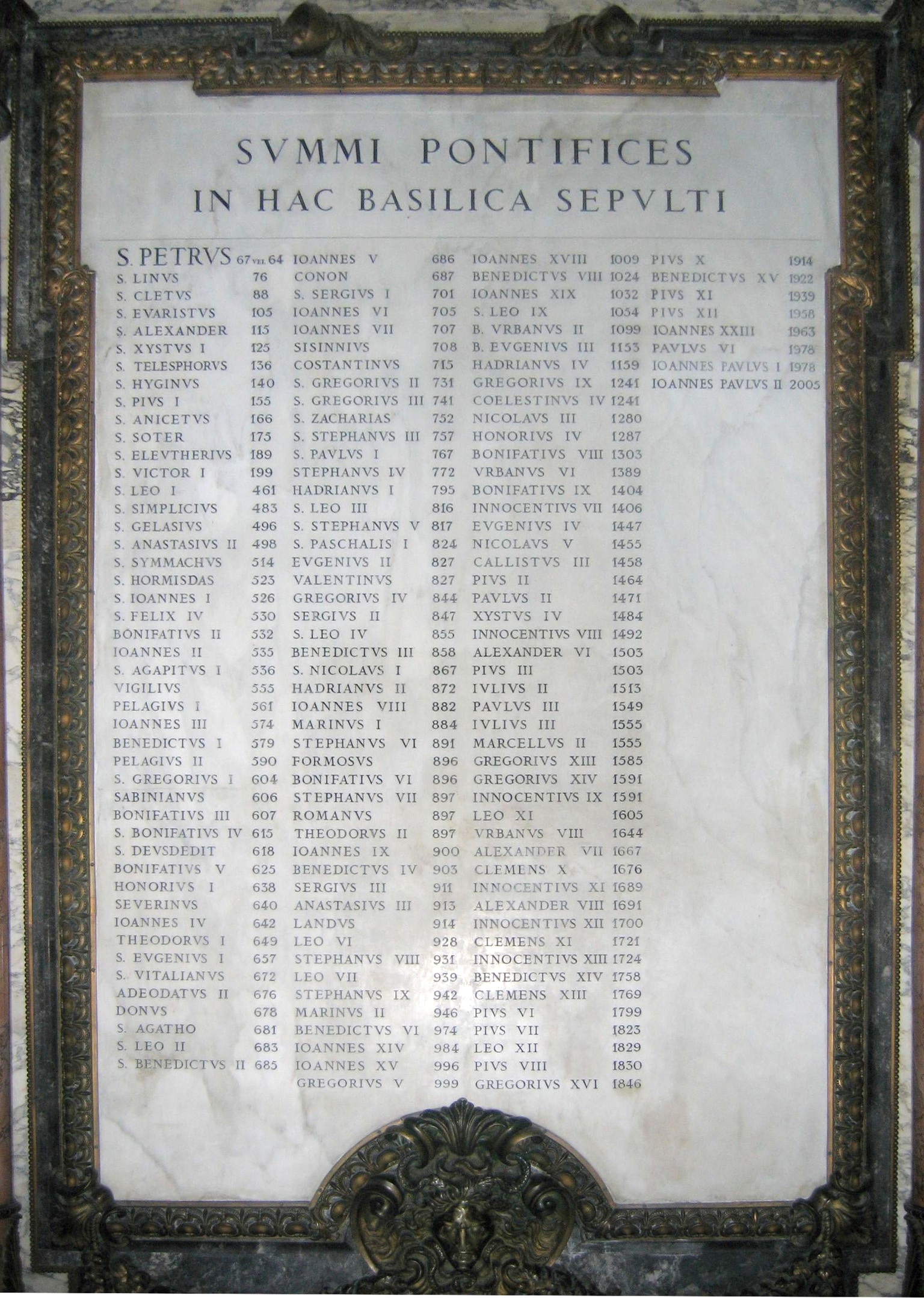
- ›Hormisdas died on August 6, 523, and was buried in Old St. Peter's Basilica.
About Hormisdas of Rome
Pope Hormisdas
Hormisdas was the bishop of Rome from July 20, 514, until his death on August 6, 523. His papacy was largely defined by his successful efforts to end the Acacian schism, a significant division that had estranged the Churches of Rome and Constantinople since 484.
Life and Career
Hormisdas was born around 450 in Frusino, within the declining Western Roman Empire. His birth name is not recorded, but his Persian name, likely given in honor of an exiled Persian noble, suggests a connection to Eastern influences. His father and son, Silverius, who also became pope, indicate he had a "straightforward Italian pedigree." Before his election as pope, Hormisdas was married and served as a deacon. He was a prominent clerical supporter of Pope Symmachus during the Laurentian schism and acted as a notary at a synod in 502.
Pontificate and the Acacian Schism
Upon becoming pope, Hormisdas worked to reconcile remaining adherents of the Laurentian schism within Rome. However, the primary focus of his pontificate was the resolution of the Acacian schism. This schism originated from Patriarch Acacius of Constantinople's attempts to placate non-Chalcedonians through Emperor Zeno's "Henoticon." The emperor Anastasius I initially took steps to resolve the schism, partly due to pressure from Vitalian, a military commander who revolted against imperial policy.
Hormisdas engaged in diplomatic exchanges, sending embassies to Constantinople to negotiate terms for reunion. His demands included the public acceptance of the Council of Chalcedon and the letters of Pope Leo by the Eastern bishops, as well as the condemnation of various figures associated with heretical teachings. Despite initial difficulties and an attempt by Anastasius to bribe the papal legates, negotiations continued. Following Anastasius's death and the accession of the Catholic Justin I, imperial policy shifted, leading to the granting of Hormisdas's demands.
Reunion and Legacy
The reunion between Constantinople and Rome was solemnly ratified on March 28, 519, in the cathedral of Constantinople. This event marked a significant achievement in restoring ecclesiastical unity. Hormisdas died in 523 and was buried in Old St. Peter's Basilica, though his tomb was later destroyed during the construction of the new basilica.
Source: Wikipedia ↗
Frequently Asked Questions
When was Pope Hormisdas the bishop of Rome?
Pope Hormisdas served as the bishop of Rome from July 20, 514, until his death on August 6, 523.
What was the Acacian schism?
The Acacian schism was a division within the Church that began in 484, stemming from Patriarch Acacius of Constantinople's efforts to appease non-Chalcedonians. This led to a breakdown in communion between Rome and Constantinople.
How did Pope Hormisdas resolve the Acacian schism?
Hormisdas engaged in extensive negotiations and sent several embassies to Constantinople. His efforts culminated in the successful ratification of the reunion between the Churches of Rome and Constantinople on March 28, 519.
Was Pope Hormisdas married?
Yes, historical accounts indicate that Hormisdas was married before becoming pope. His son, Silverius, later also became pope.
Where was Pope Hormisdas born?
Hormisdas was born in Frusino, a location in what was then the Western Roman Empire.
Related Saints
Pope Hormisdas
Pope Hormisdas was the bishop of Rome who played a pivotal role in resolving the Acacian schism, a major division between the Eastern and Western Churches. His successful efforts led to the reunion of Constantinople and Rome in 519, a significant achievement during his papacy.
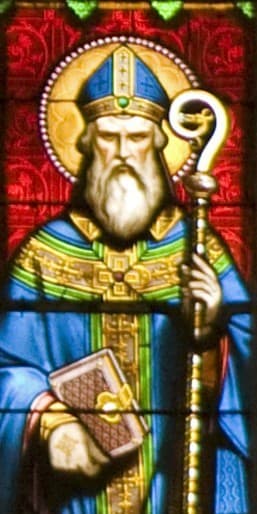
Agapetus I
Pope Agapetus I was the bishop of Rome from May 535 until his death in April 536. He is remembered for his diplomatic mission to Constantinople, where he unsuccessfully attempted to prevent a Byzantine invasion of the Ostrogoth kingdom and deposed the patriarch Anthimus I. Agapetus I was canonized in both the Catholic and Orthodox traditions.
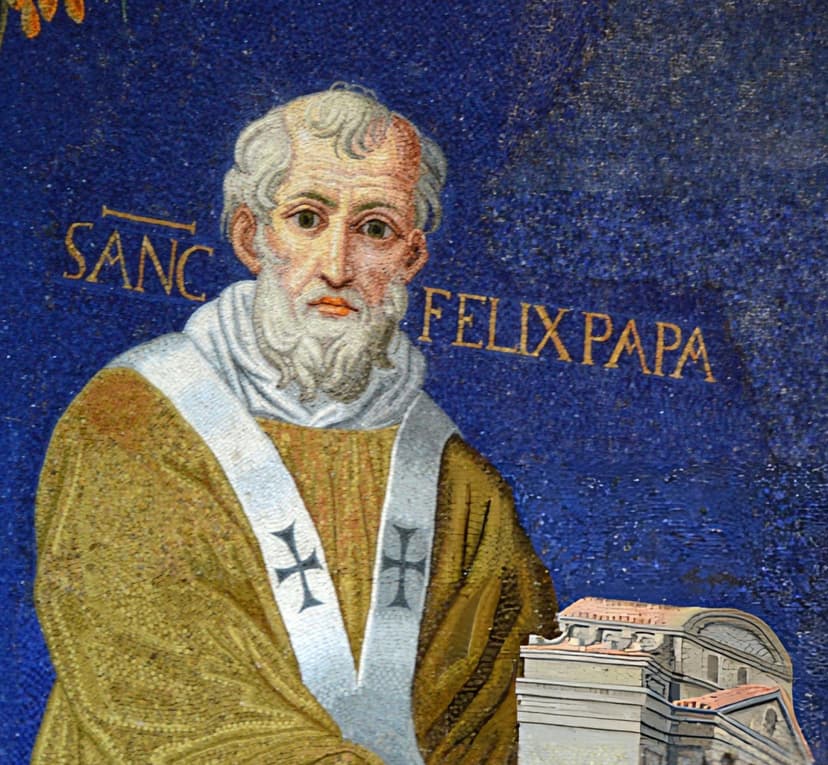
Felix IV
Felix IV served as the bishop of Rome from 526 to 530. Chosen by the Ostrogoth King Theodoric the Great, his pontificate was marked by the construction of the Basilica of Santi Cosma e Damiano and the establishment of an imperial edict concerning clergy trials. He is also remembered for his theological defense against Semi-Pelagianism.