
Felix IV
January 30·6th century·Italy
Felix IV served as the bishop of Rome from 526 to 530. Chosen by the Ostrogoth King Theodoric the Great, his pontificate was marked by the construction of the Basilica of Santi Cosma e Damiano and the establishment of an imperial edict concerning clergy trials. He is also remembered for his theological defense against Semi-Pelagianism.
Key Facts
- ›Felix IV was elected bishop of Rome at the request of Ostrogoth King Theodoric the Great.
- ›He commissioned the construction of the Basilica of Santi Cosma e Damiano in Rome.
- ›An imperial edict during his reign decreed that clergy trials were to be handled by the pope or an ecclesiastical court.
- ›Felix IV formally approved the teachings of the Council of Orange concerning grace, free will, and original sin.
- ›He attempted to designate his successor, Boniface II, which was opposed by the Senate.
- ›His feast day is celebrated on January 30.
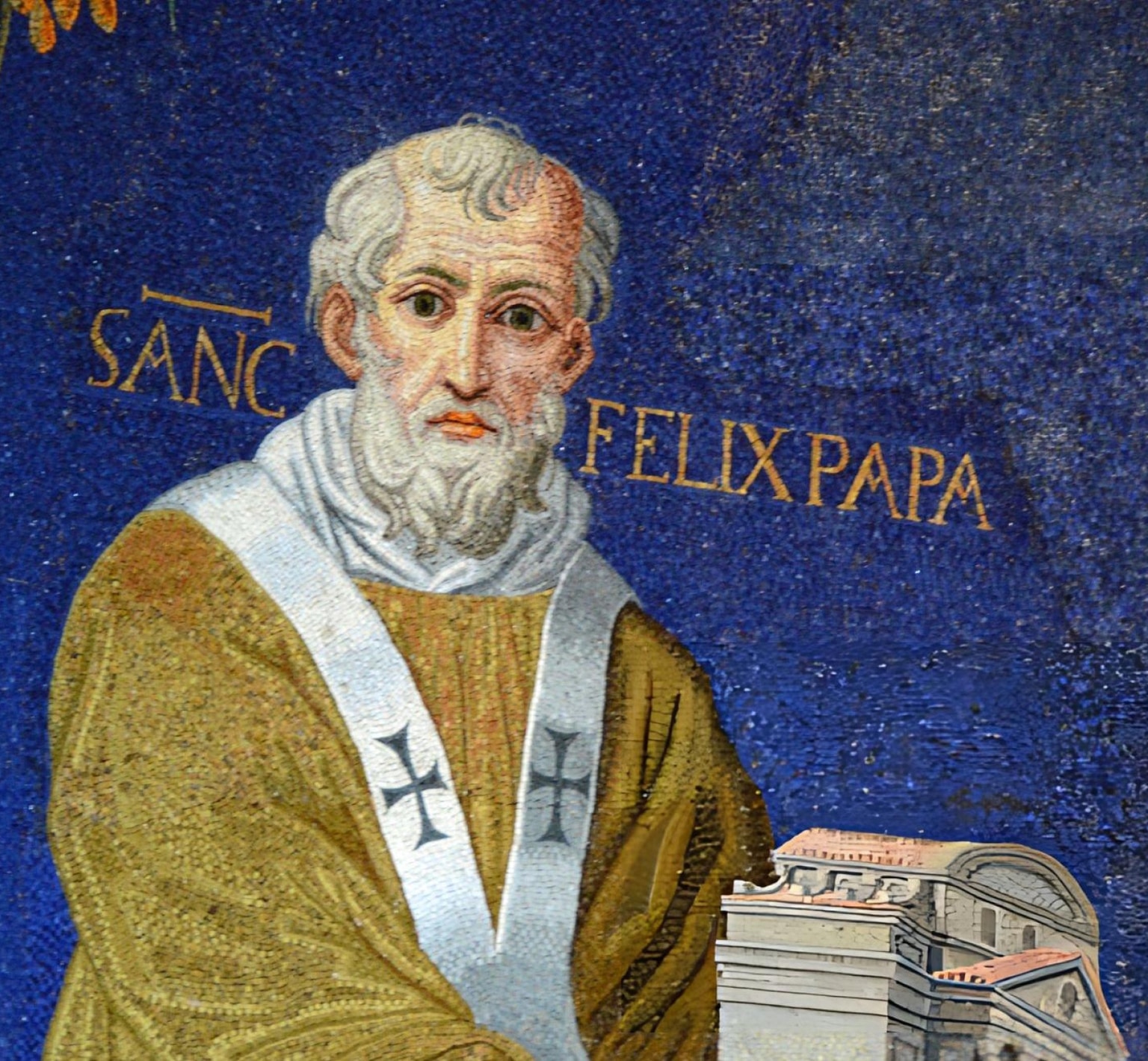
About Felix IV
Pope Felix IV
Pope Felix IV (born 489/490 – died 22 September 530) was the bishop of Rome, serving from 12 July 526 until his death. He was the chosen candidate of Ostrogoth King Theodoric the Great, who had imprisoned Felix's predecessor, John I.
Rise to Pontificate
Felix hailed from Samnium and was the son of Castorius. His election occurred after a two-month vacancy following the death of John I, who had died in prison in Ravenna after undertaking a diplomatic mission to Constantinople on behalf of King Theodoric. The papal electors acceded to the king's demands, selecting Felix as pope. Felix's favorable standing with the king enabled him to advocate for increased benefits for the church. However, Theodoric died later in the same year, allowing Felix to pursue his own policies with less external pressure.
Pontificate and Contributions
During his four-year tenure, Felix IV made significant contributions to the church. He commissioned the construction of the Basilica of Santi Cosma e Damiano in the Imperial forums, on land gifted by Queen Amalasuntha. He also consecrated no fewer than thirty-nine bishops.
A notable achievement of his pontificate was the passage of an imperial edict that stipulated cases against clergy should be handled by the pope or a designated ecclesiastical court. Any violation of this ruling would result in a fine, the funds from which were allocated to the poor.
Felix IV also played a role in theological discourse by defining church teaching on grace and free will. This was in response to a request from Faustus of Riez, in Gaul, concerning the opposition to Semi-Pelagianism. Consequently, Felix approved the teachings of the Council of Orange in 529, which further elaborated on the concept of original sin.
In an attempt to secure continuity, Felix IV tried to designate his successor, Boniface II. This action was met with opposition from the Senate, which passed a decree forbidding the discussion or acceptance of a pope's successor during his lifetime. A majority of the clergy responded by nominating Dioscorus as Pope, with only a minority supporting Boniface.
Felix IV's feast day is celebrated on January 30. He remains the most recent pope to bear the pontifical name "Felix".
Source: Wikipedia ↗
Frequently Asked Questions
Who chose Pope Felix IV?
Pope Felix IV was chosen as the candidate by Ostrogoth King Theodoric the Great. Theodoric had previously imprisoned Felix's predecessor, John I.
What significant building was constructed during Felix IV's papacy?
During Felix IV's pontificate, he built the Basilica of Santi Cosma e Damiano in the Imperial forums. This land was donated by Queen Amalasuntha.
What was the imperial edict passed during Felix IV's reign?
An imperial edict was passed during Felix IV's pontificate that granted clergy cases to be dealt with by the pope or a designated ecclesiastical court. Violators of this ruling would face a fine, with proceeds going to the poor.
What theological issues did Felix IV address?
Felix IV defined church teaching on grace and free will in response to a request from Faustus of Riez. He opposed Semi-Pelagianism and approved the teachings of the Council of Orange in 529, which also explained original sin.
Did Felix IV have a successor while he was alive?
Felix IV attempted to designate his own successor, Boniface II. However, the Senate opposed the idea of discussing a pope's successor during his lifetime, and most clergy nominated Dioscorus.
Related Saints
Pope Felix IV
Pope Felix IV was the bishop of Rome from 526 to 530, chosen by the Ostrogoth King Theodoric the Great. He is remembered for building the Santi Cosma e Damiano and for defining church teaching on grace and free will against Semi-Pelagianism.
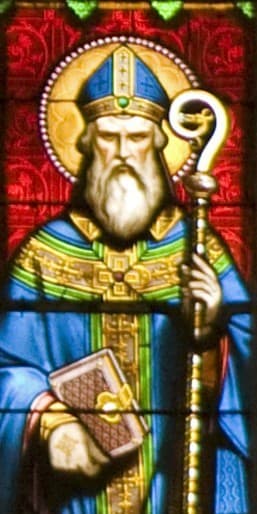
Agapetus I
Pope Agapetus I was the bishop of Rome from May 535 until his death in April 536. He is remembered for his diplomatic mission to Constantinople, where he unsuccessfully attempted to prevent a Byzantine invasion of the Ostrogoth kingdom and deposed the patriarch Anthimus I. Agapetus I was canonized in both the Catholic and Orthodox traditions.
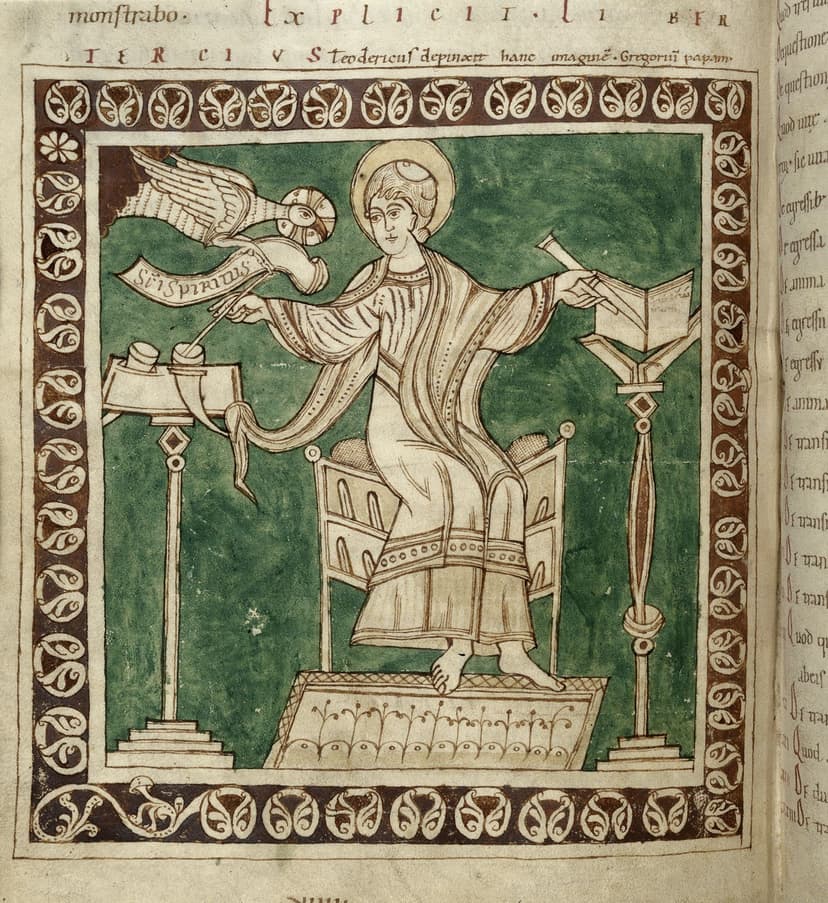
Gregory I of Rome
Gregory I of Rome, also known as Saint Gregory the Great, was the 64th Bishop of Rome from 590 until his death in 604. A former prefect of Rome and a senator's son, he established monasteries and significantly improved the welfare of the people of Rome through his administration. He is chiefly remembered for his extensive writings, his efforts in revising Roman worship, his missionary work, and his role as one of the four Great Latin Church Fathers.