
Agapetus I
April 22·6th century·Italy
Pope Agapetus I was the bishop of Rome from May 535 until his death in April 536. He is remembered for his diplomatic mission to Constantinople, where he unsuccessfully attempted to prevent a Byzantine invasion of the Ostrogoth kingdom and deposed the patriarch Anthimus I. Agapetus I was canonized in both the Catholic and Orthodox traditions.
Key Facts
- ›He was the bishop of Rome from may 13, 535, to April 22, 536.
- ›His father, Gordianus, was a Roman priest who was killed during riots.
- ›He traveled to Constantinople in 536 at the request of King Theodahad of the Ostrogoths.
- ›Agapetus unsuccessfully tried to persuade Emperor Justinian I to halt a Byzantine invasion of the Ostrogoth kingdom.
- ›While in Constantinople, he deposed Patriarch Anthimus I and consecrated Menas of Constantinople as his successor.
- ›Four of his letters from this period have survived.
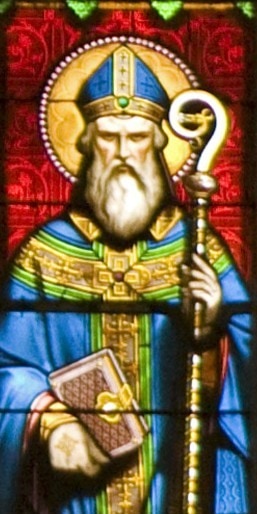
About Agapetus I
Pope Agapetus I
Pope Agapetus I (born 489/490, died April 22, 536) served as the bishop of Rome from May 13, 535, until his death. His father, Gordianus, was a Roman priest, and he may have had familial ties to Popes Felix III and Gregory I. Agapetus I is recognized for his significant diplomatic and ecclesiastical interventions during a turbulent period in the 6th century.
Life and Pontificate
Born in Rome, Agapetus I was ordained as a deacon perhaps as early as 502. He was elevated to the papacy from the position of archdeacon. His first notable act as pope was to burn the anathema pronounced by his predecessor, Boniface II, against his deceased rival Dioscurus, which had been preserved in the Roman archives. He also assisted Cassiodorus in the founding of the monastery at Vivarium and confirmed decrees from the Council of Carthage concerning converts from Arianism.
In 536, Agapetus I undertook a crucial diplomatic mission to Constantinople at the behest of King Theodahad of the Ostrogoths. His objective was to persuade Emperor Justinian I to call off a planned Byzantine invasion of the Ostrogoth kingdom. Despite his efforts, the invasion proceeded. While in the Eastern capital, Agapetus I addressed a significant religious matter by deposing Patriarch Anthimus I, who had controversially occupied the patriarchal see. Agapetus I personally consecrated Anthimus' successor, Menas of Constantinople, an unprecedented event in church history. Four of Agapetus I's letters from this period survive, detailing his correspondence with Justinian I, the bishops of Africa, and the Bishop of Carthage.
Death and Veneration
Agapetus I died in Constantinople on April 22, 536, after a pontificate of approximately ten months. His remains were returned to Rome and interred in St. Peter's Basilica. He has been canonized in both the Catholic and Orthodox traditions, with his feast day celebrated on April 22. Some Catholic sources also list his feast day as September 20.
Source: Wikipedia ↗
Frequently Asked Questions
When was Pope Agapetus I the bishop of Rome?
Pope Agapetus I served as the bishop of Rome from May 13, 535, until his death on April 22, 536. His pontificate lasted just over ten months.
What was Pope Agapetus I's role in the Ostrogoth-Byzantine conflict?
King Theodahad of the Ostrogoths sent Agapetus I on an embassy to Constantinople to appease Emperor Justinian I and prevent a Byzantine invasion of Italy. Although Agapetus was unsuccessful in halting the invasion, he undertook this diplomatic mission at great personal cost, pledging the Church of Rome's sacred vessels to fund the journey.
What religious actions did Agapetus I take in Constantinople?
While in Constantinople, Agapetus I deposed Patriarch Anthimus I, who had occupied the Byzantine patriarchal see against protests from the orthodox. Agapetus then personally consecrated Anthimus' successor, Menas of Constantinople, marking a significant event in church history.
What surviving writings do we have from Pope Agapetus I?
Four letters attributed to Pope Agapetus I have survived from his time in Constantinople. These include two letters addressed to Emperor Justinian I, one to the bishops of Africa concerning Arian orders, and one to Reparatus, the Bishop of Carthage.
How is Pope Agapetus I venerated?
Pope Agapetus I has been canonized in both the Catholic and Orthodox traditions. His feast day is commemorated on April 22, the day of his death, in the Roman Martyrology and the Eastern churches.
Related Saints
Pope Agapetus I
Pope Agapetus I was the bishop of Rome who served for a brief ten months in 535-536. He is remembered for his diplomatic mission to Constantinople, where he attempted to avert a Byzantine invasion of the Ostrogoth kingdom and deposed the patriarch Anthimus I. Canonized by both Catholic and Orthodox traditions, his feast day is celebrated on April 22.
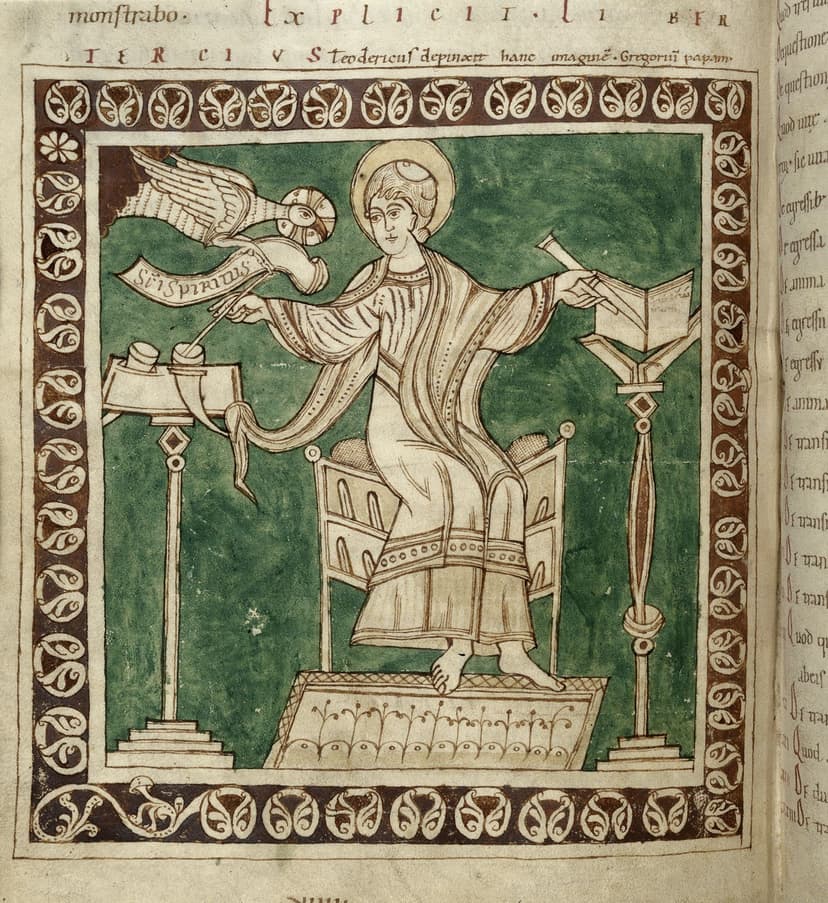
Gregory I of Rome
Gregory I of Rome, also known as Saint Gregory the Great, was the 64th Bishop of Rome from 590 until his death in 604. A former prefect of Rome and a senator's son, he established monasteries and significantly improved the welfare of the people of Rome through his administration. He is chiefly remembered for his extensive writings, his efforts in revising Roman worship, his missionary work, and his role as one of the four Great Latin Church Fathers.
Pope Gregory I
Pope Gregory I, also known as Saint Gregory the Great, was the 64th Bishop of Rome who served from 590 to 604. He is remembered for his significant administrative reforms, his role in re-energizing missionary work, and his prolific writings that shaped Christian theology and worship.