
Paisius Velichkovsky
Paisius Velichkovsky was an Eastern Orthodox monk and theologian instrumental in revitalizing hesychastic monasticism in the Slavic world. He is remembered for spreading the concept of the spiritual elder (staretsdom) and for his work in translating and disseminating patristic texts, most notably the Philokalia. His efforts significantly influenced the spiritual renewal of Orthodoxy in the 18th century and beyond.
Key Facts
- ›Born Pyotr Velichkovsky on December 21, 1722, in Poltava, Ukraine.
- ›Studied at the Kiev Theological Academy and became a monk named Platon.
- ›Moved to Mount Athos in 1746, where he was tonsured with the name Paisius and became a leader of a Hesychastic skete.
- ›Translated numerous Greek patristic writings into Church Slavonic, including the Philokalia.
- ›Relocated to Moldavia in 1764 with 64 disciples, eventually settling at Neamț Monastery.
- ›Died on November 15, 1794, at the age of seventy-two.
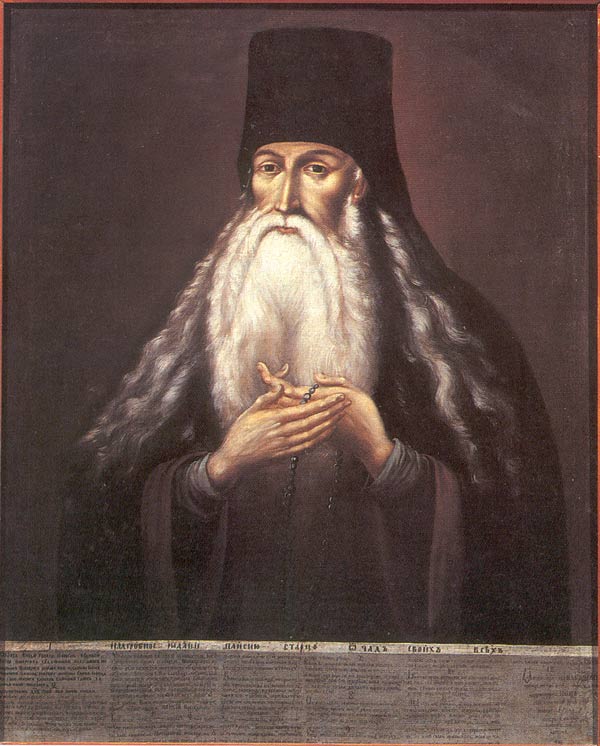
Paisie de la Neamţ, Platon (monastic name)
About Paisius Velichkovsky
Paisius Velichkovsky (1722–1794) was a Ukrainian Eastern Orthodox monk and theologian who played a crucial role in the spiritual renewal of Orthodox monasticism, particularly in the Slavic world. He is celebrated for his profound dedication to the study and dissemination of patristic writings and for revitalizing the practice of hesychasm, a contemplative tradition focused on unceasing prayer.
Life and Ministry
Born Pyotr Velichkovsky in Poltava, Ukraine, he received his early education at the Kiev Theological Academy. After taking monastic vows and receiving the name Platon, he experienced the limitations of his initial monastic community and sought deeper spiritual guidance. His spiritual journey led him to Mount Athos, the spiritual heart of Eastern Orthodoxy, where he spent seventeen years. During his time on the Holy Mountain, he meticulously copied ancient Greek texts and translated them into Church Slavonic, a project that would become his life's work.
It was on Mount Athos that he was tonsured with the name Paisius and began to lead a community of disciples. Recognizing the need for spiritual guidance grounded in the teachings of the Church Fathers, Paisius emphasized the importance of prayer and asceticism. His most significant translation project was the Philokalia, a collection of texts on contemplative prayer, which he completed in Slavonic. This work, along with his theological epistles, became instrumental in shaping spiritual life for many.
In 1764, Paisius was invited to Moldavia by Prince Grigore III Ghica to help revive monastic life. He moved with a large contingent of his disciples to Dragomirna monastery and later to the Neamț Monastery, which became a major center of spiritual life, attracting hundreds of monks and pilgrims. His influence extended to Russia, where many of his disciples carried his teachings and established new hesychastic communities, profoundly impacting figures like Saint Seraphim of Sarov and the Optina Monastery elders.
Legacy
Paisius Velichkovsky is venerated for his personal holiness and his enduring contribution to Orthodox spirituality. He is credited with reintroducing and strengthening the practice of the Jesus Prayer and the concept of the spiritual elder (staretsdom) in a period when these traditions had waned. His translations and teachings continue to be a source of spiritual nourishment for Orthodox Christians worldwide, solidifying his position as a key figure in the history of Orthodox monasticism and spirituality.
Source: Wikipedia ↗
Frequently Asked Questions
Who was Paisius Velichkovsky?
Paisius Velichkovsky was a Ukrainian Eastern Orthodox monk and theologian born in 1722. He is recognized as a pivotal figure in the revival and spread of hesychastic monasticism and the concept of the spiritual elder (staretsdom) within the Slavic world.
What is Paisius Velichkovsky best known for?
He is primarily known for his extensive work in translating Greek patristic texts into Church Slavonic, most notably the Philokalia, which became a foundational text for spiritual life. He also played a key role in spreading the practice of the Jesus Prayer and the tradition of spiritual eldership.
Where did Paisius Velichkovsky live and minister?
Born in Poltava, Ukraine, Paisius later lived and ministered on Mount Athos for seventeen years. He then moved to Moldavia, where he led a large monastic community at Dragomirna and later Neamț Monastery until his death in 1794.
What impact did Paisius Velichkovsky have on Orthodox spirituality?
Paisius's efforts led to a significant renewal of monastic life and spirituality in 18th-century Orthodoxy. His teachings and translations influenced many disciples, who in turn carried his spiritual mission to Russia, impacting prominent figures and monasteries.
Related Saints
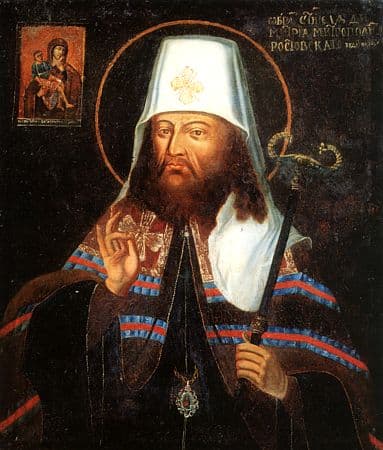
Demetrius of Rostov
Demetrius of Rostov was a prominent opponent of the Russian Orthodox Church's reform under Peter the Great, advocating for traditional practices and the influence of Cossack Baroque spirituality. He is best known as the author of "The Lives of Saints" (Cheti-Minei) and is sometimes credited with composing the first Russian opera, "Rostov Mysteries."

Joasaph of Belgorod
Joasaph of Belgorod was an 18th-century Russian Orthodox hierarch who served as the bishop of Belgorod from 1748 until his death in 1754. He is remembered for his pastoral care, visiting the poor and sick, and for the miracles attributed to his incorrupt relics after his death. His glorification in 1911 led to widespread veneration, though his relics were lost and later recovered.
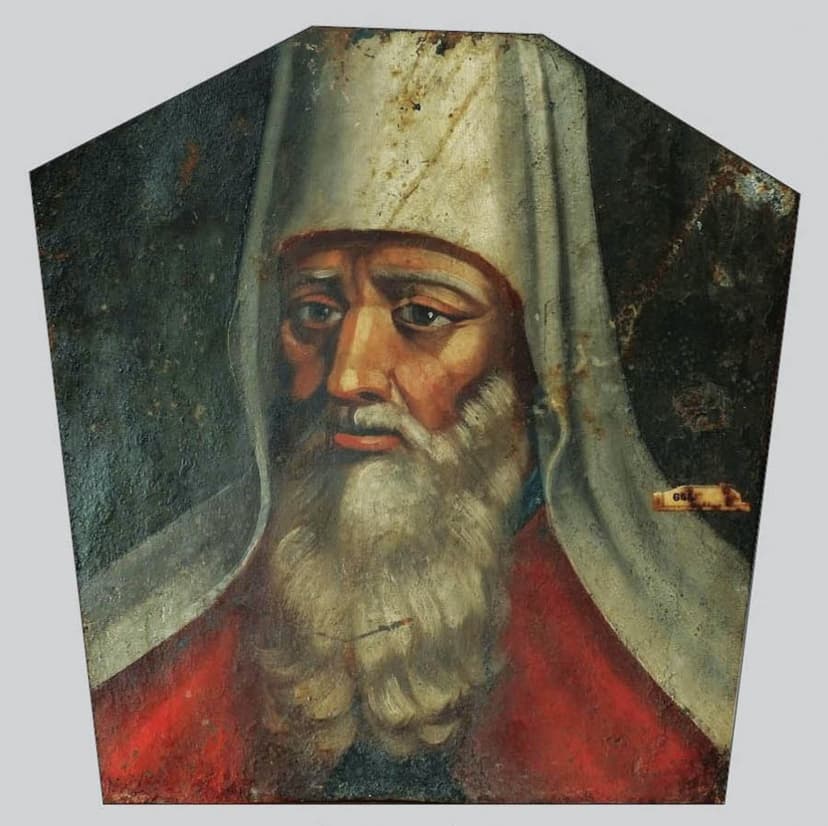
John of Tobolsk
John of Tobolsk was a Ukrainian Cossack-born clergyman who served as the Russian Orthodox archbishop of Chernigov and later metropolitan of Tobolsk and all Siberia. He is remembered for his theological writings, particularly "Iliotropion," and for his missionary and educational work in Siberia. Officially canonized by the Russian Orthodox Church in 1916, he is venerated for his spiritual leadership and the miracles attributed to him.