
Joasaph of Belgorod
September 17·18th century·Ukraine
Joasaph of Belgorod was an 18th-century Russian Orthodox hierarch who served as the bishop of Belgorod from 1748 until his death in 1754. He is remembered for his pastoral care, visiting the poor and sick, and for the miracles attributed to his incorrupt relics after his death. His glorification in 1911 led to widespread veneration, though his relics were lost and later recovered.
Key Facts
- ›He was born Ioakim Andreyevich Gorlenko on September 8, 1705, in the Russian Empire's Cossack Hetmanate.
- ›He was the son of Colonel Andrei Dmitrievich Gorlenko and grandson of Hetman Danylo Apostol.
- ›He served as bishop of Belgorod from 1748 until his death on December 10, 1754.
- ›His remains were found to be incorrupt, and numerous miracles were attributed to them.
- ›Joasaph was glorified as a saint by the Eastern Orthodox Church in 1911.
- ›His relics were stolen in 1917 and returned to Belgorod in 1991 after being found in a museum.
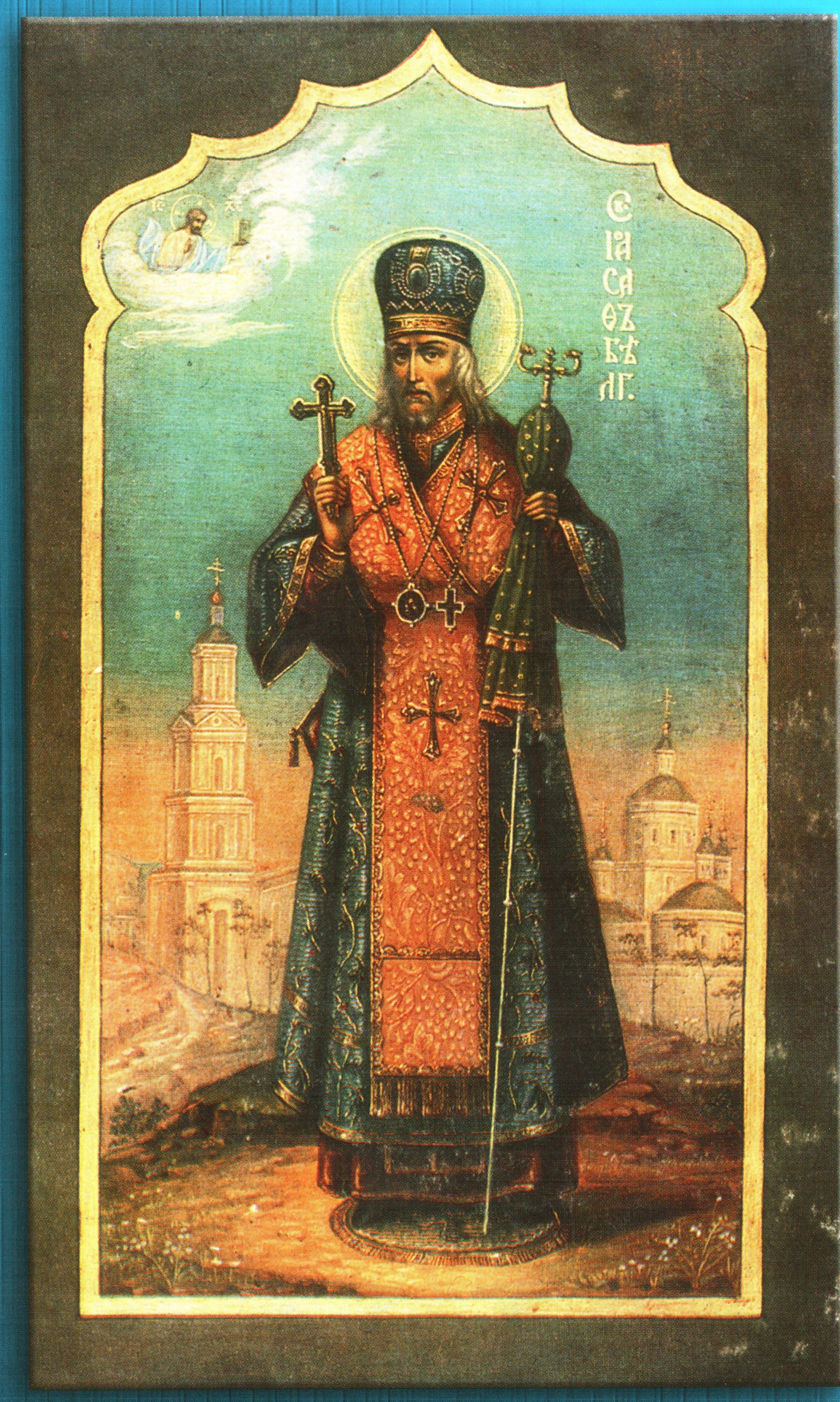
Ioakim Andreyevich Gorlenko, Iosaph
About Joasaph of Belgorod
Joasaph of Belgorod, born Ioakim Andreyevich Gorlenko on September 8, 1705, was an 18th-century Russian Orthodox hierarch who served as the bishop of Belgorod from 1748 until his death on December 10, 1754. He is revered for his diligent pastoral care, particularly his efforts to aid the poor and sick within his diocese. His life and subsequent veneration are intrinsically linked to the discovery of his incorrupt relics and the numerous miracles attributed to them.
Early Life and Career
Born in Priluki within the Cossack Hetmanate, Ioakim Gorlenko hailed from a prominent family, being the son of Colonel Andrei Dmitrievich Gorlenko and grandson of the influential Hetman Danylo Apostol. After receiving his education at the Kiev Theological Academy, he entered monastic life in 1725, taking the name Hilarion and later Joasaph upon taking monastic vows. His ecclesiastical career progressed through various significant positions, including archimandrite of the Mhar Monastery and, by imperial command, head of the Trinity Lavra of St. Sergius, a central spiritual hub of the Russian Orthodox Church. In 1748, he was consecrated as bishop of Belgorod and Oboyan.
Miracles and Glorification
Upon his arrival in Belgorod, Joasaph dedicated himself to his episcopal duties, notably making frequent visits to minister to the poor and infirm. Following his death at the age of 49, his body was interred in the Holy Trinity Cathedral in Belgorod. It was not long before his remains were found to be incorrupt, a phenomenon that quickly gained widespread attention. As news of miraculous cures attributed to his relics spread throughout the Russian Empire, Belgorod became a significant pilgrimage site. This growing veneration culminated in his formal glorification as a saint by the Eastern Orthodox Church on September 4, 1911, an event attended by vast numbers of faithful.
Loss and Return of Relics
Joasaph's relics were a focal point of devotion, housed in a substantial silver shrine. However, following the October Revolution of 1917, the relics were removed from the cathedral by the Bolsheviks, and their whereabouts remained unknown for decades, with the original cathedral later demolished. In the late 1980s, the relics were discovered in the Museum of the History of Religion and Atheism in Leningrad. A solemn ceremony marked their return to Belgorod on September 16, 1991, where they were placed in the new Cathedral of the Transfiguration of Our Lord.
Legacy
Joasaph of Belgorod remains a revered figure in Orthodox Christianity, particularly among those with ties to Ukraine. His feast days are celebrated on September 17 and December 23, commemorating the opening of his relics and the date of his death, respectively. His life story and the miraculous events associated with his relics continue to be a source of spiritual inspiration and a testament to enduring faith.
Source: Wikipedia ↗
Frequently Asked Questions
When was Joasaph of Belgorod born and when did he die?
Joasaph of Belgorod was born on September 8, 1705, and he died on December 10, 1754. He was 49 years old at the time of his death.
What was Joasaph of Belgorod's secular name and family background?
His secular name was Ioakim Andreyevich Gorlenko. He came from an influential family, being the son of Colonel Andrei Dmitrievich Gorlenko and the grandson of Hetman Danylo Apostol.
What was Joasaph of Belgorod's role in the church?
Joasaph of Belgorod was ordained a monk, then a deacon, and later became an archimandrite before being consecrated as a bishop. He served as the bishop of Belgorod and Oboyan from 1748 until his death.
Why is Joasaph of Belgorod venerated as a saint?
He is venerated as a saint due to the discovery of his incorrupt relics after his death and the numerous miracles attributed to them. These events led to his glorification by the Eastern Orthodox Church in 1911.
What happened to Joasaph of Belgorod's relics after his death?
After his death, his body was found to be incorrupt, and many miracles were reported at his shrine. His relics were stolen from his shrine in 1917 and were eventually recovered and returned to Belgorod in 1991.
When are the feast days for Joasaph of Belgorod?
His feast days are celebrated on September 17 (the Feast of the Opening of the Relics) and on December 23, the anniversary of his death. He is also commemorated on July 19.
Related Saints
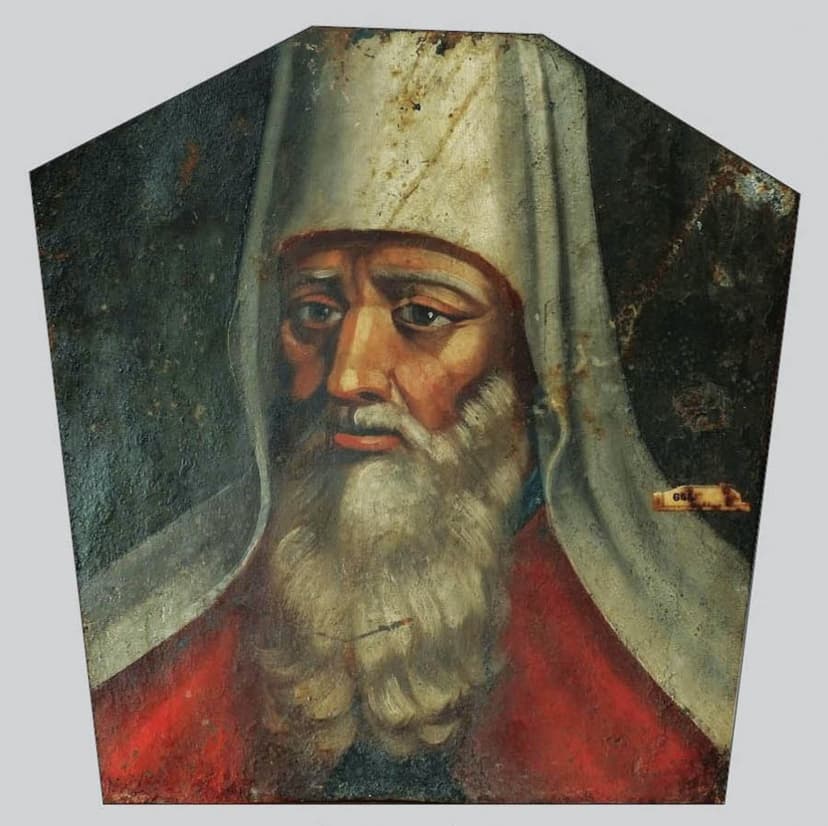
John of Tobolsk
John of Tobolsk was a Ukrainian Cossack-born clergyman who served as the Russian Orthodox archbishop of Chernigov and later metropolitan of Tobolsk and all Siberia. He is remembered for his theological writings, particularly "Iliotropion," and for his missionary and educational work in Siberia. Officially canonized by the Russian Orthodox Church in 1916, he is venerated for his spiritual leadership and the miracles attributed to him.
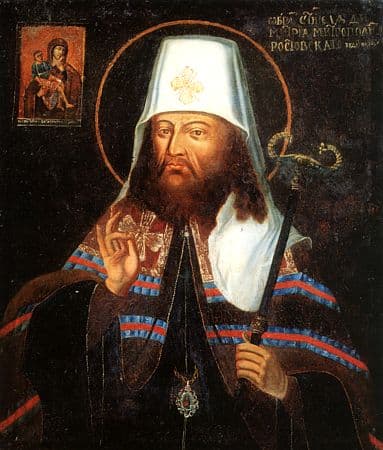
Demetrius of Rostov
Demetrius of Rostov was a prominent opponent of the Russian Orthodox Church's reform under Peter the Great, advocating for traditional practices and the influence of Cossack Baroque spirituality. He is best known as the author of "The Lives of Saints" (Cheti-Minei) and is sometimes credited with composing the first Russian opera, "Rostov Mysteries."
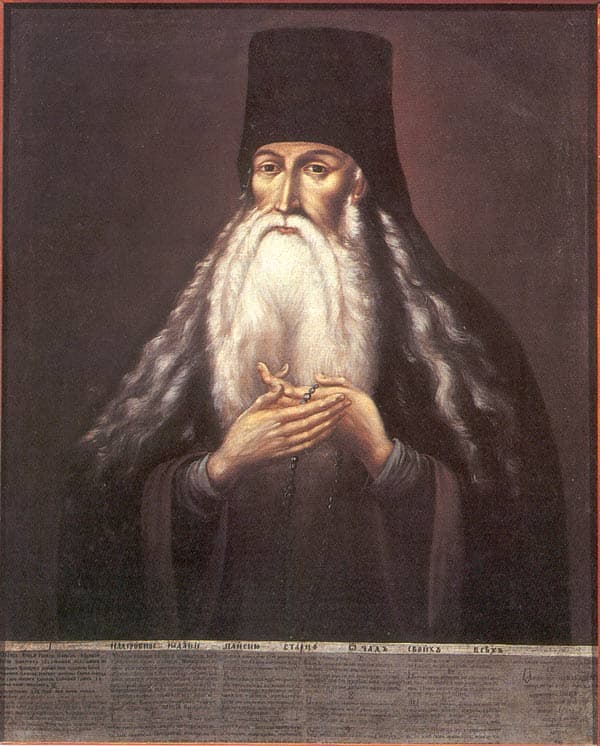
Paisius Velichkovsky
Paisius Velichkovsky was an Eastern Orthodox monk and theologian instrumental in revitalizing hesychastic monasticism in the Slavic world. He is remembered for spreading the concept of the spiritual elder (staretsdom) and for his work in translating and disseminating patristic texts, most notably the Philokalia. His efforts significantly influenced the spiritual renewal of Orthodoxy in the 18th century and beyond.