
John of Tobolsk
June 10·18th century·Ukraine
John of Tobolsk was a Ukrainian Cossack-born clergyman who served as the Russian Orthodox archbishop of Chernigov and later metropolitan of Tobolsk and all Siberia. He is remembered for his theological writings, particularly "Iliotropion," and for his missionary and educational work in Siberia. Officially canonized by the Russian Orthodox Church in 1916, he is venerated for his spiritual leadership and the miracles attributed to him.
Key Facts
- ›Born Ioann Maksimovich Vasilkovskiy in 1651 to a noble Cossack family in Nieżyn.
- ›Graduated from Kiev Academy and served as a teacher of poetics, rhetorics, and Latin.
- ›Became a monk of the Kiev Pechersk Lavra in 1676 and later managed the monastery.
- ›Served as Archbishop of Chernigov, where he operated a spiritual academy and wrote theological works.
- ›Translated and adapted "Iliotropion" from Latin, a significant work on theodicy in Eastern Orthodoxy.
- ›Appointed Metropolitan of Tobolsk and all Siberia in 1711, engaging in educational and missionary work.
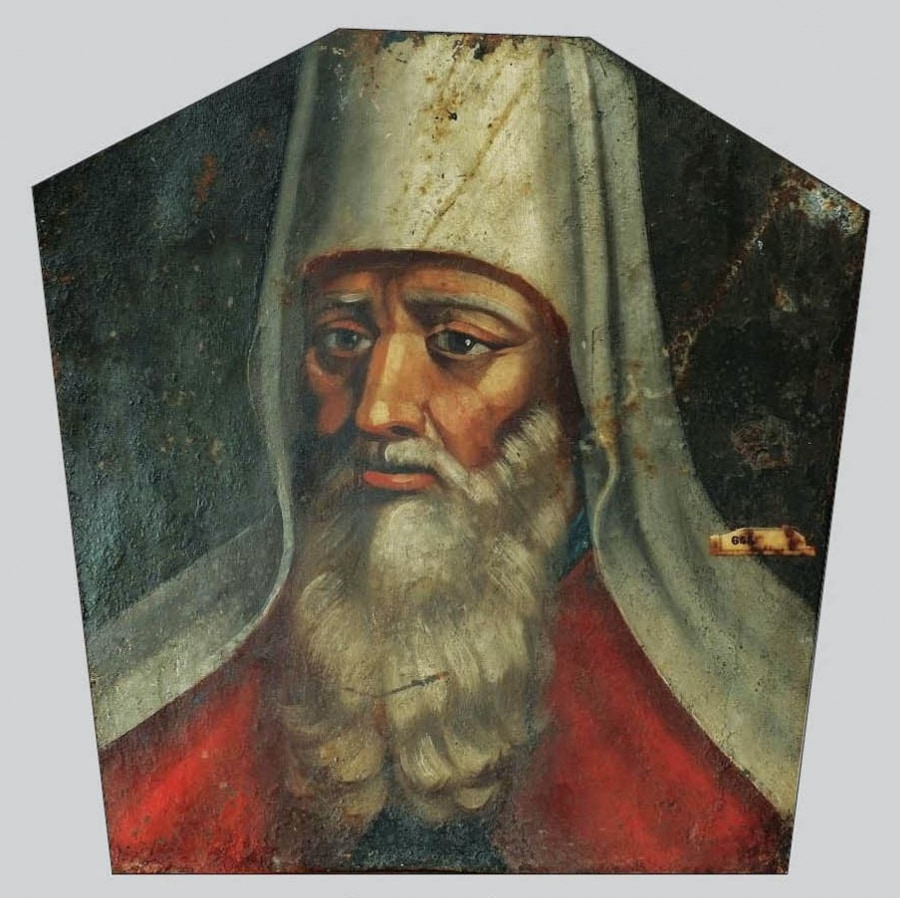
Ioann Maksimovich Vasilkovskiy, Ivan Maksymovych Vasylkivskyi
Iliotropion
About John of Tobolsk
John of Tobolsk (1651–1715), born Ioann Maksimovich Vasilkovskiy, was a prominent clergyman, teacher, and writer of Ukrainian Cossack origin. He rose through the ranks of the Eastern Orthodox Church, serving as the Archbishop of Chernigov and later as the Metropolitan of Tobolsk and all Siberia. His life and work left a significant mark on theological literature and missionary efforts.
Early Life and Education
Born into a noble Cossack family in Nieżyn, John was the only one of his seven brothers to enter the clergy. After graduating from the Kiev Academy in 1673, he initially remained there as a teacher of poetics, rhetoric, and the Latin language. In 1676, he took monastic vows at the Kiev Pechersk Lavra, where he was later appointed manager. He was subsequently transferred to Chernigov to teach Latin at the local school.
Ministry and Writings
John's tenure as Archbishop of Chernigov was marked by his establishment of a spiritual academy and his prolific writing. His most renowned work is "Iliotropion" (meaning "Sunflower"), a translation and adaptation from the Latin of Jesuit priest Jeremias Drexel. This work on theodicy became a standard text among Eastern Orthodox believers. His writings were influenced by contemporary European intellectual trends, including the Enlightenment and Protestantism.
Metropolitan of Tobolsk
In 1711, by order of Tsar Peter I, John was appointed Metropolitan of Tobolsk and all Siberia. In this role, he engaged in extensive educational and missionary activities aimed at the non-Christian peoples of Siberia. He also introduced his native church customs to the region, notably by inviting icon painters from Ukraine to adorn churches and monasteries in Tobolsk and Tyumen.
Veneration and Legacy
Even during his lifetime, John of Tobolsk was regarded as a saint by the local population, with numerous miracles reportedly occurring at his grave after his death. The Russian Orthodox Church officially canonized him in 1916, establishing his feast day on June 10, the anniversary of his passing. His legacy is preserved through his theological writings and his pioneering missionary work in Siberia.
Source: Wikipedia ↗
Frequently Asked Questions
Who was John of Tobolsk?
John of Tobolsk, born Ioann Maksimovich Vasilkovskiy, was a clergyman of Ukrainian Cossack origin. He served as the Russian Orthodox archbishop of Chernigov and later as the metropolitan of Tobolsk and all Siberia.
What is John of Tobolsk known for?
He is known for his theological writings, most notably "Iliotropion," a work on theodicy translated from Latin. He also engaged in significant educational and missionary activities among the peoples of Siberia.
When was John of Tobolsk canonized?
John of Tobolsk was officially glorified and canonized by the Russian Orthodox Church in 1916 for veneration throughout the church. He had been honored as a saint in Siberia through local veneration even during his lifetime.
What is the significance of "Iliotropion"?
"Iliotropion," which means "Sunflower," is a work John of Tobolsk translated and adapted into Slavonic and Russian. It remains a standard text on theodicy within Eastern Orthodox theology.
What was his role in Siberia?
Upon becoming Metropolitan of Tobolsk in 1711, John of Tobolsk actively pursued educational and missionary endeavors among the non-Christian inhabitants of Siberia. He also introduced Ukrainian church customs and invited artists to decorate local churches.
Related Saints
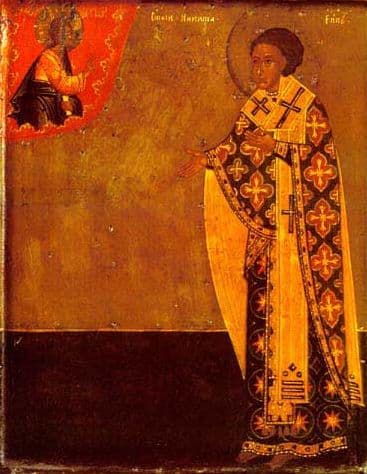
Nicetas of Novgorod
Nicetas of Novgorod was a monk of the Kiev Pechersk Lavra who embraced a life of solitude as a hermit. He is remembered for his spiritual struggles with demonic delusion, his subsequent repentance and gift of miracle-working, and his service as Bishop of Novgorod. His intercessions are credited with ending a drought and extinguishing a fire.
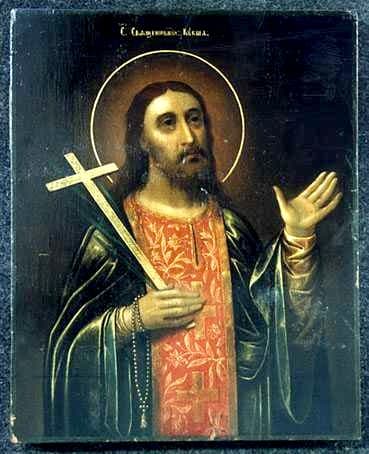
Kuksha of the Kiev Caves
Kuksha of the Kiev Caves was a monk and missionary from the Kiev Pechersk Lavra who is venerated as a saint in the Russian Orthodox Church. He is remembered for his efforts to spread Christianity among the Vyatichi people and for his martyrdom, for which he is honored as a confessor and martyr.
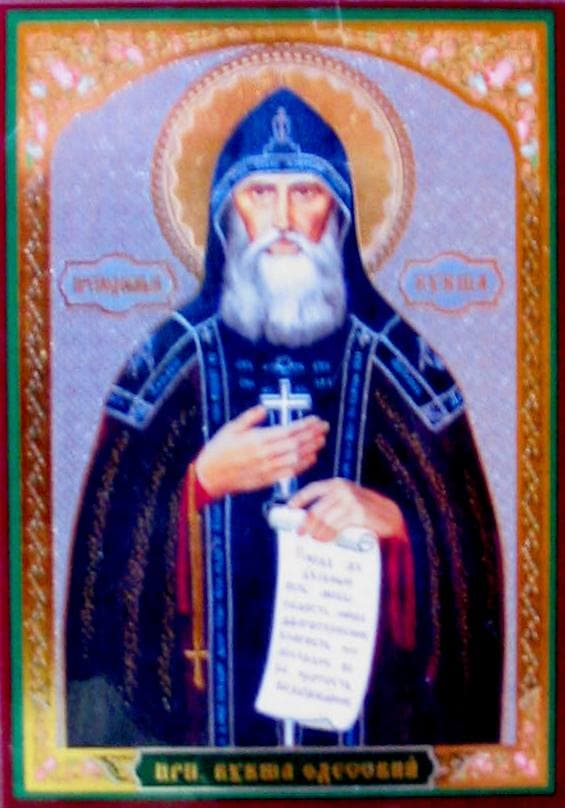
Kuksha of Odessa
Kuksha of Odessa, born Kuzma Kirillovich Velichko, was an imperial Russian priest and a Ukrainian Orthodox Church saint. He is remembered for his devout monastic life, his suffering in Soviet labor camps, and his eventual canonization. Kuksha is venerated for his piety and spiritual resilience.