
Kuksha of Odessa
Kuksha of Odessa, born Kuzma Kirillovich Velichko, was an imperial Russian priest and a Ukrainian Orthodox Church saint. He is remembered for his devout monastic life, his suffering in Soviet labor camps, and his eventual canonization. Kuksha is venerated for his piety and spiritual resilience.
Key Facts
- ›Kuksha of Odessa was born Kuzma Kirillovich Velichko on January 12, 1875, in Arbuzynka, Kherson Governorate.
- ›He joined the Saint Panteleimon Monastery on Mount Athos in 1896 as a novice.
- ›He was tonsured into the schema and given the name Kuksha on April 8, 1931, during a period of grave illness.
- ›Kuksha was arrested by Soviet authorities in 1938 and sentenced to five years in a Gulag labor camp.
- ›Following his release, he served in various monasteries in Ukraine after returning in 1947.
- ›He died on December 24, 1964, in Odessa and was glorified as venerable by the Ukrainian Orthodox Church in 1995.
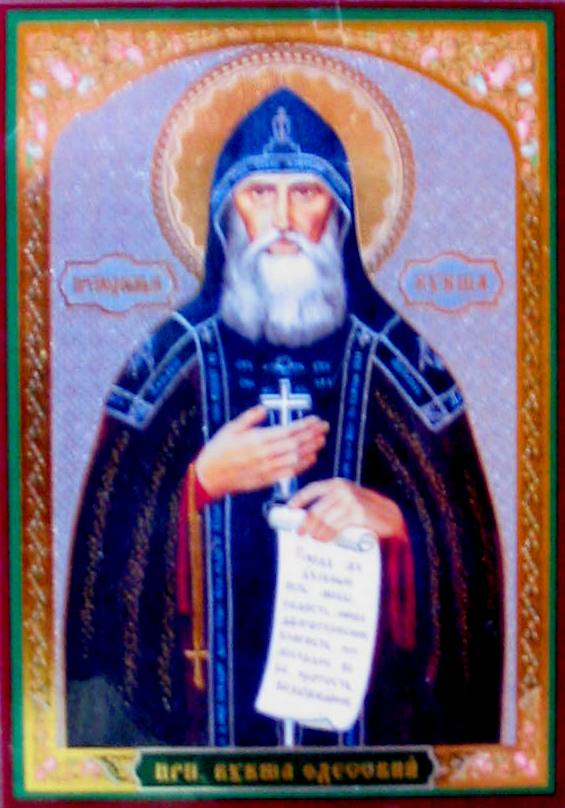
Kuzma Kirillovich Velichko, Kosma Velitchko, Xenophont
About Kuksha of Odessa
Kuksha of Odessa, born Kuzma Kirillovich Velichko on January 12, 1875, was an imperial Russian priest and later a venerated saint of the Ukrainian Orthodox Church (Moscow Patriarchate). He is remembered for his deep piety, his monastic life, and his endurance through periods of intense persecution.
Early Life and Monastic Calling
Born into a devout family in Arbuzynka, Kherson Governorate, young Kuzma Velichko displayed a strong spiritual inclination from an early age. He undertook extensive pilgrimages in his youth, visiting significant holy sites such as the Kiev Pechersk Lavra, Troitse-Sergiyeva Lavra, Valaam, Solovki, and Jerusalem. In 1895, during one such pilgrimage to Jerusalem, he expressed a desire to join the monastic community at the Saint Panteleimon Monastery on Mount Athos. Heeding the advice of an archimandrite, he returned the following year, in 1896, to become a novice.
Monastic Life and Transformation
On Mount Athos, Velitchko served in various capacities, including managing altar offerings. He was tonsured with the monastic name Xenophont in 1904. In 1913, he transferred to the Kiev Pechersk Lavra. A significant moment in his spiritual life occurred in 1931 when, gravely ill, he was tonsured into the Great Schema and received the name Kuksha, after a saint venerated in the monastery's caves. He recovered and was later ordained a hierodeacon and hieromonk.
Persecution and Exile
Following the closure of the Kiev Pechersk Lavra by Soviet authorities, Kuksha served in a local church. In 1938, he was arrested and accused of being a "cult servant." He was sentenced to five years in a labor camp in the Molotov Oblast, where he endured harsh conditions. After his release in 1943, he was sentenced to three years of exile in the village of Kungur. Despite these hardships, he continued to conduct church services when permitted.
Later Years and Canonization
In 1947, Kuksha returned to the Kiev Pechersk Lavra and later served in other monasteries, including the Pochayiv Lavra. In 1960, he was transferred to the Holy Dormition Monastery in Odessa, where he spent the final four years of his life. He died on December 24, 1964, and was buried in the monastery's cemetery. After the fall of the Soviet Union, Kuksha of Odessa was recognized for his spiritual life and was glorified as venerable by the Holy Synod of the Ukrainian Orthodox Church in 1995.
Source: Wikipedia ↗
Frequently Asked Questions
When and where was Kuksha of Odessa born?
Kuksha of Odessa was born Kuzma Kirillovich Velichko on January 12, 1875, in the village of Arbuzynka, Kherson Governorate, which was then part of the Russian Empire.
What was Kuksha of Odessa's monastic journey?
He became a novice at the Saint Panteleimon Monastery on Mount Athos in 1896. He later entered the Kiev Pechersk Lavra in 1913 and was tonsured into the schema as Kuksha in 1931.
What hardships did Kuksha of Odessa face?
In 1938, Kuksha was arrested by Soviet authorities and sentenced to five years in a Gulag labor camp, where he endured hard labor and poor conditions.
When was Kuksha of Odessa canonized?
Kuksha of Odessa was glorified as venerable by the Holy Synod of the Ukrainian Orthodox Church in 1995, following the collapse of the Soviet Union.
Where is Kuksha of Odessa buried?
Kuksha of Odessa died on December 24, 1964, and was buried in the cemetery of the Holy Dormition Monastery in Odessa, Ukraine.
Related Saints
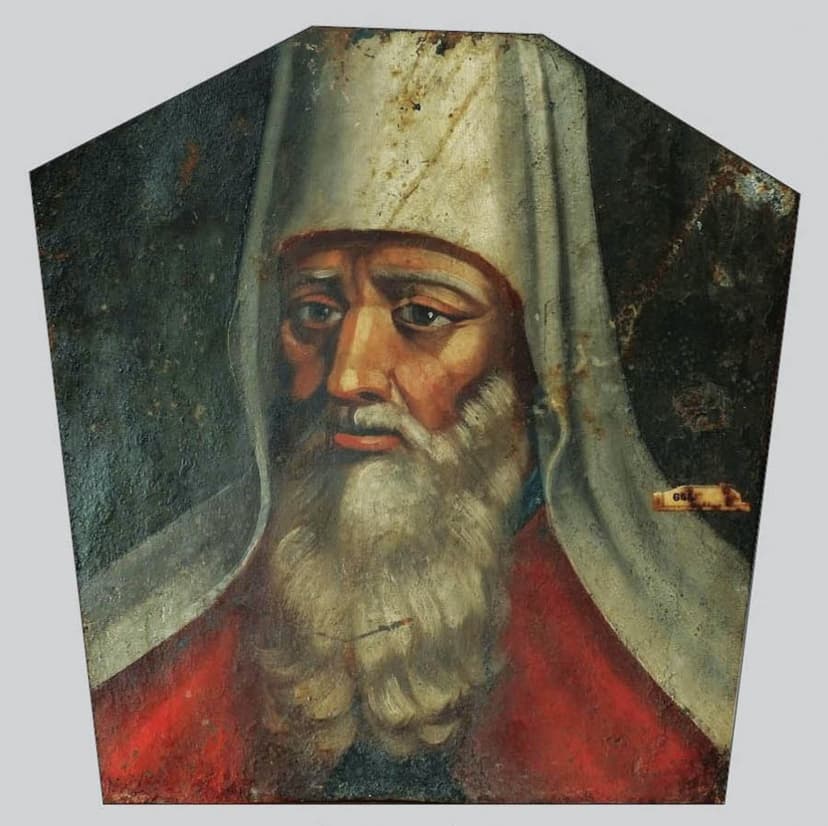
John of Tobolsk
John of Tobolsk was a Ukrainian Cossack-born clergyman who served as the Russian Orthodox archbishop of Chernigov and later metropolitan of Tobolsk and all Siberia. He is remembered for his theological writings, particularly "Iliotropion," and for his missionary and educational work in Siberia. Officially canonized by the Russian Orthodox Church in 1916, he is venerated for his spiritual leadership and the miracles attributed to him.
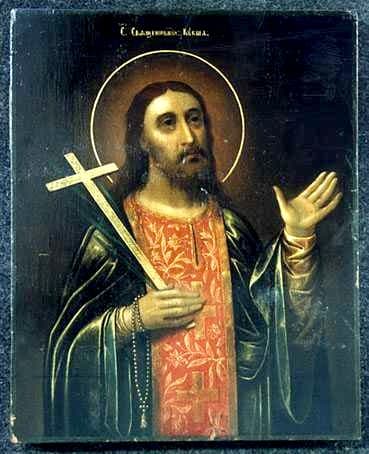
Kuksha of the Kiev Caves
Kuksha of the Kiev Caves was a monk and missionary from the Kiev Pechersk Lavra who is venerated as a saint in the Russian Orthodox Church. He is remembered for his efforts to spread Christianity among the Vyatichi people and for his martyrdom, for which he is honored as a confessor and martyr.
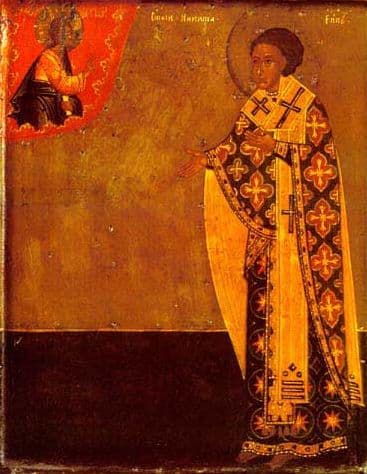
Nicetas of Novgorod
Nicetas of Novgorod was a monk of the Kiev Pechersk Lavra who embraced a life of solitude as a hermit. He is remembered for his spiritual struggles with demonic delusion, his subsequent repentance and gift of miracle-working, and his service as Bishop of Novgorod. His intercessions are credited with ending a drought and extinguishing a fire.