
Optina Monastery
Optina Monastery is an Eastern Orthodox men's monastery near Kozelsk, Russia, renowned in the 19th century as the foremost spiritual center of the Russian Orthodox Church and a model for other monasteries. It was particularly celebrated for its tradition of spiritual eldership (staretsdom), attracting numerous devout Christians and notable literary figures. After suffering severe disruption during the Soviet era, it was returned to the Russian Orthodox Church and has since been restored, with its most esteemed elders glorified as saints.
Key Facts
- ›Most buildings were erected in the late 18th and early 19th centuries.
- ›A hermitage for startsy (elders) was established nearby in 1821.
- ›Attracted prominent visitors including Fyodor Dostoevsky and Nikolai Gogol.
- ›Possessed a rich library, supported by the Slavophile Kireyevsky brothers.
- ›The monastery was declared a gulag and its structures were later demolished or repurposed after the Russian Revolution.
- ›Returned to the Russian Orthodox Church in 1987 during Perestroika.

Center of Russian Staretsdom, Rich Library, Prototype For Other Monasteries
Optina Pustyn, Optina Hermitage
Saint Amvrosy, Fyodor Dostoevsky, Vasily Zhukovsky, Nikolai Gogol, Ivan Turgenev, Vasily Rozanov, Leo Tolstoy, Konstantin Leontyev, Kireyevsky Brothers, Saint Paisius Velichkovsky, Schema-Archimandrite Moses, Schema-Hegumen Anthony, Hieroschemamonk Leonid, Hieroschemamonk Macarius, Hieroschemamonk Hilarion, Hieroschemamonk Ambrose, Hieroschemamonk Anatole, Hieroschemamonk Barsanuphius, Hieromonk Basil, Monk Ferapont, Monk Trophim
- Nuns Allowed Into Cloister Prior To 1504
- Most Buildings Erected At Turn of 18th and 19th Centuries
- Hermitage For Startsy Established In 1821
- Visited By Notable Literary Figures In the 19th Century
- Konstantin Leontyev Lived At the Monastery For Four Years
- Last Startsy Forcibly Deported After Russian Revolution
- Declared A Gulag After Russian Revolution
- Some Structures Demolished After Russian Revolution
- Cathedral Designated A Literary Museum
- Camp For Polish Army Officers In 1939-1940
- Returned To Russian Orthodox Church In 1987
- Most Notable Startsy Glorified As Saints In the 1990s
- Three Inhabitants Murdered On Easter Night In 1993
About Optina Monastery
Optina Monastery, also known as Optina Pustyn, is a significant Eastern Orthodox men's monastery located near Kozelsk, Russia. Its history is deeply intertwined with the spiritual revival of the Russian Orthodox Church, particularly in the 19th century when it emerged as the most important spiritual center and a leading example of staretsdom, or the tradition of spiritual eldership.
History and Significance
The precise founding date of Optina Monastery is not definitively known, although historical records indicate the presence of nuns before 1504. The monastery's most extensive construction and development occurred at the turn of the 18th and 19th centuries, coinciding with its rise as a spiritual beacon. A dedicated hermitage for spiritual elders, or startsy, was established in 1821, drawing large numbers of devout individuals and intellectuals to the region. The monastery fostered a rich intellectual and spiritual life, boasting a substantial library and attracting renowned figures from Russian literature and philosophy, including Fyodor Dostoevsky, Nikolai Gogol, Ivan Turgenev, and Vasily Rozanov. The philosopher Konstantin Leontyev resided and took his monastic vows here. The monastery's spiritual leadership was profoundly influenced by the hesychastic tradition, revitalized in Russia through the efforts of figures like Saint Paisius Velichkovsky.
Challenges and Revival
The Optina Monastery faced severe persecution following the Russian Revolution. The spiritual elders were expelled, and the monastery was repurposed as a gulag, with some buildings demolished and the cathedral converted into a museum. During the Soviet period, it also served as a site for a camp for Polish prisoners of war, many of whom were tragically murdered. A new chapter began in 1987 with its return to the Russian Orthodox Church during Perestroika. Since then, the monastery has been undergoing restoration. In the 1990s, its most revered spiritual elders were canonized as saints, and the monastery continues to be a vital center of Orthodox spirituality. Tragically, in 1993, three monks were murdered on Easter night, becoming known as the Optina martyrs.
Source: Wikipedia ↗
Frequently Asked Questions
When was Optina Monastery founded?
The exact founding date of Optina Monastery is not clearly recorded. Historical accounts suggest that nuns were permitted within the cloister prior to 1504, which may offer an approximate timeframe for its origins.
What is Optina Monastery most famous for?
Optina Monastery is primarily renowned as the most significant spiritual center of the Russian Orthodox Church in the 19th century and as the heart of Russian Orthodox eldership, known as staretsdom. It served as a spiritual hub and a model for other monastic communities.
Who were some notable visitors to Optina Monastery?
The monastery attracted many devout Christians, including prominent literary figures such as Fyodor Dostoevsky, Vasily Zhukovsky, Nikolai Gogol, Ivan Turgenev, and Vasily Rozanov. Leo Tolstoy also visited, though he did not endorse the staretsdom.
What happened to Optina Monastery during the Soviet era?
Following the Russian Revolution, the monastery suffered greatly. The spiritual elders were forcibly removed, and the monastery was declared a gulag. Some buildings were demolished, and the cathedral was converted into a literary museum. A camp for Polish prisoners of war was also located there.
When was Optina Monastery returned to the Russian Orthodox Church?
Optina Monastery was one of the first abbeys to be returned to the Russian Orthodox Church in 1987, coinciding with the beginning of Perestroika. Its restoration began in the 1990s.
Are there any saints associated with Optina Monastery?
Yes, the spiritual elders of Optina Monastery were highly regarded, and many were later glorified as saints. Saint Amvrosy, in particular, is said to have been the inspiration for Father Zosima in Dostoevsky's novel 'The Brothers Karamazov'.
What is the meaning of the name 'Optina Pustyn'?
The name 'Optina Pustyn' is believed to be derived from the Russian word for 'living together,' possibly referencing the historical presence of nuns within the cloister. 'Pustyn' itself translates to hermitage.
Related Monasteries

Alexander Nevsky Lavra
The Alexander Nevsky Lavra, officially Saint Alexander Nevsky Monastery, is a prominent Eastern Orthodox monastery in Saint Petersburg, Russia. Founded by Peter the Great in 1710, it was intended to commemorate the victory of Alexander Nevsky, though the chosen site was not the actual battlefield. The monastery holds significant religious and historical importance, serving as a burial place for many famous Russians and housing the relics of its namesake saint.
Brâncoveni Monastery
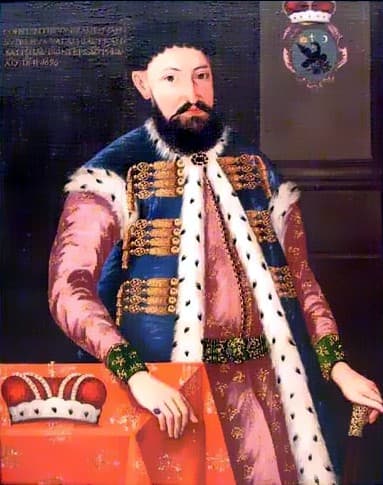
Brâncoveni Monastery is a religious site associated with the martyrdom of Prince Constantin Brâncoveanu and his sons, who were executed by the Ottoman Empire for refusing to renounce their Christian faith. The monastery, along with other significant constructions like Hurezi Monastery, is representative of the distinctive Brâncovenesc architectural style, which harmoniously blends local traditions with Neo-Byzantine and Renaissance influences. Following their martyrdom, Constantin Brâncoveanu and his family were canonized as saints by the Romanian Orthodox Church, with their feast day celebrated annually.

Holy Trinity Monastery (Jordanville, New York)
Holy Trinity Monastery, located near Jordanville, New York, is a stavropegial monastery of the Russian Orthodox Church Outside of Russia (ROCOR). Founded in 1930, it has become a prominent spiritual center for Russian Orthodoxy in the West, recognized for its extensive publishing activities and the Holy Trinity Orthodox Seminary. The monastery is dedicated to the Holy Trinity, with its patronal feast day celebrated on Pentecost.