
Brâncoveni Monastery
Brâncoveni Monastery is a religious site associated with the martyrdom of Prince Constantin Brâncoveanu and his sons, who were executed by the Ottoman Empire for refusing to renounce their Christian faith. The monastery, along with other significant constructions like Hurezi Monastery, is representative of the distinctive Brâncovenesc architectural style, which harmoniously blends local traditions with Neo-Byzantine and Renaissance influences. Following their martyrdom, Constantin Brâncoveanu and his family were canonized as saints by the Romanian Orthodox Church, with their feast day celebrated annually.
Key Facts
- ›Associated with the martyrdom of Prince Constantin Brâncoveanu and his four sons.
- ›The Brâncovenesc architectural style, a blend of local, Neo-Byzantine, and Renaissance elements, is exemplified by constructions commissioned by Prince Constantin.
- ›Prince Constantin Brâncoveanu and his family were canonized as saints by the Romanian Orthodox Church.
- ›Their feast day is celebrated on August 16th.
- ›The monastery serves as a place of remembrance for their sacrifice and faith.
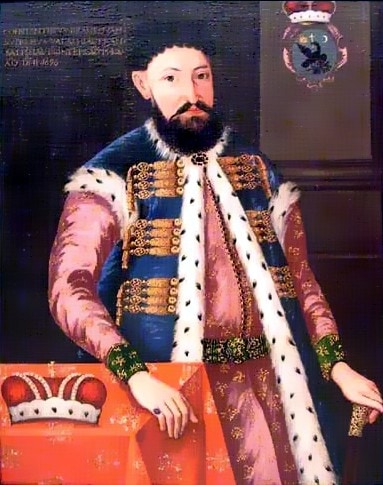
BrâNcovenesc Style, Neo-Byzantine, Renaissance
- Associated With the Martyrdom of Constantin BrâNcoveanu and His Sons
- Exemplifies the BrâNcovenesc Architectural Style
Constantin BrâNcoveanu, Constantin, șTefan, Radu, Matei, Ianache VăCăRescu
- Martyrdom of Constantin BrâNcoveanu and His Sons
- Canonization By the Romanian Orthodox Church
About Brâncoveni Monastery
Brâncoveni Monastery is a significant religious site in Romania, primarily known for its association with the martyrdom of Prince Constantin Brâncoveanu and his four sons. They were executed by the Ottoman Empire in 1714 for their unwavering adherence to the Orthodox Christian faith, refusing to convert to Islam. This act of faith and sacrifice has led to their veneration as saints by the Romanian Orthodox Church, with their feast day observed annually on August 16th.
Architectural Significance
The monastery, along with other notable constructions commissioned by Prince Constantin Brâncoveanu, showcases the unique "Brâncovenesc style." This architectural movement harmoniously blends indigenous Romanian traditions with influences from Neo-Byzantine art and the Italian Renaissance. The style is characterized by its elaborate mural paintings, intricate sculptural details, and a sophisticated integration of religious and secular aesthetics, making it a distinctive contribution to Romanian cultural heritage.
Source: Wikipedia ↗
Frequently Asked Questions
Who was Prince Constantin Brâncoveanu?
Constantin Brâncoveanu was the Prince of Wallachia from 1688 to 1714. He was a significant patron of culture and architecture, known for developing the Brâncovenesc style. He is also revered as a saint by the Orthodox Church.
What is the significance of Brâncoveni Monastery?
Brâncoveni Monastery is linked to the tragic fate of Prince Constantin Brâncoveanu and his sons, who were executed by the Ottoman Empire. Their refusal to convert to Islam and their steadfastness in their Christian faith led to their martyrdom and subsequent canonization.
What is the Brâncovenesc architectural style?
The Brâncovenesc style is an architectural movement that emerged during the reign of Prince Constantin Brâncoveanu. It is characterized by a harmonious fusion of Romanian traditions, Neo-Byzantine elements, and Italian Renaissance innovations, often featuring intricate mural paintings and sculptural details.
When were Constantin Brâncoveanu and his sons canonized?
The Synod of the Romanian Orthodox Church decreed the sanctification of Constantin Brâncoveanu, his sons, and his advisor Ianache Văcărescu in June 1992. The Russian Orthodox Church also added them to its calendar in March 2018.
What happened to Constantin Brâncoveanu and his sons?
Prince Constantin Brâncoveanu and his four sons were arrested and brought to Istanbul. After refusing to renounce their Christian faith in exchange for their lives, they were beheaded on August 15, 1714. Their bodies were initially thrown into the Bosphorus but were later recovered and buried.
Related Monasteries

Stavropoleos Monastery
Stavropoleos Monastery, also known as Stavropoleos Church, is an Eastern Orthodox monastery for nuns located in central Bucharest, Romania. Founded in 1724 by archimandrite Ioannikios Stratonikeas, its church is a prime example of Brâncovenesc architectural style. The monastery is renowned for its dedication to Byzantine music, housing Romania's largest collection of Byzantine music books and maintaining an active choir.

Sucevița Monastery
Sucevița Monastery is a historic Eastern Orthodox convent located in northeastern Romania, built in 1585. It is renowned for its unique architecture, blending Byzantine and Gothic elements, and for its extensive interior and exterior mural paintings that depict biblical scenes. Originally serving as a fortified princely residence and manuscript workshop, it now houses a museum showcasing its rich artistic and historical legacy.

Ciolanu Monastery
Ciolanu Monastery is an Eastern Orthodox monastic community situated in Tisău commune, Buzău County, Romania. Founded around 1570 by the boyar Dumitru Ciolanu and the Sorescu family, it bears the name of its founder. The monastery complex includes a museum showcasing icons by Gheorghe Tattarescu and other religious artifacts.