
Stavropoleos Monastery
Stavropoleos Monastery, also known as Stavropoleos Church, is an Eastern Orthodox monastery for nuns located in central Bucharest, Romania. Founded in 1724 by archimandrite Ioannikios Stratonikeas, its church is a prime example of Brâncovenesc architectural style. The monastery is renowned for its dedication to Byzantine music, housing Romania's largest collection of Byzantine music books and maintaining an active choir.
Key Facts
- ›The church was built in 1724 by archimandrite Ioannikios Stratonikeas.
- ›The church is dedicated to Saints Archangels Michael and Gabriel.
- ›Its architecture exemplifies the Brâncovenesc style.
- ›It houses the largest collection of Byzantine music books in Romania.
- ›The monastery actively promotes Byzantine music through its choir and the renovation of old books and icons.

BrâNcovenesc
- Largest Collection of Byzantine Music Books In Romania
- Active Byzantine Choir
- Library With Over 8,000 Books
- Collection of Old Icons and Ecclesiastical Objects
- Recovered Wall Paintings From Demolished Churches
Stavropoleos Church
Ioannikios Stratonikeas, Nicholas Mavrocordatos, Vasile DrăGuț, Iustin Marchiș, Gabriel Constantin Oprea
- Church Built In 1724
- Ioannikios Elected Metropolitan of Stavropolis In 1726
- Ioannikios Died and Was Buried In the Church In 1742
- Inn and Annexes Demolished At the End of the 19th Century
- Dome Paintings Restored At the Beginning of the 20th Century
- Monastery Reactivated With An Active Community In 1991
About Stavropoleos Monastery
Stavropoleos Monastery, also known during periods of dissolution as Stavropoleos Church, is a significant Eastern Orthodox monastery for nuns situated in the heart of Bucharest, Romania. Its church, a masterpiece of the Brâncovenesc architectural style, was constructed in 1724 by the Greek monk Ioannikios Stratonikeas. The monastery is dedicated to Saints Archangels Michael and Gabriel, with its name translating from Greek as "The city of the Cross."
Economically sustained in its early years by the income from an adjacent inn, Stavropoleos Monastery has a rich history marked by periods of construction, restoration, and revival. Although the original monastery's annexes were demolished, the church itself remains, alongside a 20th-century building designed by architect Ion Mincu. This newer structure houses a substantial library, a conference room, and a collection of historical artifacts, including early 18th-century icons and ecclesiastical objects, as well as recovered wall paintings from churches demolished during the communist era.
Significance and Cultural Contributions
Stavropoleos Monastery is particularly celebrated for its deep commitment to Byzantine music. It hosts the largest collection of Byzantine music books in Romania, comprising over 8,000 volumes on theology, arts, and history. The monastery actively promotes this tradition through its choir, which sings neo-Byzantine music, and through the renovation of old books, icons, and sacerdotal garments. The choir, established in 1994, performs both locally and internationally, releasing its music on CDs. The monastery has also initiated a virtual library project to digitize its valuable collection of old books, ensuring their preservation for future generations.
Source: Wikipedia ↗
Frequently Asked Questions
When was Stavropoleos Monastery founded?
The church and monastery were built in 1724, during the reign of Nicholas Mavrocordatos. The monastery later took its name from its founder, Ioannikios, who became metropolitan of Stavropolis.
What is the architectural style of Stavropoleos Monastery?
The church is built in the Brâncovenesc style, a distinctive Romanian architectural style that emerged during the reign of Prince Constantin Brâncoveanu. This style is characterized by its rich ornamentation and blend of Byzantine and Renaissance influences.
What makes Stavropoleos Monastery significant today?
Stavropoleos Monastery is significant for its continued dedication to Byzantine music, boasting Romania's largest collection of related books and an active choir. It also preserves historical artifacts and engages in the restoration of old religious items.
What is the current status of Stavropoleos Monastery?
While the monastery was dissolved during the communist regime, the church has been active since 1991, housing an active monastic community of nuns. It also functions as a cultural center, preserving historical artifacts and promoting Byzantine music.
What can visitors expect to find at Stavropoleos Monastery?
Visitors can see the original 18th-century church, a 20th-century building housing a library with over 8,000 books, a conference room, and a collection of old icons and ecclesiastical objects. Recovered parts of wall paintings from demolished churches are also on display.
Related Monasteries

Zamfira Monastery
Zamfira Monastery is an Eastern Orthodox convent situated in Prahova County, Romania. Its initial church was built in 1743 by Zamfira Apostoli, and the current church was constructed in 1858 after earlier structures were damaged by earthquakes. The monastery is notable for its frescoes painted by a young Nicolae Grigorescu.

Alexander Nevsky Lavra
The Alexander Nevsky Lavra, officially Saint Alexander Nevsky Monastery, is a prominent Eastern Orthodox monastery in Saint Petersburg, Russia. Founded by Peter the Great in 1710, it was intended to commemorate the victory of Alexander Nevsky, though the chosen site was not the actual battlefield. The monastery holds significant religious and historical importance, serving as a burial place for many famous Russians and housing the relics of its namesake saint.
Brâncoveni Monastery
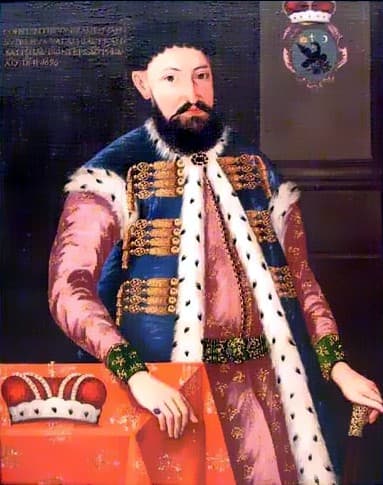
Brâncoveni Monastery is a religious site associated with the martyrdom of Prince Constantin Brâncoveanu and his sons, who were executed by the Ottoman Empire for refusing to renounce their Christian faith. The monastery, along with other significant constructions like Hurezi Monastery, is representative of the distinctive Brâncovenesc architectural style, which harmoniously blends local traditions with Neo-Byzantine and Renaissance influences. Following their martyrdom, Constantin Brâncoveanu and his family were canonized as saints by the Romanian Orthodox Church, with their feast day celebrated annually.