
Zamfira Monastery
Zamfira Monastery is an Eastern Orthodox convent situated in Prahova County, Romania. Its initial church was built in 1743 by Zamfira Apostoli, and the current church was constructed in 1858 after earlier structures were damaged by earthquakes. The monastery is notable for its frescoes painted by a young Nicolae Grigorescu.
Key Facts
- ›Founded in 1743 by Zamfira Apostoli.
- ›Current church was consecrated on September 8, 1857.
- ›The new church was painted by Nicolae Grigorescu in 1856-1857.
- ›Suffered damage from earthquakes in 1802, 1838, 1940, and 1977.
- ›Underwent significant renovations in the MID-20th century and again in the late 1980s.
- ›Located in the Lipănești commune, Prahova County, Romania.

Frescoes By Nicolae Grigorescu
Zamfira Apostoli, Nicolae Grigorescu, Master Cheladec, Patriarch Justinian, Patriarch Teoctist
- Earthquake of 1802
- Earthquake of 1838
- Consecration of the Church On September 8, 1857
- Earthquake of November 10, 1940
- Renovations In 1941-1942
- Renovations In 1950
- Renovations In 1960
- Earthquake of March 4, 1977
- Repairs and Restorations In 1986-1989
About Zamfira Monastery
Zamfira Monastery is a monastic community of Eastern Orthodox nuns located in the Lipănești commune, Prahova County, Romania. The monastery's history is marked by the construction and subsequent damage and rebuilding of its churches, as well as significant artistic contributions.
History and Construction
The initial church at Zamfira Monastery was erected in 1743, initiated by Zamfira Apostoli, the widow of a prosperous Wallachian merchant. The original structure suffered damage from earthquakes in 1802 and 1838, leading to the construction of a new church in 1858. The consecration of this newer church took place on September 8, 1857.
Architecture and Art
The monastery compound is arranged in a quadrilateral shape, with the newer church situated at its center. The older church is located outside this compound, near the cemetery. A notable artistic feature of the new church is its extensive frescoes, painted between 1856 and 1857 by Nicolae Grigorescu, who was only 18 years old at the time. Master Cheladec was also involved in the church's decoration.
Renovations and Restoration
Zamfira Monastery has endured considerable damage from seismic activity, particularly from earthquakes on November 10, 1940, and March 4, 1977. Following these events, the monastery underwent major restoration efforts. Significant repairs and renovations were carried out in 1941 and 1942, followed by further work in 1950 and 1960, under the supervision of Patriarch Justinian. Additional repairs and restorations were undertaken in 1986 and 1989, following the 1977 earthquake, under the guidance of Patriarch Teoctist.
Source: Wikipedia ↗
Frequently Asked Questions
When was Zamfira Monastery founded?
The initial church at Zamfira Monastery was erected in 1743. A newer church was subsequently built in 1858 after earlier structures were damaged by earthquakes.
Who was involved in the painting of the new church?
The new church at Zamfira Monastery was famously painted by Nicolae Grigorescu between 1856 and 1857, when he was only 18 years old. Master Cheladec was also involved in the painting.
Has the monastery been affected by natural disasters?
Yes, Zamfira Monastery has been significantly damaged by several earthquakes throughout its history. Notable seismic events occurred in 1802, 1838, 1940, and 1977, necessitating extensive repairs and renovations.
Where is Zamfira Monastery located?
Zamfira Monastery is situated in the Lipănești commune within Prahova County, Romania. It is part of the Romanian Orthodox tradition.
Related Monasteries

Stavropoleos Monastery
Stavropoleos Monastery, also known as Stavropoleos Church, is an Eastern Orthodox monastery for nuns located in central Bucharest, Romania. Founded in 1724 by archimandrite Ioannikios Stratonikeas, its church is a prime example of Brâncovenesc architectural style. The monastery is renowned for its dedication to Byzantine music, housing Romania's largest collection of Byzantine music books and maintaining an active choir.

Alexander Nevsky Lavra
The Alexander Nevsky Lavra, officially Saint Alexander Nevsky Monastery, is a prominent Eastern Orthodox monastery in Saint Petersburg, Russia. Founded by Peter the Great in 1710, it was intended to commemorate the victory of Alexander Nevsky, though the chosen site was not the actual battlefield. The monastery holds significant religious and historical importance, serving as a burial place for many famous Russians and housing the relics of its namesake saint.
Brâncoveni Monastery
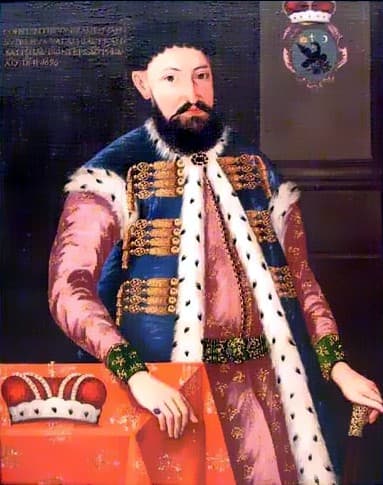
Brâncoveni Monastery is a religious site associated with the martyrdom of Prince Constantin Brâncoveanu and his sons, who were executed by the Ottoman Empire for refusing to renounce their Christian faith. The monastery, along with other significant constructions like Hurezi Monastery, is representative of the distinctive Brâncovenesc architectural style, which harmoniously blends local traditions with Neo-Byzantine and Renaissance influences. Following their martyrdom, Constantin Brâncoveanu and his family were canonized as saints by the Romanian Orthodox Church, with their feast day celebrated annually.