
Job
Male·Russia·Russian Orthodox Church
Job was the first Patriarch of Moscow and all Rus', serving from 1589 to 1605. Initially a metropolitan, his status was elevated by the Patriarch of Constantinople, establishing a patriarchate in Moscow. He played a significant role in Russian church and state affairs, particularly during the Time of Troubles, and was later canonized by the Russian Orthodox Church.
Key Facts
- ›Served as Metropolitan of Moscow and all Rus' from 1587 to 1587, and the first Patriarch of Moscow and all Rus' from 1589 to 1605.
- ›His birth name was Ioann, and he became a monk in 1551, taking the religious name Job.
- ›Appointed abbot of the Simonov Monastery in 1571 and Novospassky Monastery in 1575, then consecrated bishop of Kolomna in 1581.
- ›Was instrumental in establishing the patriarchate in Moscow with the support of Boris Godunov and Patriarch Jeremias II of Constantinople.
- ›Opposed the establishment of a university in Moscow with foreign professors due to concerns about heterodoxy.
- ›Became head of state in 1598 after the death of Tsar Feodor I and the refusal of his wife to accept the throne.
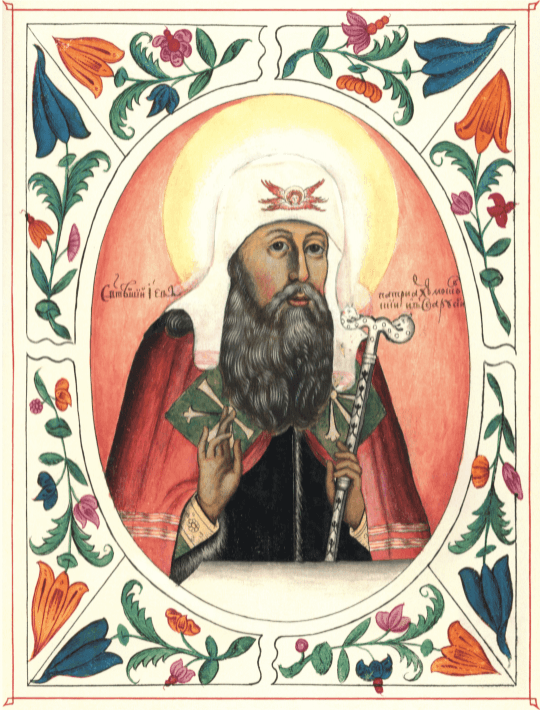
Russian Orthodox Church
Ioann (birth name), Iov
Ivan the Terrible, Boris Godunov, Jeremias Ii of Constantinople, Feodor I of Russia, Tsarevich Dmitry Ivanovich, False Dmitry I, Vasili Iv of Russia
Saint
16th century, 17th century
Patriarch
About Job
Patriarch Job of Moscow
Patriarch Job (died 19 June 1607) was a pivotal figure in the history of the Russian Orthodox Church, serving as the Metropolitan of Moscow and all Rus' from 1587 to 1589, and subsequently as the first Patriarch of Moscow and all Rus' from 1589 to 1605. His elevation to the patriarchal rank marked a significant moment in the ecclesiastical independence and prestige of the Russian Church.
Early Life and Monastic Calling
Born Ioann, he was the son of a priest. From a young age, he demonstrated a deep knowledge of biblical texts and a strong desire to become a monk. Despite his father's wishes for him to marry, Ioann entered the Uspensky Monastery in his native Staritsa near Tver in 1551, taking monastic vows and adopting the name Job. He spent fifteen years in monastic life, eventually becoming the abbot of the monastery in 1566, with the support of Ivan the Terrible.
Rise Through Church Ranks
Job was known for his humility, impeccable morals, and learning. He was transferred to Moscow in 1571 and served as abbot of the Simonov Monastery and later the Novospassky Monastery. In 1581, he was consecrated as the bishop of Kolomna. His talent for expressive prayer recitation drew the attention of Boris Godunov, who was influential in the government of Tsar Feodor I. This led to Job's appointment as archbishop of Rostov and then metropolitan of Moscow and all Russia in 1587.
Establishment of the Patriarchate
Boris Godunov, seeking to enhance ecclesiastic authority in Russia, persuaded Patriarch Jeremias II of Constantinople to establish a patriarchate in Moscow. On February 5, 1589, Job was consecrated as the first Russian patriarch. This act was confirmed by a council in Constantinople in 1590 and ratified by other Orthodox patriarchs. The decree establishing the patriarchate notably referred to the Russian tsardom as a "third Rome."
Patriarchal Ministry and State Influence
As patriarch, Job oversaw significant church activities. He supported the correction and publication of liturgical books and assisted in the canonization of Russian saints, including Basil Fool for Christ. He also favored the construction of new cathedrals and monasteries and promoted Christian missionary work in newly conquered territories like Astrakhan and Siberia. Job was cautious about foreign influence, opposing the establishment of a university staffed by non-Orthodox professors. He played a role in the official inquiry into the death of Tsarevich Dmitry Ivanovich in 1591, supporting the conclusion of accidental death.
During the interregnum following the death of Tsar Feodor I, Patriarch Job served as the head of state in 1598. He played a crucial role in urging Boris Godunov to accept the throne, heading a religious procession to implore him. Job was a staunch critic of False Dmitry I, attempting to maintain loyalty to the deceased tsar. He was formally removed from his patriarchal office on June 24, 1605, due to old age and ill health, and was exiled to his monastery in Staritsa, where he lost his sight.
Later Years and Legacy
Job returned to Moscow following the murder of False Dmitry I and the accession of Vasili IV of Russia. In February 1607, he jointly celebrated the Holy Liturgy with Patriarch Hermogen, forgiving the people of Moscow. He died in 1607. In 1989, the Russian Orthodox Church glorified him as a saint, recognizing his significant contributions and spiritual leadership. His relics were transferred to the Cathedral of the Dormition in the Moscow Kremlin in 1652.
Source: Wikipedia ↗
Frequently Asked Questions
Who was Patriarch Job?
Patriarch Job was the first Patriarch of Moscow and all Rus', serving from 1589 to 1605. He was a prominent figure in the Russian Orthodox Church and played a role in state affairs.
When was Patriarch Job active?
Job was active as Metropolitan of Moscow from 1587 to 1589 and as Patriarch of Moscow from 1589 to 1605. He died in 1607.
What was Patriarch Job's role in establishing the Moscow Patriarchate?
Job was consecrated as the first Russian patriarch in 1589 with the blessing of Patriarch Jeremias II of Constantinople. This established a patriarchate in Moscow, with the Russian tsardom referred to as a 'third Rome'.
What were some of Patriarch Job's concerns regarding the Russian Church?
Job did not approve of proposals to open a university in Moscow staffed with foreign professors, fearing their influence would spread heterodoxy and endanger the purity of the Russian Church. He also oversaw the correction of liturgical books.
What was Patriarch Job's involvement during the Time of Troubles?
After the death of Tsar Feodor I, Patriarch Job became head of state and supported Boris Godunov's candidacy for tsar. He was a critic of False Dmitry I and was formally removed from office in 1605, exiled to his monastery where he became blind.
When was Patriarch Job canonized?
The Russian Orthodox Church canonized Patriarch Job in 1989, recognizing his holiness and contributions to the church.
Related Prophets
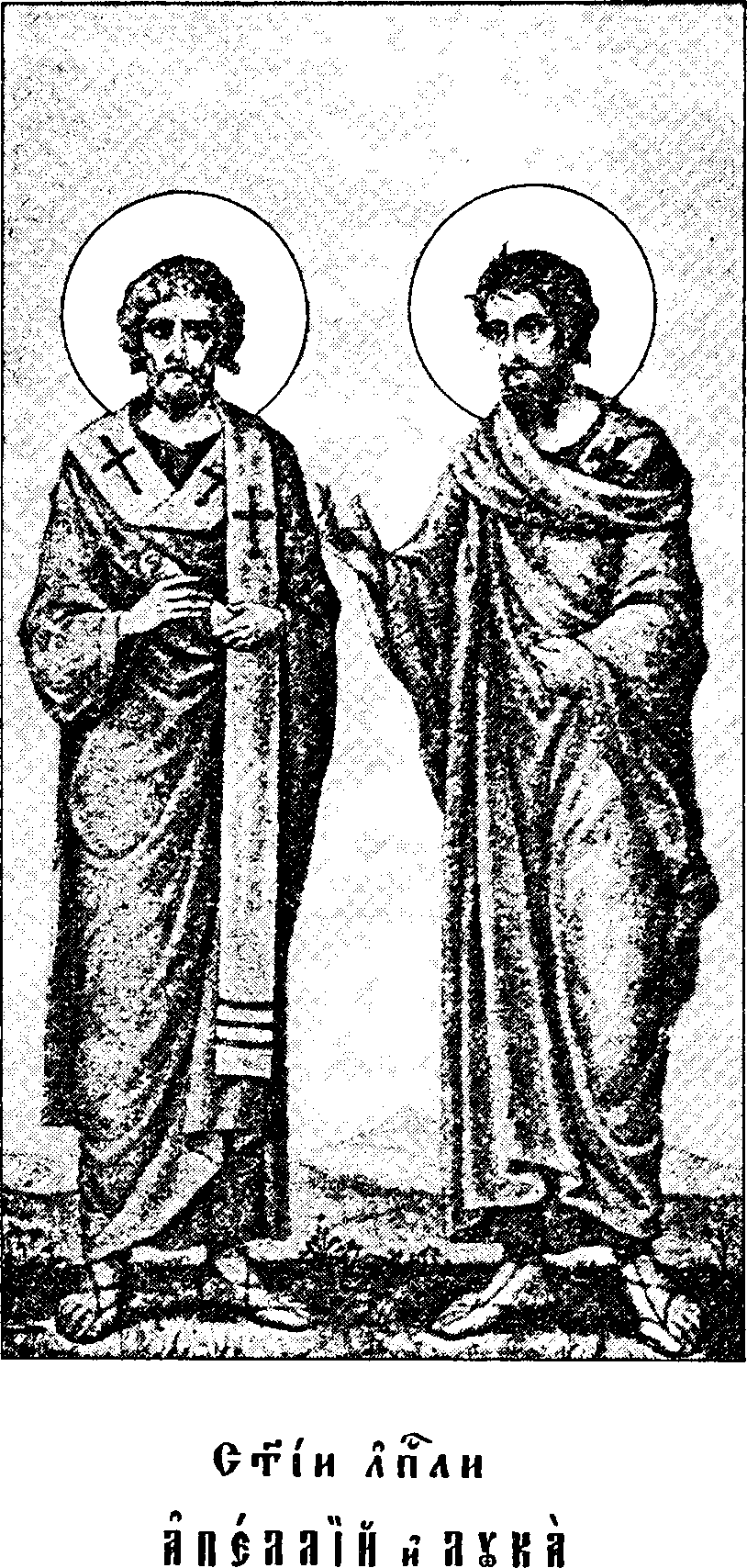
Lucius of Cyrene
Lucius of Cyrene, also known as Luke and Lucius of Laodicea, is recognized in early Christian tradition as a significant figure in the founding of the Church in Antioch. According to the Acts of the Apostles, he was among the prophets and teachers in Antioch, involved in the commissioning of Barnabas and Paul for missionary work. He is also considered by some traditions to be one of the Seventy Disciples and a bishop.

Abraham
Abraham is a foundational figure in Judaism, Christianity, and Islam, revered as the first patriarch and the progenitor of the covenant between God and the Jewish people. He is also considered a spiritual ancestor to Christians and a prophet in the chain of prophets in Islam. His narrative in the Book of Genesis centers on God's promises of land and numerous descendants.
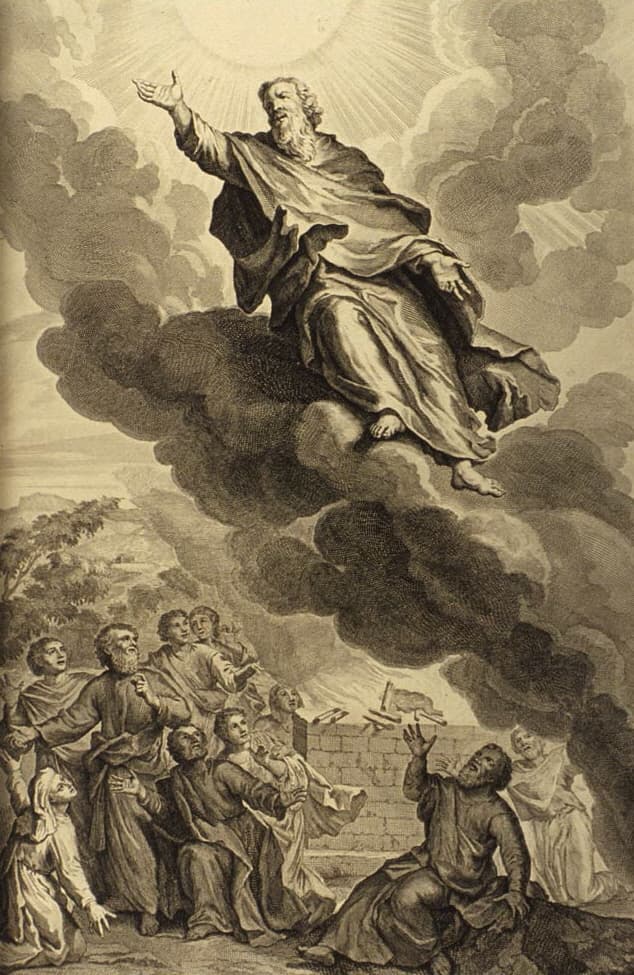
Enoch
Enoch is a pre-Flood biblical patriarch mentioned in the Book of Genesis. He is renowned for "walking with God" and being taken by God without experiencing death, a unique event interpreted as his ascension into heaven. Enoch is also associated with various apocryphal texts, most notably the Book of Enoch, and is venerated as a saint in several Christian traditions.