
Job of Moscow
Job of Moscow was the first Patriarch of the Russian Orthodox Church, serving from 1589 to 1605. He was instrumental in establishing the patriarchate in Moscow, elevating its ecclesiastical authority. Job is remembered for his role in church reforms, canonizations, and for his staunch opposition to the False Dmitry I.
Key Facts
- ›His birth name was Ioann and he took monastic vows in 1551, adopting the religious name Job.
- ›He served as Metropolitan of Moscow and all Rus' from 1587 before becoming the first Patriarch of Moscow and all Rus' in 1589.
- ›Job was consecrated as the first Russian patriarch with the blessing of Jeremias II, Patriarch of Constantinople.
- ›He opposed the establishment of a university in Moscow staffed by foreign professors, fearing the spread of heterodoxy.
- ›Job led the official inquiry into the death of Tsarevich Dmitry Ivanovich in 1591, concluding it was an accident.
- ›He briefly served as head of state in 1598 following the death of Tsar Feodor I.
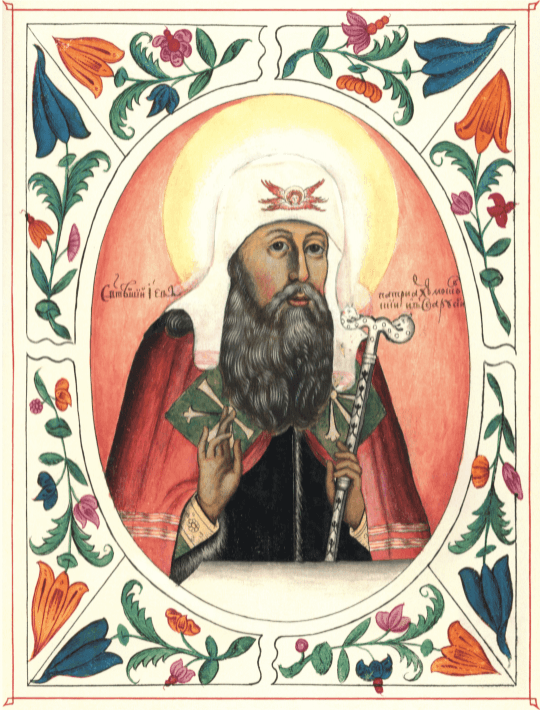
Ioann (birth name)
About Job of Moscow
Job of Moscow (died 1607) holds a pivotal position in Russian ecclesiastical history as the first Patriarch of Moscow and all Rus'. His tenure as Metropolitan of Moscow and all Rus' from 1587 to 1589 preceded his elevation to the patriarchal office, which he held from 1589 to 1605. The Russian Orthodox Church later canonized him in 1989, recognizing his significant contributions.
Early Life and Monasticism
Born Ioann, his early life was marked by a strong inclination towards monasticism. Despite his father's wishes for him to marry, Ioann, as a teenager, sought spiritual guidance. In 1551, he entered the Uspensky Monastery in Staritsa, took monastic vows, and received the religious name Job. He spent fifteen years in monastic life before being appointed abbot of the cloister in 1566.
Rise to Metropolitan and Patriarch
Job's reputation for piety, learning, and dedication to the church, particularly noted by Ivan the Terrible and later by Boris Godunov, facilitated his rise. He served as abbot of several prominent monasteries, including Simonov and Novospassky, and was consecrated bishop of Kolomna in 1581. In 1587, he was appointed archbishop of Rostov and Metropolitan of Moscow and all Russia. Godunov, seeking to increase ecclesiastical authority in Russia, orchestrated the establishment of a patriarchate in Moscow. On February 5, 1589, Job was consecrated as the first Russian patriarch by Jeremias II, the Patriarch of Constantinople, marking Moscow's claim as a "third Rome."
Patriarchal Ministry and Influence
As Patriarch, Job worked to strengthen the Russian Church. He oversaw the correction and publication of liturgical books and assisted in the canonization of several Russian saints. He also supported missionary efforts in newly conquered territories like Astrakhan and Siberia. Job expressed concern over foreign religious influence, opposing the establishment of a university staffed by non-Orthodox professors. He played a role in state affairs, notably heading the inquiry into Tsarevich Dmitry's death in 1591, which concluded it was an accidental self-inflicted wound. Following Tsar Feodor I's death, Job briefly served as head of state and was instrumental in offering the tsardom to Boris Godunov in 1598.
Later Years and Death
Job was a vocal critic of False Dmitry I and urged Muscovites to remain loyal to the former dynasty. His formal removal from office occurred in June 1605, attributed to old age and ill health, and he was exiled to Staritsa, where he lost his sight. He returned to Moscow briefly in 1607, participating in a joint liturgy with Patriarch Hermogen. Job died that year, a sick man. His relics were transferred to the Cathedral of the Dormition in the Moscow Kremlin in 1652.
Source: Wikipedia ↗
Frequently Asked Questions
Who was Job of Moscow?
Job of Moscow was the first Patriarch of the Russian Orthodox Church, serving from 1589 to 1605. He was also previously the Metropolitan of Moscow and all Rus'.
Why is Job of Moscow important?
He is important as the first patriarch, which solidified the independence of the Russian Orthodox Church. He also played a significant role in state affairs during a turbulent period in Russian history.
What was Job's role in establishing the Patriarchate of Moscow?
Job, with the support of Boris Godunov, persuaded Jeremias II, the Patriarch of Constantinople, to establish a patriarchate in Moscow, and Job was consecrated as its first holder.
What were Job's views on foreign influence?
Job was wary of foreign influence, particularly in religious matters. He opposed the idea of opening a university in Moscow staffed by foreign professors, fearing it would endanger the purity of the Russian Church.
What was Job's involvement in the death of Tsarevich Dmitry?
Job headed the official inquiry into the death of Tsarevich Dmitry Ivanovich in 1591. He concluded that the tsarevich had accidentally stabbed himself, a verdict that supported Boris Godunov.
What happened to Job after the reign of Boris Godunov?
After Boris Godunov's rule ended and False Dmitry I rose to power, Job was removed from office and exiled to his monastery in Staritsa, where he became blind. He returned to Moscow briefly before his death.
Related Saints
Ephraim of Antioch
Saint Ephraim of Antioch was the Patriarch of Antioch from 527 to 545 and a prominent figure in the Eastern Orthodox and Catholic Churches. A former military general, he became a monk and then patriarch, dedicating his tenure to rebuilding Antioch after earthquakes and defending Chalcedonian orthodoxy against non-Chalcedonian factions. He is remembered for his administrative, military, and theological roles.
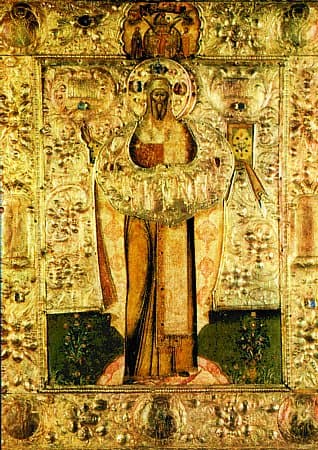
Euthymius II of Novgorod
Euthymius II of Novgorod served as the Archbishop of Novgorod from 1429 to 1458. He is distinguished as one of the most significant patrons of arts and architecture among all Novgorodian archbishops. His extensive building projects and promotion of local saints and legends left a lasting cultural legacy.
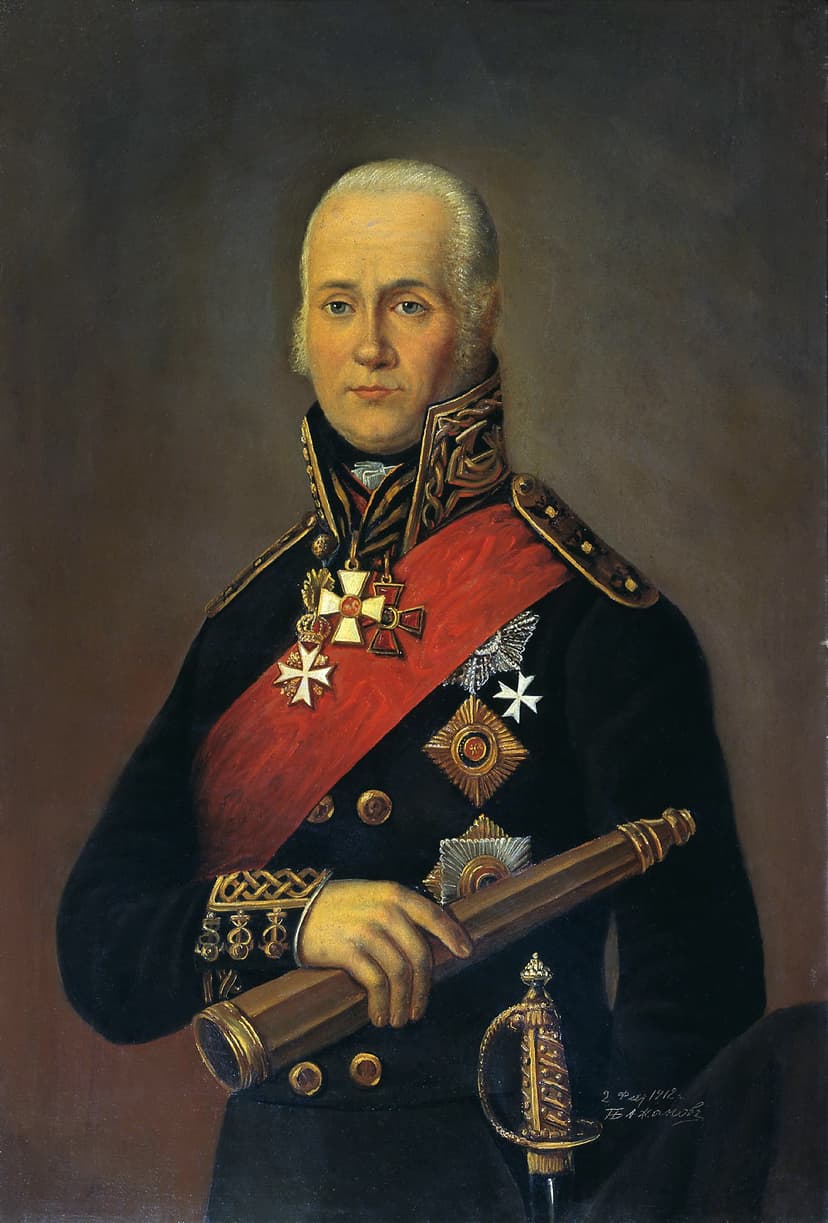
Theodore the Admiral
Fyodor Ushakov was an Imperial Russian Navy admiral renowned for his undefeated record in naval battles. He is celebrated for his innovative tactics and his significant role in campaigns during the French Revolutionary and Napoleonic Wars. He was later canonized as a saint by the Russian Orthodox Church and is considered the patron of the Russian Navy.