
Ephraim of Antioch
June 8·6th century·Syria
Saint Ephraim of Antioch was the Patriarch of Antioch from 527 to 545 and a prominent figure in the Eastern Orthodox and Catholic Churches. A former military general, he became a monk and then patriarch, dedicating his tenure to rebuilding Antioch after earthquakes and defending Chalcedonian orthodoxy against non-Chalcedonian factions. He is remembered for his administrative, military, and theological roles.
Key Facts
- ›Ephraim was born in Amida in the fifth century and was fluent in Greek and Syriac.
- ›He served as a military general and later as comes Orientis, undertaking stern measures against rioting factions.
- ›After experiencing a vision during the reconstruction of Antioch following an earthquake, he became a monk and was consecrated Patriarch of Antioch in 527.
- ›Ephraim played a significant role in defending Chalcedonian orthodoxy, including enforcing edicts against the writings of Severus of Antioch and persecuting opponents.
- ›He was involved in diplomatic efforts, including warning Pope Agapetus I about non-Chalcedonian influence and conspiring in the imprisonment of John of Tella.
- ›During the Sasanian siege of Antioch in 540, he fled the city but later helped spare its destruction by paying the besiegers.
- ›He condemned Origen and his doctrines at a synod in Antioch in 542.
- ›Ephraim initially refused to condemn the three Chapters but agreed under duress from Emperor Justinian I.
Ephraim of Amida
Omophorion
About Ephraim of Antioch
Saint Ephraim of Antioch, also known as Saint Ephraim of Amida, was a significant ecclesiastical figure who served as the Patriarch of Antioch from 527 until his death in 545. He is venerated as a saint in both the Eastern Orthodox and Catholic Churches, with his feast day observed on June 8.
Life and Ministry
Born in Amida in the fifth century, Ephraim was educated in both Greek and Syriac. His early career was marked by service in the civil government and as a military general during the reigns of Emperors Anastasius and Justin I. He held the important position of comes Orientis, where he implemented stern measures to quell civil unrest. His administrative capabilities were recognized, leading to his admission to the senate.
Ephraim's path to the patriarchate was influenced by a vision he experienced during the reconstruction of Antioch after a devastating earthquake in 526. Prophesied to become Patriarch, he embraced a monastic life before his consecration. As Patriarch, he faced numerous challenges, including further earthquakes that necessitated extensive rebuilding efforts. He is credited with leading the city through these crises, earning it the name Theopolis (City of God) after a seismic event reportedly ceased following his exhortations.
Defense of Orthodoxy
A significant aspect of Ephraim's patriarchate was his unwavering commitment to Chalcedonian orthodoxy. He actively worked to counter the influence of non-Chalcedonian factions, enforcing imperial edicts against their theological leaders and persecuting their adherents. He engaged in theological correspondence, notably with Anthimus, Patriarch of Constantinople, and played a role in the deposition of Anthimus through his communication with Pope Agapetus I. Ephraim also undertook tours to enforce the Council of Chalcedon and held synods that condemned theological opponents.
Later Years and Legacy
Ephraim's later years were marked by further conflicts, including the Sasanian siege of Antioch in 540, from which he temporarily fled but later helped to mitigate the damage. He also addressed the issue of Origenism, convening a synod to condemn its followers. In the complex theological landscape of the era, he eventually, under imperial pressure, agreed to condemn the Three Chapters, though he communicated his reservations to Pope Vigilius. Ephraim's tenure as Patriarch was a period of considerable upheaval and theological contention, during which he served as a key defender of the established Church doctrine.
Source: Wikipedia ↗
Frequently Asked Questions
When did Ephraim of Antioch serve as Patriarch?
Ephraim of Antioch served as the Patriarch of Antioch from 527 until his death in 545. This period was marked by significant political and religious challenges in the Byzantine Empire.
What was Ephraim's background before becoming Patriarch?
Before his consecration as Patriarch, Ephraim had a distinguished career in civil government and military service. He held the position of comes Orientis and served as a military general under Emperors Anastasius and Justin I.
What major events occurred in Antioch during Ephraim's patriarchate?
Antioch suffered several devastating earthquakes during Ephraim's time as patriarch, which he actively helped the city to rebuild from. The city also faced invasions and internal religious strife.
What was Ephraim's stance on theological issues?
Ephraim was a staunch defender of the Council of Chalcedon and actively worked against non-Chalcedonian factions. He enforced edicts against the writings of Severus of Antioch and condemned Origen and his doctrines.
How did Ephraim react to the Sasanian siege of Antioch?
When the Sasanian forces besieged Antioch in 540, Ephraim attempted to pay them to lift the siege. Although he fled the city during the occupation, he later paid precious objects to prevent its destruction.
Related Saints
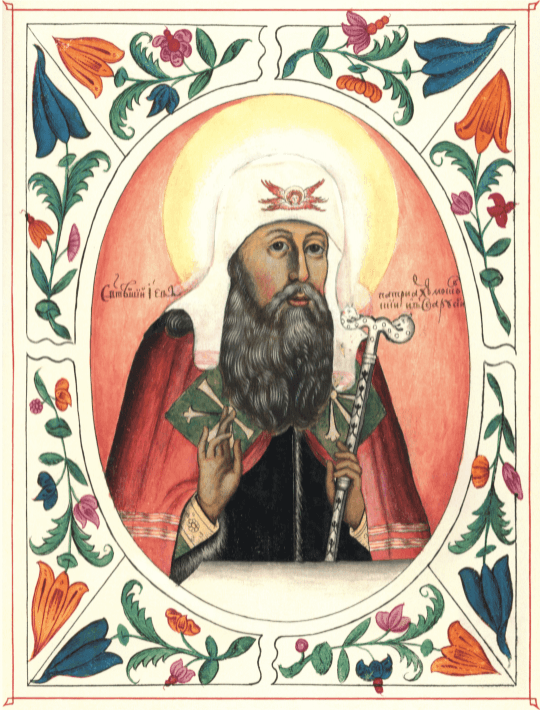
Job of Moscow
Job of Moscow was the first Patriarch of the Russian Orthodox Church, serving from 1589 to 1605. He was instrumental in establishing the patriarchate in Moscow, elevating its ecclesiastical authority. Job is remembered for his role in church reforms, canonizations, and for his staunch opposition to the False Dmitry I.
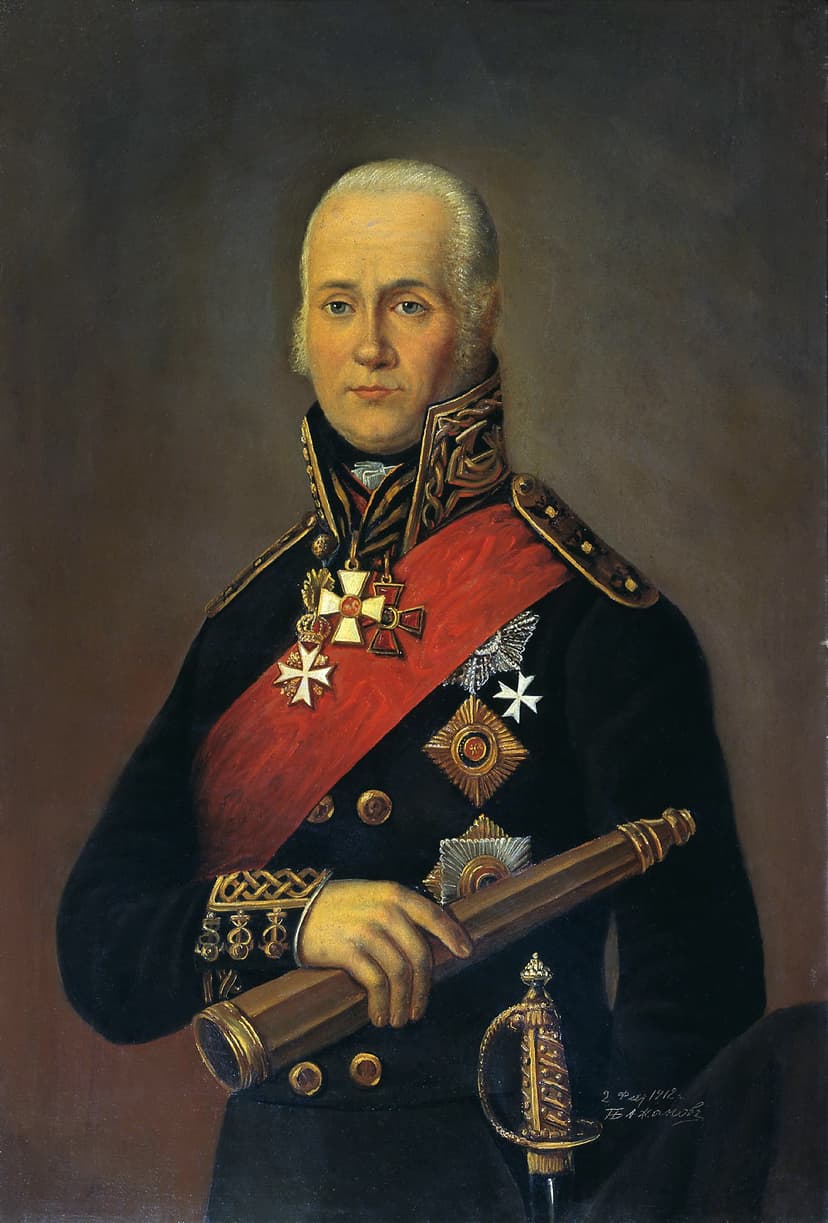
Theodore the Admiral
Fyodor Ushakov was an Imperial Russian Navy admiral renowned for his undefeated record in naval battles. He is celebrated for his innovative tactics and his significant role in campaigns during the French Revolutionary and Napoleonic Wars. He was later canonized as a saint by the Russian Orthodox Church and is considered the patron of the Russian Navy.
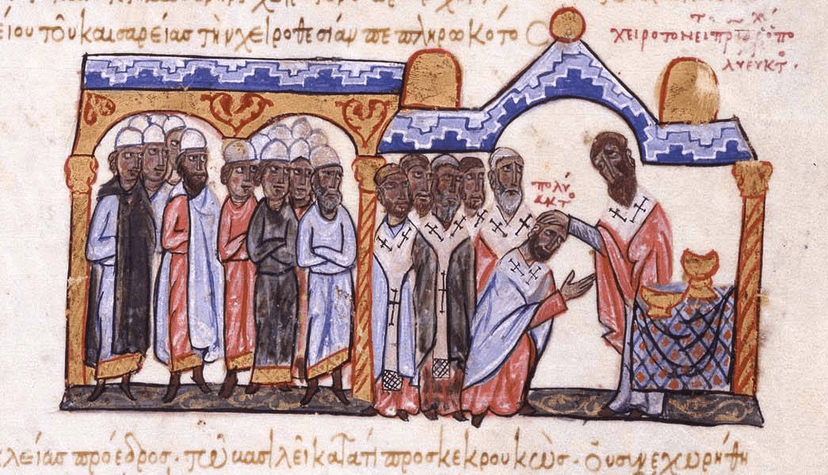
Polyeuctus of Constantinople
Polyeuctus of Constantinople was the Ecumenical Patriarch of Constantinople from 956 to 970. Revered for his intellect, zeal for the Faith, and powerful oratory, he was often called a "second Chrysostom." He is remembered for his significant actions during his patriarchate, including baptizing Princess Olga of Kyiv and excommunicating Emperor Nikephoros II Phokas.