
Polyeuctus of Constantinople
February 5·10th century·Byzantine Empire
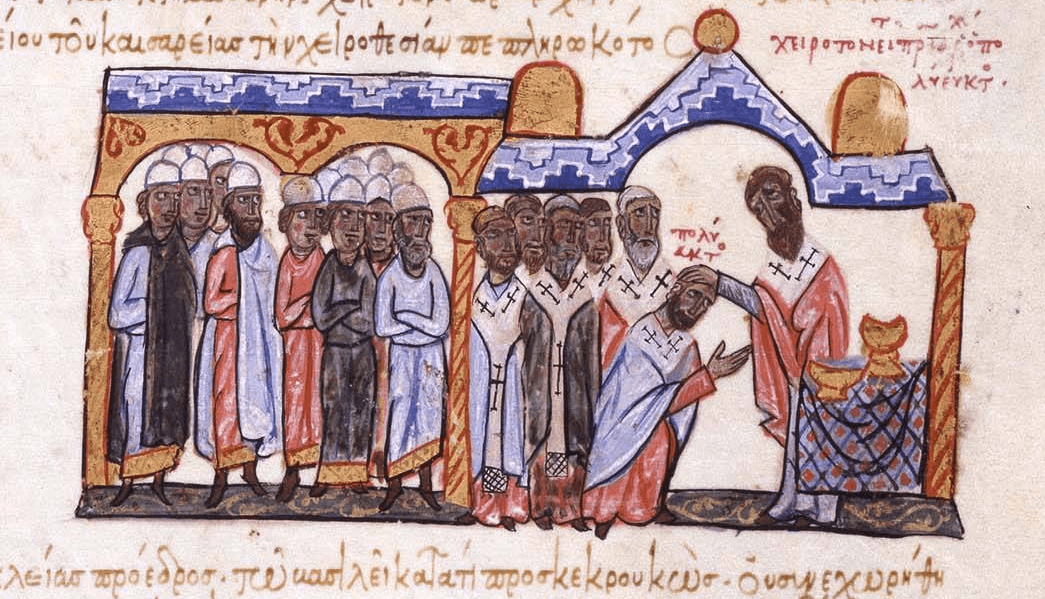
Polyeuctus of Constantinople was the Ecumenical Patriarch of Constantinople from 956 to 970. Revered for his intellect, zeal for the Faith, and powerful oratory, he was often called a "second Chrysostom." He is remembered for his significant actions during his patriarchate, including baptizing Princess Olga of Kyiv and excommunicating Emperor Nikephoros II Phokas.
Key Facts
- ›He served as Ecumenical Patriarch of Constantinople from 956 to 970.
- ›He was raised from being a monk to the patriarchal throne.
- ›He was known for his great mind, zeal for the Faith, and power of oratory.
- ›He baptized Princess Olga of Kyiv in 957.
- ›He excommunicated Emperor Nikephoros II Phokas for marrying Theophano.
- ›He refused to crown Emperor John I Tzimiskes until assassins were punished.
About Polyeuctus of Constantinople
Polyeuctus served as the Ecumenical Patriarch of Constantinople from 956 until his death on February 5, 970. His tenure as patriarch was marked by significant religious and political interventions, and he is remembered for his intellectual prowess and spiritual fervor.
Life and historical context
Raised from the humble status of a monk, Polyeuctus ascended to the patriarchal throne in 956, succeeding Theophylact Lekapenos. He remained in this position until his death. His intellect, zeal for the Faith, and powerful oratory earned him the distinction of being called a "second Chrysostom." Although his position was initially secured through the support of Constantine VII, Polyeuctus did not always exhibit unwavering loyalty, notably questioning the legitimacy of Constantine's parents' marriage and restoring the reputation of Patriarch Euthymius I, who had opposed it.
Major contributions and actions
During his patriarchate, Polyeuctus undertook several notable actions. In 957, he baptized the Russian Princess Olga of Kyiv, with Emperor Constantine VII acting as her godfather. Polyeuctus famously prophesied blessedness for her among Russian women for embracing Christianity. He also elevated Bishop Petrus of Otranto to metropolitan in 958, tasking him with establishing the Greek Rite in his province. A significant political act was his excommunication of Emperor Nikephoros II Phokas for marrying Theophano, on the grounds that he had been a godfather to her sons. Polyeuctus had previously denied Nikephoros communion for a year due to a second marriage.
Furthermore, Polyeuctus excommunicated the assassins of Emperor Nikephoros II Phokas. He refused to crown the new emperor, John I Tzimiskes, until the perpetrators were punished and Empress Theophano, who was implicated in her husband's assassination, was exiled.
Legacy
Polyeuctus's patriarchate left a notable mark on the Byzantine Empire. His decisive actions in both spiritual and secular matters, particularly his confrontations with imperial authority and his role in the Christianization of Rus', underscore his influential position. His reputation as a formidable church leader and orator solidified his place in the history of the Patriarchate of Constantinople.
Source: Wikipedia ↗
Frequently Asked Questions
When was Polyeuctus Patriarch of Constantinople?
Polyeuctus served as the Ecumenical Patriarch of Constantinople from 956 until his death on February 5, 970. This period spanned over a decade of his leadership in the Eastern Orthodox Church.
What was Polyeuctus known for?
He was renowned for his sharp intellect, his ardent zeal for the Christian faith, and his powerful oratorical skills, earning him the epithet "second Chrysostom." He also played a significant role in Byzantine political and religious affairs during his tenure.
What role did Polyeuctus play in the baptism of Princess Olga of Kyiv?
Polyeuctus was the officiating patriarch who baptized Princess Olga of Kyiv when she visited Constantinople in 957. The Byzantine Emperor Constantine VII stood as her godfather during the ceremony.
Why did Polyeuctus excommunicate Emperor Nikephoros II Phokas?
Polyeuctus excommunicated Emperor Nikephoros II Phokas primarily because the emperor married Theophano, who was the godmother to one or more of her sons. This union was deemed unacceptable by the patriarch.
What was Polyeuctus's stance on the assassins of Emperor Nikephoros II Phokas?
Polyeuctus excommunicated the assassins who murdered Emperor Nikephoros II Phokas. He also refused to crown the new emperor, John I Tzimiskes, until the assassins were punished and Empress Theophano was exiled.
Related Saints
Mesrop the Translator
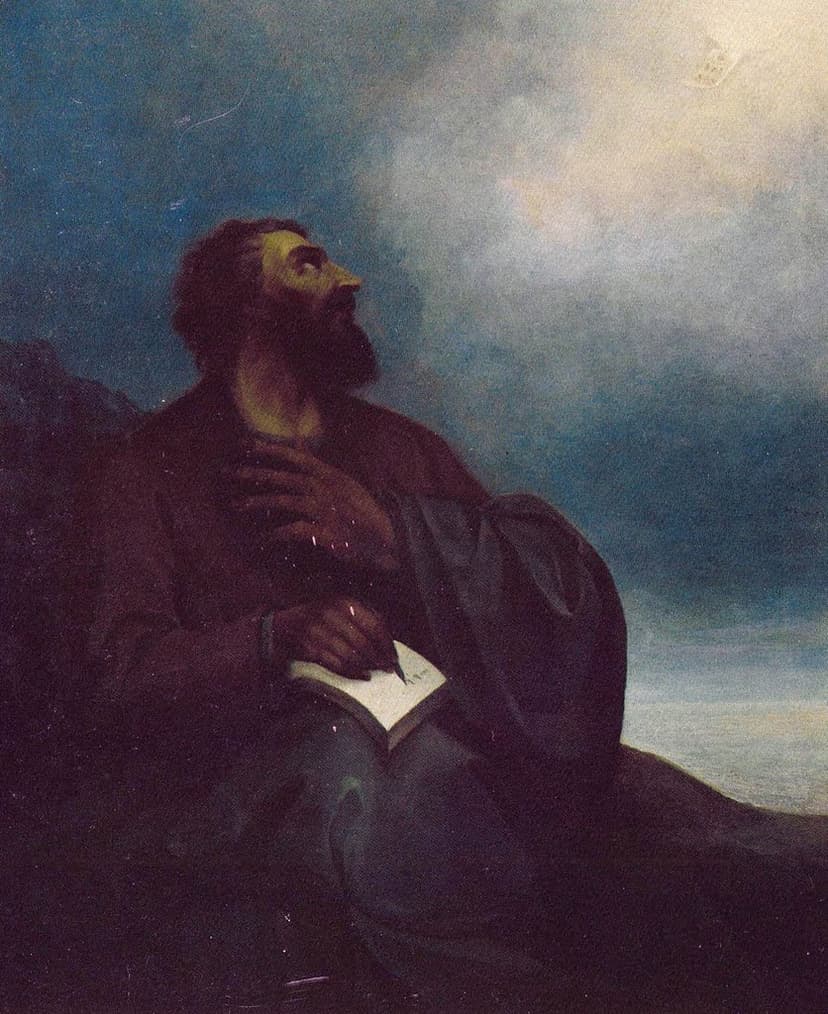
Mesrop Mashtots was an Armenian linguist, composer, theologian, statesman, and hymnologist, venerated as a saint in the Armenian Apostolic Church. He is most renowned for inventing the Armenian alphabet around 405 AD, a pivotal development in solidifying Armenian national identity. His work is also credited with the creation of the Caucasian Albanian and possibly the Georgian scripts, though this remains a subject of scholarly debate.
Job of Moscow
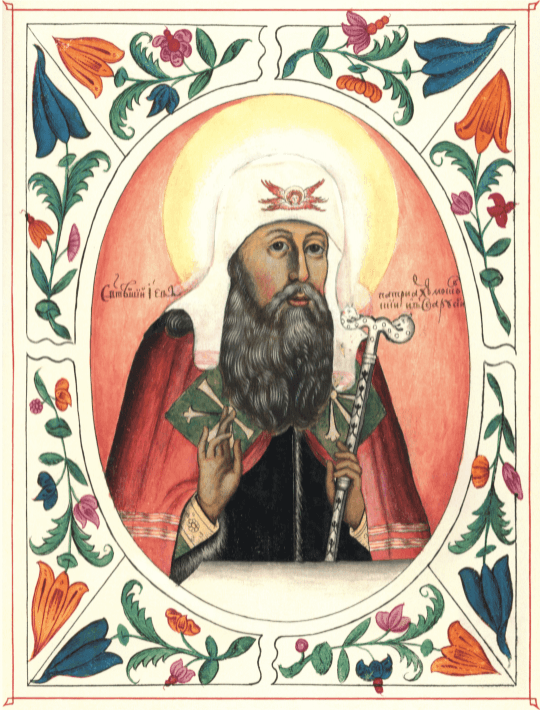
Job of Moscow was the first Patriarch of the Russian Orthodox Church, serving from 1589 to 1605. He was instrumental in establishing the patriarchate in Moscow, elevating its ecclesiastical authority. Job is remembered for his role in church reforms, canonizations, and for his staunch opposition to the False Dmitry I.
Theodore the Admiral
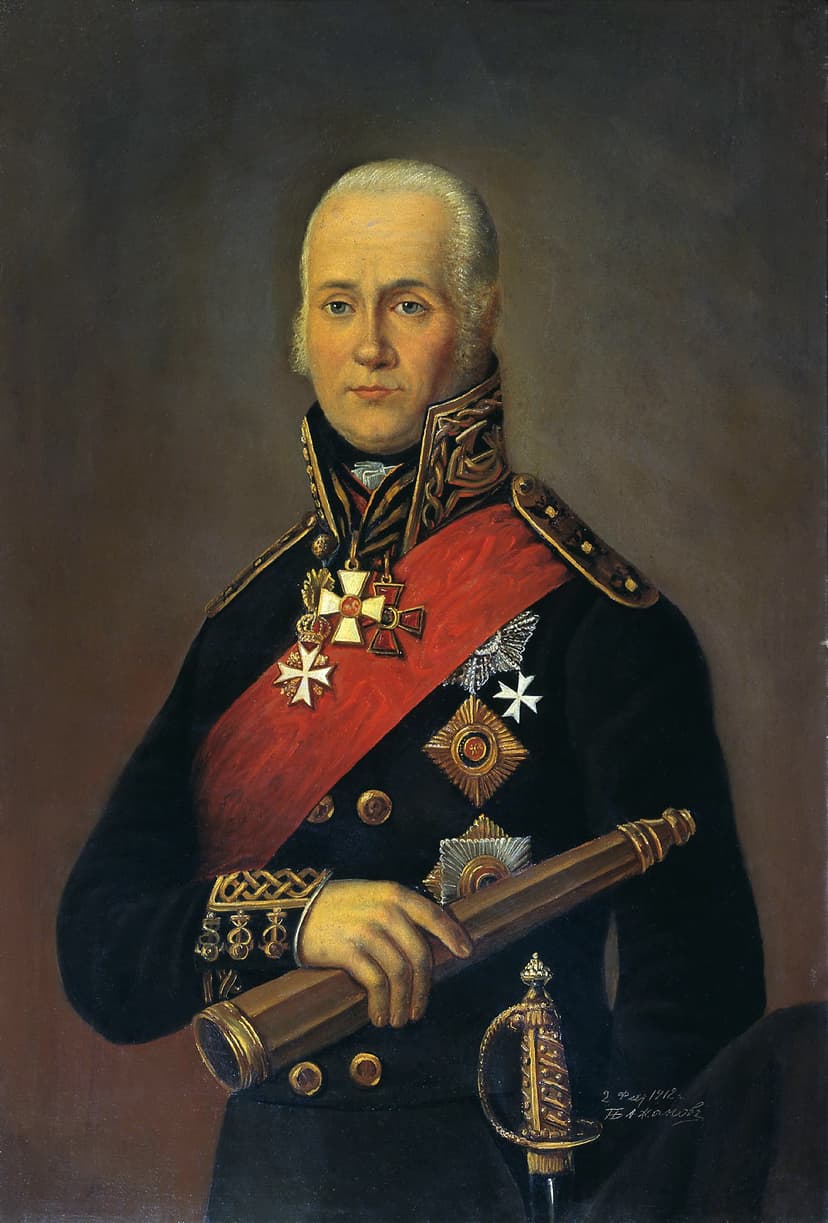
Fyodor Ushakov was an Imperial Russian Navy admiral renowned for his undefeated record in naval battles. He is celebrated for his innovative tactics and his significant role in campaigns during the French Revolutionary and Napoleonic Wars. He was later canonized as a saint by the Russian Orthodox Church and is considered the patron of the Russian Navy.