
Mesrop the Translator
February 17·5th century·Armenia
Mesrop Mashtots was an Armenian linguist, composer, theologian, statesman, and hymnologist, venerated as a saint in the Armenian Apostolic Church. He is most renowned for inventing the Armenian alphabet around 405 AD, a pivotal development in solidifying Armenian national identity. His work is also credited with the creation of the Caucasian Albanian and possibly the Georgian scripts, though this remains a subject of scholarly debate.
Key Facts
- ›Mesrop Mashtots invented the Armenian alphabet circa 405 AD.
- ›He was a linguist, composer, theologian, statesman, and hymnologist.
- ›His work is considered fundamental to Armenian national identity and literature.
- ›He may have also created the Caucasian Albanian and Georgian scripts.
- ›He is venerated as a saint in the Armenian Apostolic Church and Armenian Catholic Church.
- ›He died on February 17, 440 AD.
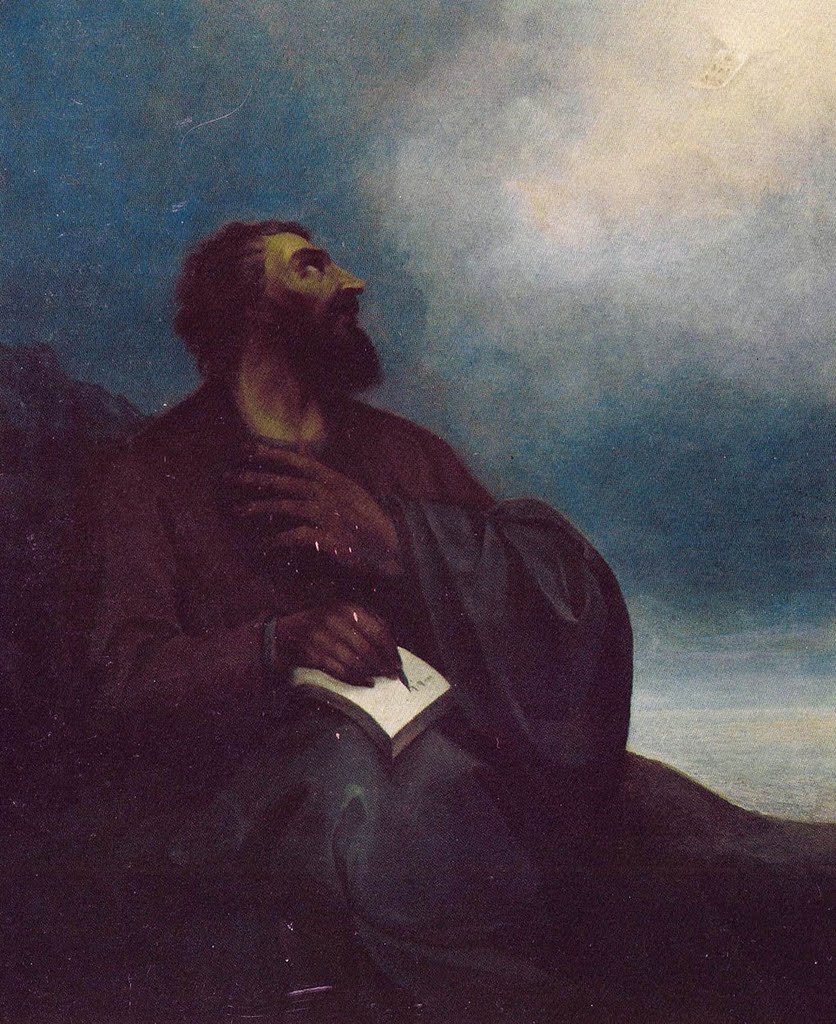
Mesrop, Mashtots
Oriental Orthodox Churches, Armenian Catholic Church
Armenian Language, Armenian Literature, Armenian Identity
Armenian Alphabet
About Mesrop the Translator
Mesrop Mashtots (c. 362 – 440 AD)
Mesrop Mashtots was a pivotal figure in Armenian history, renowned as a linguist, composer, theologian, statesman, and hymnologist. He is venerated as a saint in the Armenian Apostolic Church and the Armenian Catholic Church. His most significant contribution, and what he is chiefly remembered for, was the invention of the Armenian alphabet around 405 AD. This development was fundamental in strengthening Armenian national identity, fostering a unique literature, and preserving the language against external cultural pressures.
Life and Work
Born in the village of Hatsekats in the Taron region, Mashtots received a comprehensive education, mastering Greek, Persian, and Syriac in addition to his native Armenian. He began his career at the royal court of King Khosrov III, serving as a royal secretary and later in military roles. Around 394 AD, he embraced clerical life, becoming a monk and later an ascetic hermit. He then embarked on missionary work, gathering disciples and spreading Christianity among Armenians, many of whom were still pagan.
Mashtots's most enduring legacy is the creation of the Armenian alphabet, which allowed for the translation of religious texts and the development of a distinct national literature. He founded numerous schools across Armenia to teach the new alphabet and was instrumental in translating the Holy Scriptures, liturgical texts, and works of Greek Fathers into Armenian. The translation of the Bible from Greek, completed around 434 AD, became the standard version used in the Armenian Church. Medieval sources also attribute the creation of the Caucasian Albanian and possibly the Georgian scripts to his efforts.
Legacy and Veneration
Modern Armenian scholarship regards Mashtots as the founder of Armenian literature and education, the "greatest enlightener" of the Armenian people, and a symbol of Armenian language, church, and school. His invention is seen as having preserved Armenian identity and culture, preventing assimilation by the Persian and Syrian empires. He is compared to Moses for his role in bringing a divine gift to his people, and to Gregory the Illuminator as a "second illuminator" of Armenia.
Mesrop Mashtots is commemorated by the Armenian Apostolic Church with two major feast days: the Feast of the Holy Translators and the Feast of Sahak and Mashtots. He is listed in the Roman Martyrology of the Roman Catholic Church, with his feast day observed on February 17. Pilgrimages are made to his tomb at a chapel in Oshakan, a historical village southwest of Ashtarak. The Order of St. Mesrop Mashtots, established by the Armenian government in 1993, is awarded for outstanding achievements in various fields, honoring his lasting influence.
Source: Wikipedia ↗
Frequently Asked Questions
When was the Armenian alphabet invented?
The Armenian alphabet was invented by Mesrop Mashtots around 405 AD. This invention was a crucial step in the development of Armenian literature and national identity.
Who was Mesrop Mashtots?
Mesrop Mashtots was an Armenian linguist, composer, theologian, statesman, and hymnologist. He is primarily remembered for creating the Armenian alphabet.
What is Mesrop Mashtots remembered for?
He is chiefly remembered for inventing the Armenian alphabet, which was instrumental in strengthening Armenian national identity and fostering a distinct national literature and culture.
Is Mesrop Mashtots a saint?
Yes, Mesrop Mashtots is venerated as a saint in the Armenian Apostolic Church and the Armenian Catholic Church. He is sometimes referred to as 'The Saint of Oshakan'.
Did Mesrop Mashtots create other alphabets?
Medieval Armenian sources claim that Mashtots also invented the Georgian and Caucasian Albanian alphabets around the same time. However, the creation of the Georgian script is a subject of scholarly debate.
When did Mesrop Mashtots die?
Mesrop Mashtots died on February 17, 440 AD. He is buried at a chapel in Oshakan, Armenia.
Related Saints
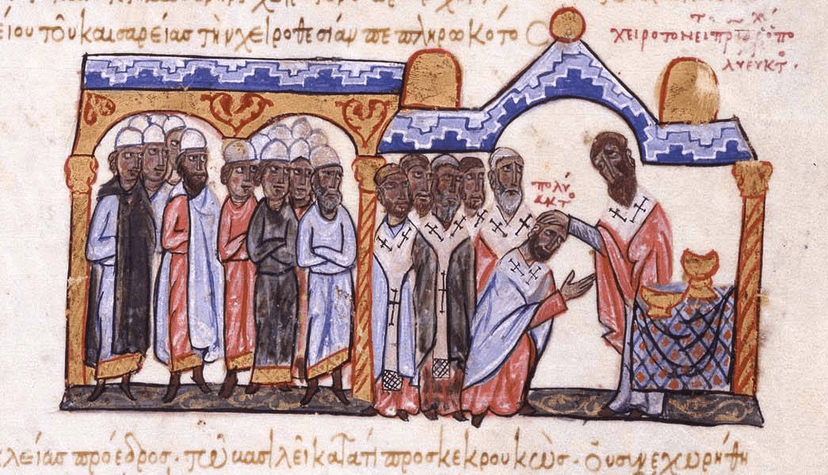
Polyeuctus of Constantinople
Polyeuctus of Constantinople was the Ecumenical Patriarch of Constantinople from 956 to 970. Revered for his intellect, zeal for the Faith, and powerful oratory, he was often called a "second Chrysostom." He is remembered for his significant actions during his patriarchate, including baptizing Princess Olga of Kyiv and excommunicating Emperor Nikephoros II Phokas.
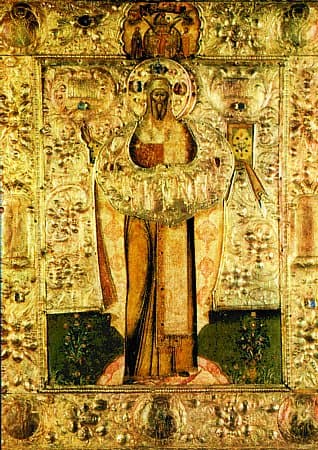
Euthymius II of Novgorod
Euthymius II of Novgorod served as the Archbishop of Novgorod from 1429 to 1458. He is distinguished as one of the most significant patrons of arts and architecture among all Novgorodian archbishops. His extensive building projects and promotion of local saints and legends left a lasting cultural legacy.
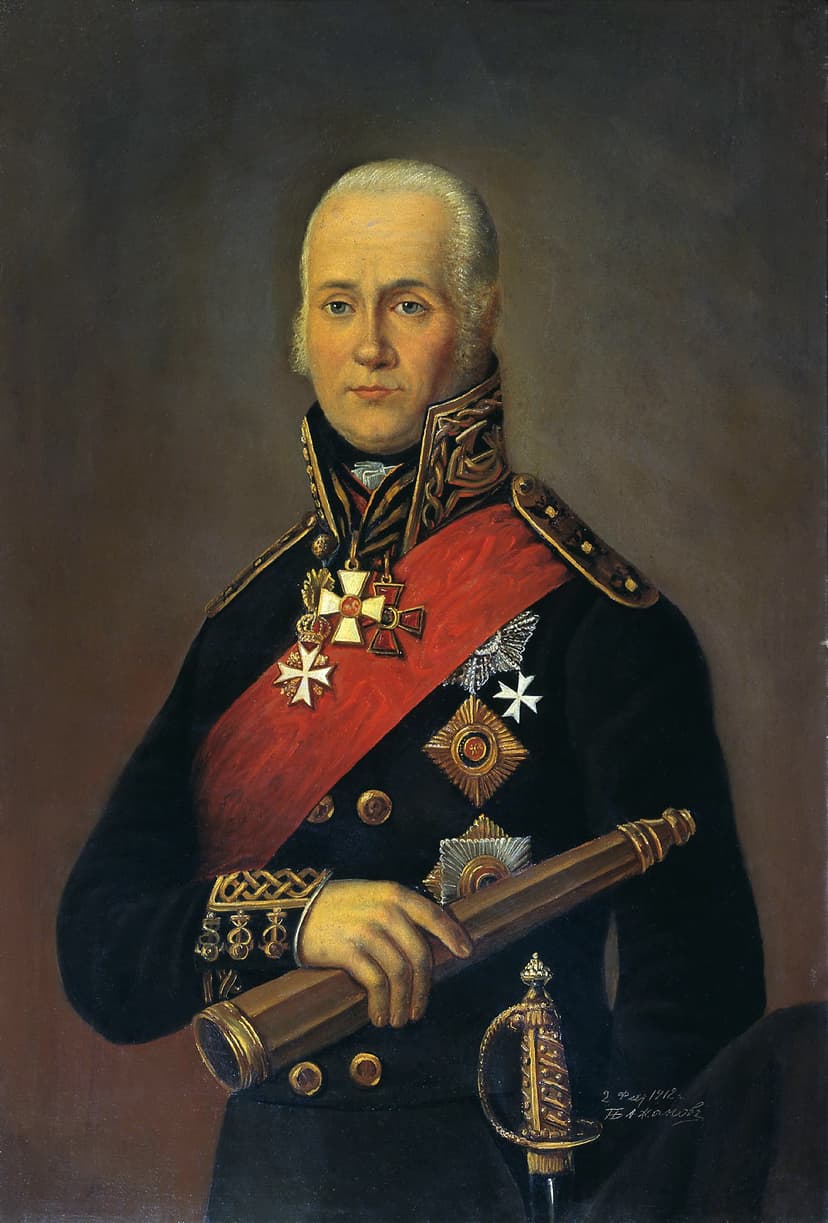
Theodore the Admiral
Fyodor Ushakov was an Imperial Russian Navy admiral renowned for his undefeated record in naval battles. He is celebrated for his innovative tactics and his significant role in campaigns during the French Revolutionary and Napoleonic Wars. He was later canonized as a saint by the Russian Orthodox Church and is considered the patron of the Russian Navy.