
Euthymius II of Novgorod
March 11 OS/March 24·15th century·Russia
Euthymius II of Novgorod served as the Archbishop of Novgorod from 1429 to 1458. He is distinguished as one of the most significant patrons of arts and architecture among all Novgorodian archbishops. His extensive building projects and promotion of local saints and legends left a lasting cultural legacy.
Key Facts
- ›Euthymius II was Archbishop of Novgorod from 1429 to 1458.
- ›He was a major patron of arts and architecture, rebuilding over a dozen churches.
- ›Notable buildings attributed to him include the Palace of Facets and the belfry near the Cathedral of Holy Wisdom.
- ›Euthymius canonized predecessors and promoted the veneration of Novgorodian saints, commissioning hagiographic works.
- ›He died on March 11, 1458, and was buried in the Vyazhishchsky Monastery.
- ›He was formally canonized by the Russian Orthodox Church in 1549.
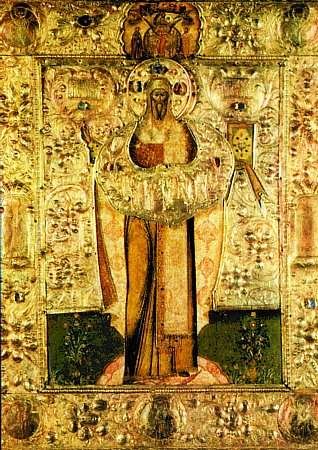
Evfimy II
About Euthymius II of Novgorod
Euthymius II, also known as Evfimy II, served as the Archbishop of Novgorod from 1429 to 1458. He is widely regarded as one of the most significant patrons of the arts and architecture in Novgorod's history, leaving a substantial imprint on the city's cultural and religious landscape.
Life and Ministry
Born Ioann or Ivan, Euthymius was the son of a priest. He began his monastic life at the Listitsa Hill Monastery before transferring to the Vyazhishchsky Monastery, from which he derived one of his epithets. His election as archbishop by the veche in 1429 followed the death of his predecessor, Euthymius I. His consecration, however, took place in Smolensk rather than Moscow, causing some friction with Muscovite authorities.
Cultural Patronage and Legacy
Euthymius II's tenure was marked by extensive cultural patronage. He initiated the building or rebuilding of more than a dozen churches, often restoring them in their original architectural styles. Notable structures from his patronage include the Palace of Facets, the belfry, and the clocktower near the Cathedral of Holy Wisdom. He also championed the veneration of Novgorodian saints, canonizing several of his predecessors and commissioning hagiographical works from writers like Pachomius the Serb. This focus on local history and spirituality meant that Euthymius himself became a subject of hagiography, solidifying his status as a cultural icon.
Later Life and Sainthood
Euthymius ceased active participation in public affairs around 1456, possibly influenced by the political and military setbacks Novgorod faced. He died on March 11, 1458, and was buried in the Vyazhishchskii Monastery. His "Life" appeared in early liturgical books, and he was formally canonized by the Russian Orthodox Church in 1549. His relics were reported to be incorrupt, and they are now venerated in the Church of St. Euthymius in the Viazhishchskii Monastery.
Source: Wikipedia ↗
Frequently Asked Questions
Who was Euthymius II of Novgorod?
Euthymius II was the Archbishop of Novgorod from 1429 to 1458. He is recognized as a highly influential patron of arts and architecture during his tenure.
What is Euthymius II remembered for?
He is chiefly remembered for his extensive building projects, which included the reconstruction of numerous churches and secular structures in Novgorod. He also played a key role in promoting the veneration of local saints.
What notable buildings did Euthymius II patronize?
Among his significant architectural contributions are the Palace of Facets, the belfry near the Cathedral of Holy Wisdom, and the rebuilding of over a dozen churches, some of which still stand today.
When was Euthymius II canonized?
Euthymius II was formally canonized by the Russian Orthodox Church's Moscow Council in 1549. His feast day is celebrated on March 11 (Old Style) or March 24 (Gregorian Calendar).
Where are Euthymius II's relics located?
His relics are housed in a glass-covered sarcophagus in the Church of St. Euthymius in the Viazhishchskii Monastery, where he was a monk.
Was Euthymius II's body preserved?
According to historical accounts, upon disinterring his remains, they were said to have been incorrupt, a significant aspect of his veneration.
Related Saints
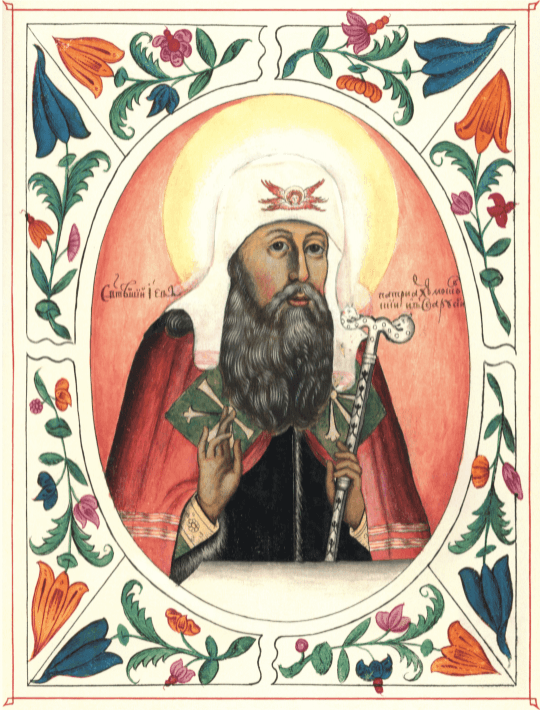
Job of Moscow
Job of Moscow was the first Patriarch of the Russian Orthodox Church, serving from 1589 to 1605. He was instrumental in establishing the patriarchate in Moscow, elevating its ecclesiastical authority. Job is remembered for his role in church reforms, canonizations, and for his staunch opposition to the False Dmitry I.
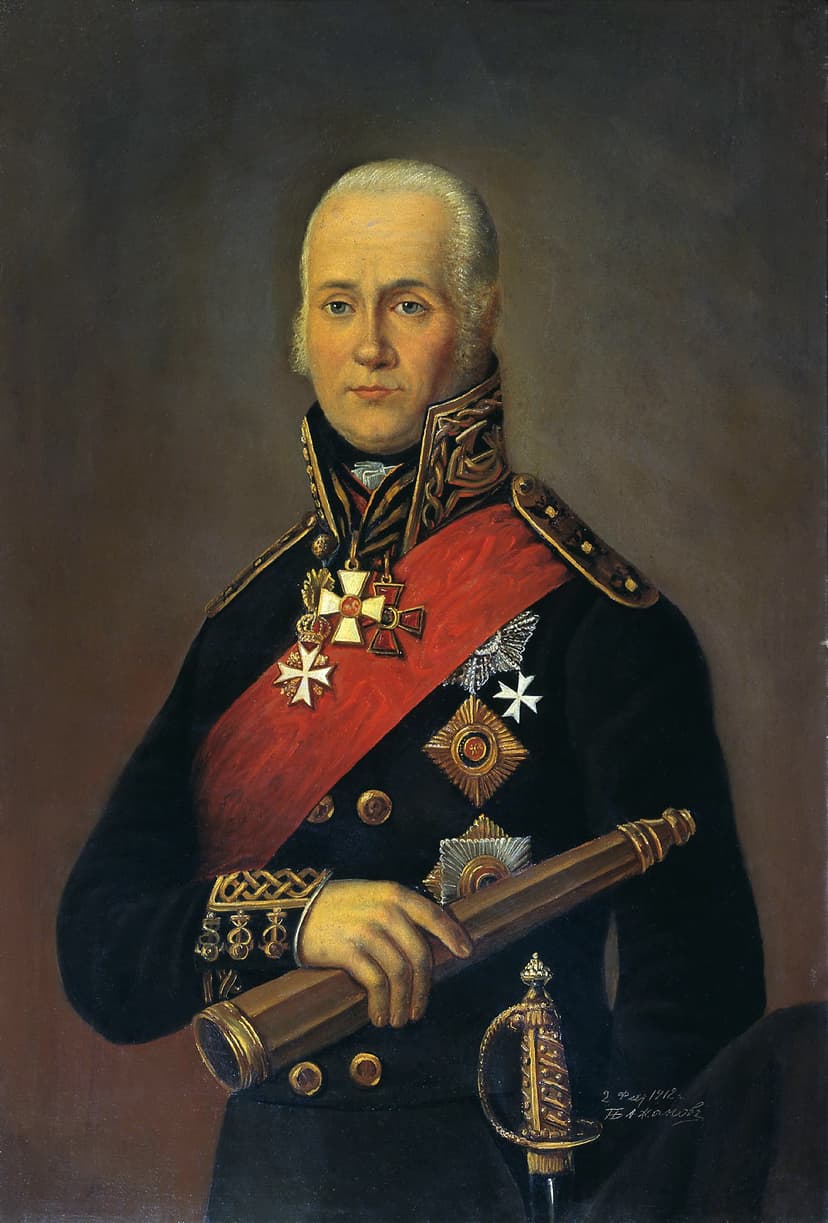
Theodore the Admiral
Fyodor Ushakov was an Imperial Russian Navy admiral renowned for his undefeated record in naval battles. He is celebrated for his innovative tactics and his significant role in campaigns during the French Revolutionary and Napoleonic Wars. He was later canonized as a saint by the Russian Orthodox Church and is considered the patron of the Russian Navy.
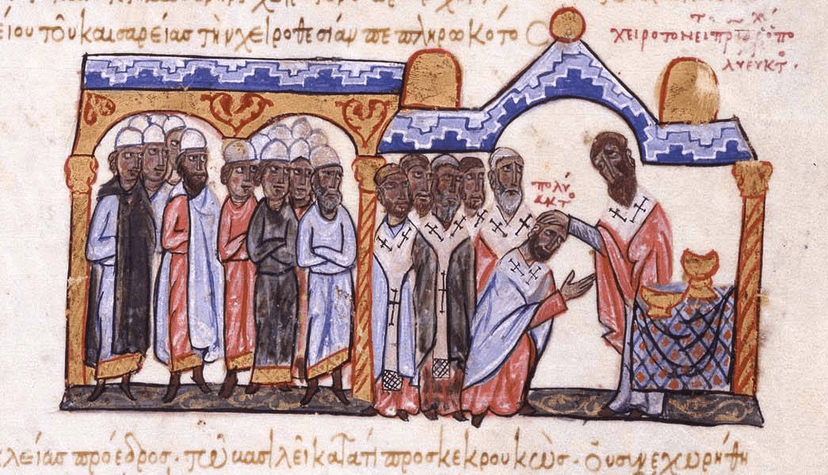
Polyeuctus of Constantinople
Polyeuctus of Constantinople was the Ecumenical Patriarch of Constantinople from 956 to 970. Revered for his intellect, zeal for the Faith, and powerful oratory, he was often called a "second Chrysostom." He is remembered for his significant actions during his patriarchate, including baptizing Princess Olga of Kyiv and excommunicating Emperor Nikephoros II Phokas.