
Job
Job was the first Patriarch of Moscow and all Rus', serving from 1589 to 1605, and was previously the Metropolitan of Moscow. He is remembered for his role in establishing the patriarchate in Russia and for his steadfast opposition to False Dmitry I during a period of turmoil. The Russian Orthodox Church canonized him in 1989.
Key Facts
- ›Job was the first Patriarch of Moscow and all Rus', holding the office from 1589 to 1605.
- ›He previously served as the Metropolitan of Moscow and all Rus' from 1587 to 1589.
- ›His birth name was Ioann, and he took monastic vows and the name Job in 1551.
- ›Job was known for his humble demeanor, impeccable morals, and learning for his time.
- ›He was instrumental in the establishment of a patriarchate in Moscow, regularizing the canonical status of the Russian Church.
- ›Job opposed the founding of a university in Moscow with foreign professors, fearing the spread of heterodoxy.
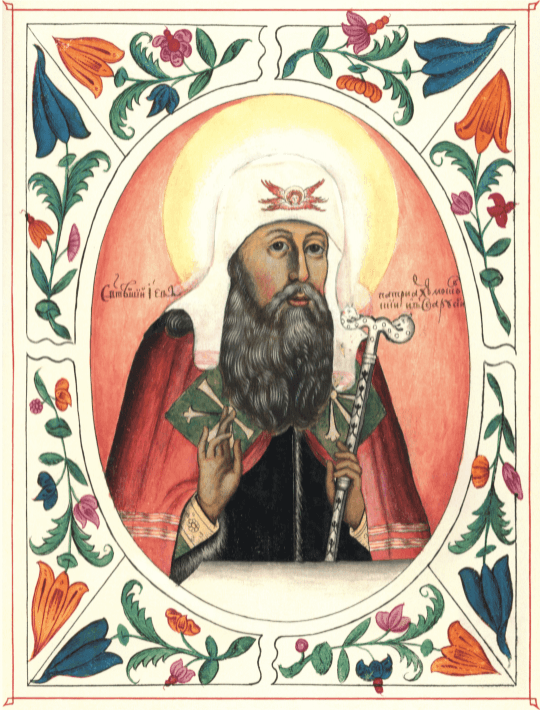
Ioann (birth name), И́ов (Russian)
About Job
Job, First Patriarch of Moscow
Job (died 19 June 1607) holds a pivotal place in the history of the Russian Orthodox Church as its first Patriarch of Moscow and all Rus'. He served in this capacity from 1589 to 1605, having previously been the Metropolitan of Moscow and all Rus' from 1587. His canonical status was regularized and elevated by Jeremias II, the Patriarch of Constantinople, in 1589, establishing a patriarchate in Moscow and recognizing the Russian tsardom as a "third Rome."
Born Ioann, he felt a strong calling to monastic life from a young age. Despite his father's wishes for him to marry, Ioann took monastic vows in 1551 at the Uspensky Monastery in Staritsa, adopting the religious name Job. He spent fifteen years in monastic seclusion before becoming abbot of the Staritsa monastery, with the support of Ivan the Terrible.
Job was known for his piety, learning, and dedication to the church. His career progressed through various significant abbacies in Moscow, including the Simonov and Novospassky Monasteries, before he was consecrated as bishop of Kolomna and later archbishop of Rostov. His administrative abilities and deep faith attracted the attention of influential figures, including Boris Godunov.
As Patriarch, Job oversaw the correction and publication of divine service books and supported the construction of new cathedrals and monasteries. He also encouraged Christian missionary activities in newly conquered territories like Astrakhan and Siberia. He famously headed the official inquiry into the death of Tsarevich Dmitry Ivanovich in 1591, concluding it was an accidental stabbing. Job was also a staunch opponent of False Dmitry I during the Time of Troubles, advocating for loyalty to the deceased Tsar Feodor I. His opposition led to his eventual removal from office in 1605 and exile to Staritsa, where he lost his sight. He returned briefly to Moscow before his death, reconciling with the people of Moscow.
Patriarch Job was canonized by the Russian Orthodox Church in 1989. His relics were transferred to the Cathedral of the Dormition in the Moscow Kremlin, where they are venerated to this day. His legacy is strongly tied to the establishment of the patriarchate in Russia and his steadfast defense of Orthodox traditions during a period of immense political and social upheaval.
Source: Wikipedia ↗
Frequently Asked Questions
Who was Patriarch Job?
Job was the first Patriarch of Moscow and all Rus', serving from 1589 to 1605. Before that, he was the Metropolitan of Moscow. He is recognized for his significant role in the establishment of a patriarchate within the Russian Orthodox Church.
When did Job become Patriarch of Moscow?
Job was consecrated as the first Russian patriarch on February 5, 1589, with the blessing of Jeremias II, the patriarch of Constantinople. This marked a significant elevation of ecclesiastic authority in Russia.
What was Job's role in the church's structure?
Job was instrumental in arguing for and establishing the patriarchate in Moscow, a move that regularized the canonical status of the Russian Church and was confirmed by councils in Constantinople. He also assisted in the canonization of other Russian saints.
What was Job's stance on foreign influence?
Patriarch Job did not approve of proposals to open a university in Moscow staffed by foreign professors. He believed their influence and non-Orthodox faith could endanger the purity of the Russian Church.
What happened to Job during the Time of Troubles?
During the Time of Troubles, Patriarch Job became head of state after Tsar Feodor I's death. He was a harsh critic of False Dmitry I and was eventually removed from office and exiled to his monastery in Staritsa, where he became blind.
When was Patriarch Job canonized?
Patriarch Job was canonized as a saint by the Russian Orthodox Church in 1989, a significant honor recognizing his contributions and spiritual leadership.
Related Saints
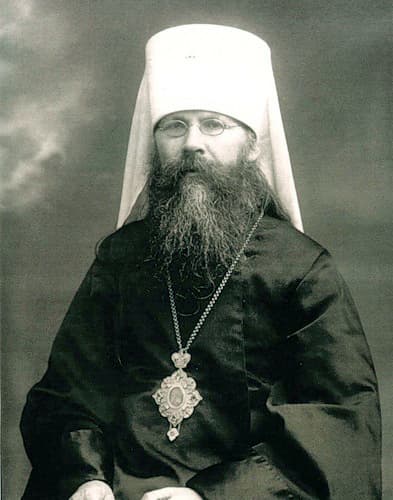
Benjamin of Petrograd
Benjamin of Petrograd was a hieromartyr and bishop in the Russian Orthodox Church, serving as Metropolitan of Petrograd and Gdov from 1917 to 1922. He is remembered for leading nonviolent resistance to Soviet anti-religious legislation and for his execution by firing squad following a show trial. In 1992, he was canonized by the Russian Orthodox Church along with other martyrs executed with him.
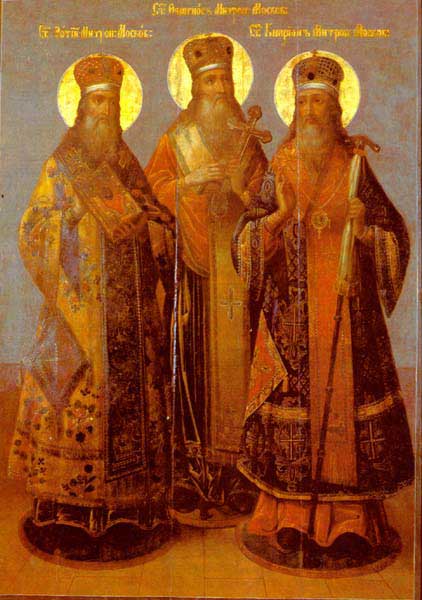
Cyprian of Kiev
Cyprian was a prelate of Bulgarian origin who served as Metropolitan of Kiev and all Rus' in the Ecumenical Patriarchate of Constantinople. He is remembered as a skilled church administrator who worked to unify the Church in the Grand Duchy of Moscow and the Grand Duchy of Lithuania, facing significant opposition. He was also an erudite writer, editor, and translator, overseeing the creation of important historical and ecclesiastical works.
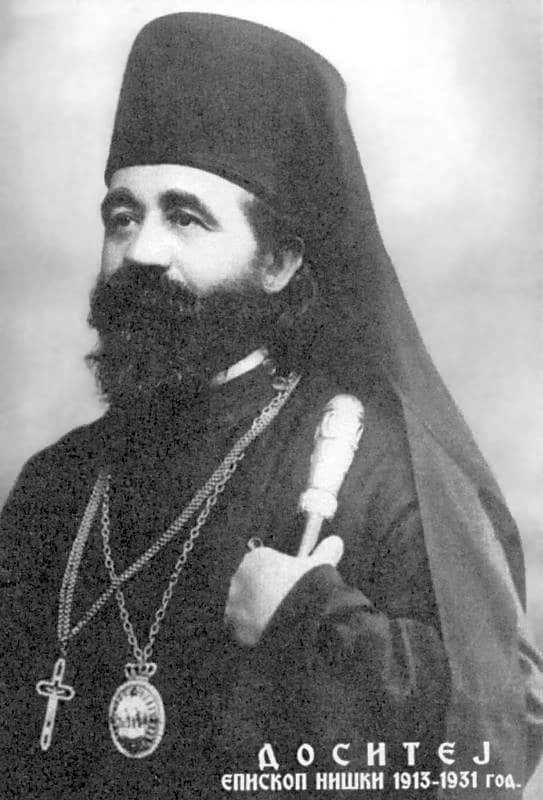
Dositheus of Zagreb
Dositheus of Zagreb, born Dragutin Vasić, was the first Serbian Orthodox Metropolitan of Zagreb and a victim of the genocide of Serbs in the Independent State of Croatia. He is remembered as an Eastern Orthodox saint who endured imprisonment and torture during World War I and World War II. He was canonized by the Serbian Orthodox Church in 2000.