
Dositheus of Zagreb
Dositheus of Zagreb, born Dragutin Vasić, was the first Serbian Orthodox Metropolitan of Zagreb and a victim of the genocide of Serbs in the Independent State of Croatia. He is remembered as an Eastern Orthodox saint who endured imprisonment and torture during World War I and World War II. He was canonized by the Serbian Orthodox Church in 2000.
Key Facts
- ›Born Dragutin Vasić on December 5, 1878, in Belgrade.
- ›Acquired a master's degree from Kiev Theological Academy and studied philosophy at the universities of Berlin and Leipzig.
- ›Elected bishop of Niš in May 1913 and was interned as a prisoner of war during World War I.
- ›Became the first metropolitan of the newly established Metropolitanate of Zagreb.
- ›Died on January 13, 1945, from torture suffered in Zagreb prison.
- ›Canonized by the Serbian Orthodox Church in May 2000.
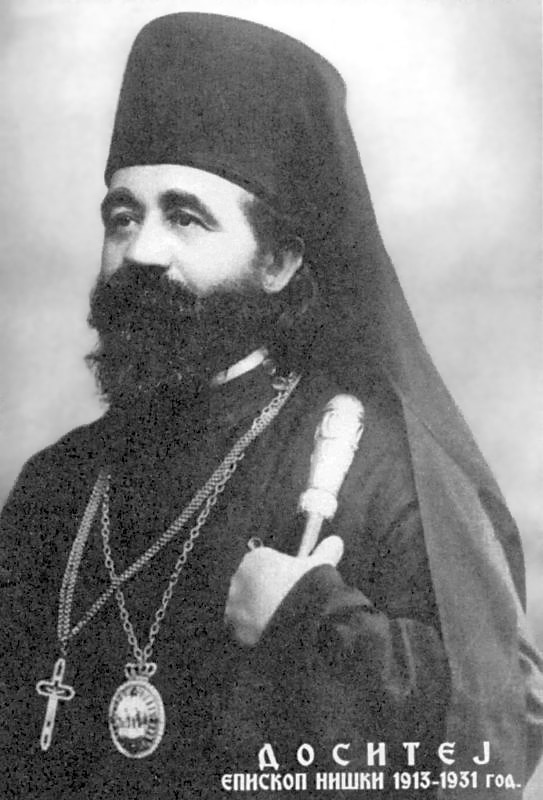
Dositej Vasić
About Dositheus of Zagreb
Dositheus of Zagreb (born Dragutin Vasić, December 5, 1878 – January 13, 1945) is venerated as an Eastern Orthodox saint. He holds the distinction of being the first Serbian Orthodox Metropolitan of Zagreb and is recognized as a martyr, having fallen victim to the genocide of Serbs in the Independent State of Croatia. His life and death are marked by significant historical turmoil and persecution.
Life and Ministry
Born in Belgrade, Dragutin Vasić pursued higher education, earning a master's degree from the Kiev Theological Academy. He furthered his studies in philosophy at the universities of Berlin and Leipzig. In May 1913, he was elected as the bishop of Niš by the Holy Synod of the Serbian Orthodox Church.
During World War I, Dositheus refused to abandon Niš and was subsequently interned as a prisoner of war. Following his release, he returned to his eparchy in 1918. He also served as Bishop of Transcarpathia and vice-president of the Holy Synod, participating in crucial negotiations with the Patriarchate of Constantinople for the re-establishment of the Serbian Patriarchate in 1920. Upon the establishment of the Metropolitanate of Zagreb, he was ordained its first metropolitan.
Martyrdom and Legacy
Dositheus of Zagreb died on January 13, 1945, due to the severe torture he had suffered in Zagreb prison. Historical accounts note the participation of Roman Catholic nuns in his mistreatment, highlighting the complex and brutal circumstances of his death. His earthly remains were interred in the churchyard of the Vavedenje Monastery in Belgrade.
Recognizing his suffering and witness, the Serbian Orthodox Church canonized Vasić in May 2000. He is remembered not only for his leadership within the church but also as a symbol of the immense suffering endured by the Serbian Orthodox community during the mid-20th century.
Source: Wikipedia ↗
Frequently Asked Questions
Who was Dositheus of Zagreb?
Dositheus of Zagreb, born Dragutin Vasić, was the first Serbian Orthodox Metropolitan of Zagreb. He is recognized as an Eastern Orthodox saint and a victim of the genocide of Serbs in the Independent State of Croatia.
When and where was Dositheus of Zagreb born?
He was born Dragutin Vasić on December 5, 1878, in Belgrade.
What was his religious and academic background?
Dositheus Vasić earned a master's degree from Kiev Theological Academy and studied philosophy at the universities of Berlin and Leipzig. He was elected bishop of Niš in 1913.
What significant events occurred during his life?
During World War I, he was interned as a prisoner of war. He later played a role in re-establishing the Serbian Patriarchate and became the first metropolitan of Zagreb.
How did Dositheus of Zagreb die?
He died on January 13, 1945, as a result of brutal torture he endured in Zagreb prison, with Roman Catholic nuns reportedly participating in his mistreatment.
When was he canonized?
Dositheus Vasić was canonized by the Serbian Orthodox Church in May 2000.
Where are his relics located?
His relics are buried in the churchyard of the Vavedenje Monastery in Belgrade.
Related Saints
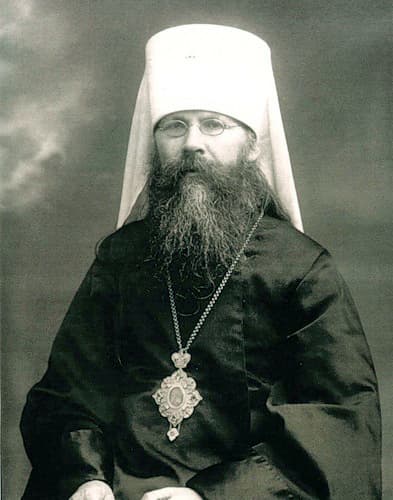
Benjamin of Petrograd
Benjamin of Petrograd was a hieromartyr and bishop in the Russian Orthodox Church, serving as Metropolitan of Petrograd and Gdov from 1917 to 1922. He is remembered for leading nonviolent resistance to Soviet anti-religious legislation and for his execution by firing squad following a show trial. In 1992, he was canonized by the Russian Orthodox Church along with other martyrs executed with him.
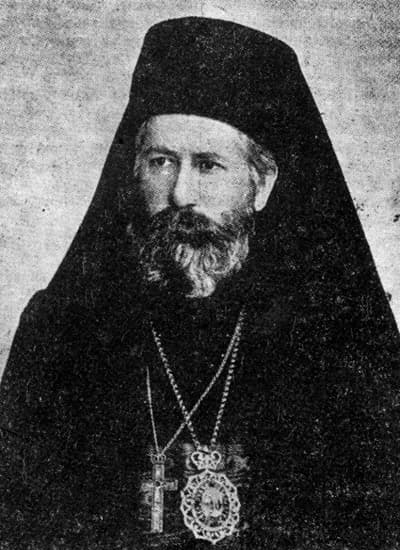
Joannicius I of Montenegro
Joannicius I of Montenegro was the Metropolitan of the Diocese of Montenegro and the Littoral. He is remembered for his collaboration with occupying Axis powers during World War II and his subsequent execution by Communist-led Yugoslav Partisans. Posthumously canonized by the Serbian Orthodox Church, he was recognized as a saint in 1999.
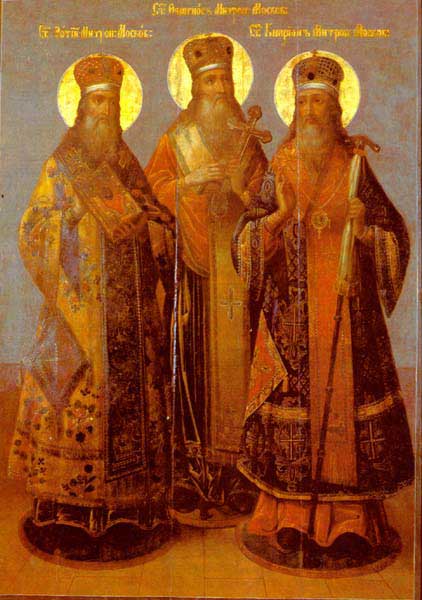
Cyprian of Kiev
Cyprian was a prelate of Bulgarian origin who served as Metropolitan of Kiev and all Rus' in the Ecumenical Patriarchate of Constantinople. He is remembered as a skilled church administrator who worked to unify the Church in the Grand Duchy of Moscow and the Grand Duchy of Lithuania, facing significant opposition. He was also an erudite writer, editor, and translator, overseeing the creation of important historical and ecclesiastical works.