
Joannicius I of Montenegro
Joannicius I of Montenegro was the Metropolitan of the Diocese of Montenegro and the Littoral. He is remembered for his collaboration with occupying Axis powers during World War II and his subsequent execution by Communist-led Yugoslav Partisans. Posthumously canonized by the Serbian Orthodox Church, he was recognized as a saint in 1999.
Key Facts
- ›Joannicius I was born Jovan Lipovac in Stoliv, Kingdom of Dalmatia, Austria-Hungary.
- ›He studied Orthodox theology in Zadar and philosophy at the University of Belgrade.
- ›He served as a professor in Belgrade from 1925 to 1940.
- ›In 1939, he was consecrated as an auxiliary Bishop, Bishop of Budimlja.
- ›He became metropolitan of Montenegro and the Littoral in 1940.
- ›He collaborated with occupying Axis forces and supported the Chetniks during World War II.
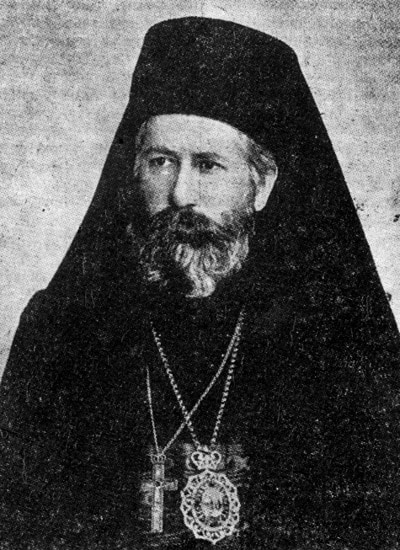
Jovan Lipovac
About Joannicius I of Montenegro
Joannicius I of Montenegro, born Jovan Lipovac on February 16, 1890, served as the Metropolitan of the Diocese of Montenegro and the Littoral. His life and legacy are marked by his significant religious role, his actions during World War II, and his eventual posthumous canonization.
Life and Ministry
Born into the Lipovac family in Stoliv, in the Bay of Kotor, Joannicius I received a solid education, graduating in Orthodox theology from Zadar and philosophy from the University of Belgrade. He was ordained and served in various capacities before becoming a professor in Belgrade from 1925 to 1940. In 1939, he was consecrated as an auxiliary bishop, bearing the title Bishop of Budimlja, and the following year, he was appointed metropolitan of Montenegro and the Littoral.
World War II and Execution
Soon after assuming his metropolitanate, Yugoslavia was drawn into World War II. Joannicius I's tenure was significantly shaped by the occupation of Montenegro by Axis forces. Historical accounts indicate that he openly collaborated with these occupying powers and provided support to the Serbian Chetniks. As the war neared its end and communist control under the Yugoslav Partisans solidified, Joannicius I attempted to flee the region with a group of priests. This attempt proved unsuccessful. On May 12, 1945, he was captured by the Yugoslav Partisans near Celje and subsequently transferred to Belgrade. On June 18, 1945, Joannicius I and his companions were executed by the Partisans at Bukovik, near Aranđelovac.
Canonization and Legacy
Despite the controversial circumstances of his death and his association with collaborationist elements during the war, Joannicius I was posthumously canonized by the Serbian Orthodox Church. His name was officially added to the list of Serbian saints in 1999. His veneration acknowledges him as a martyr for his faith, though historical interpretations of his actions during the war remain complex.
Source: Wikipedia ↗
Frequently Asked Questions
Who was Joannicius I of Montenegro?
Joannicius I, born Jovan Lipovac, was the Metropolitan of the Diocese of Montenegro and the Littoral. He served as a bishop and later as the head of the diocese during a turbulent period in Yugoslav history.
What was Joannicius I accused of?
He was accused of collaboration with occupying Axis powers during World War II. Historical accounts state he openly collaborated with these forces and supported the activities of the Serbian Chetniks.
How did Joannicius I die?
Joannicius I was executed by the Communist-led Yugoslav Partisans on June 18, 1945, near Aranđelovac. He and a group of priests were captured while attempting to leave the area.
Is Joannicius I recognized as a saint?
Yes, Joannicius I was posthumously canonized by the Serbian Orthodox Church. His name was added to the list of Serbian saints in 1999.
Where was Joannicius I born and educated?
He was born Jovan Lipovac in Stoliv, in the Bay of Kotor, which was then part of Austria-Hungary. He received his education in Orthodox theology in Zadar and philosophy at the University of Belgrade.
Related Saints
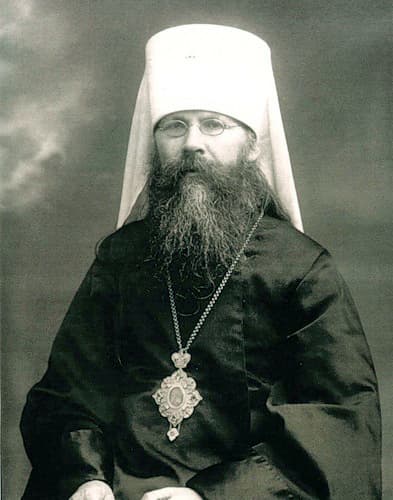
Benjamin of Petrograd
Benjamin of Petrograd was a hieromartyr and bishop in the Russian Orthodox Church, serving as Metropolitan of Petrograd and Gdov from 1917 to 1922. He is remembered for leading nonviolent resistance to Soviet anti-religious legislation and for his execution by firing squad following a show trial. In 1992, he was canonized by the Russian Orthodox Church along with other martyrs executed with him.
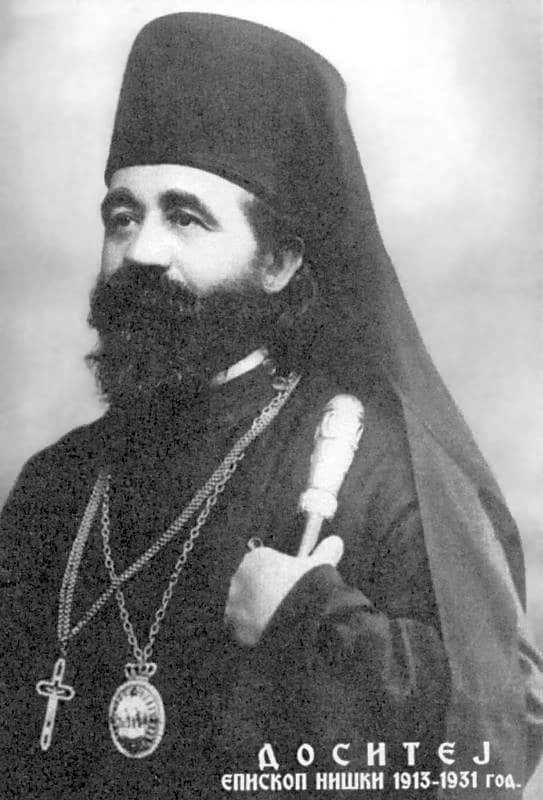
Dositheus of Zagreb
Dositheus of Zagreb, born Dragutin Vasić, was the first Serbian Orthodox Metropolitan of Zagreb and a victim of the genocide of Serbs in the Independent State of Croatia. He is remembered as an Eastern Orthodox saint who endured imprisonment and torture during World War I and World War II. He was canonized by the Serbian Orthodox Church in 2000.
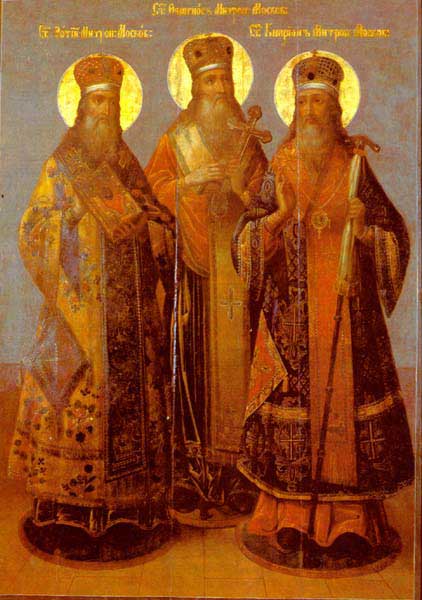
Cyprian of Kiev
Cyprian was a prelate of Bulgarian origin who served as Metropolitan of Kiev and all Rus' in the Ecumenical Patriarchate of Constantinople. He is remembered as a skilled church administrator who worked to unify the Church in the Grand Duchy of Moscow and the Grand Duchy of Lithuania, facing significant opposition. He was also an erudite writer, editor, and translator, overseeing the creation of important historical and ecclesiastical works.