
Benjamin of Petrograd
August 13·20th century·Russia
Benjamin of Petrograd was a hieromartyr and bishop in the Russian Orthodox Church, serving as Metropolitan of Petrograd and Gdov from 1917 to 1922. He is remembered for leading nonviolent resistance to Soviet anti-religious legislation and for his execution by firing squad following a show trial. In 1992, he was canonized by the Russian Orthodox Church along with other martyrs executed with him.
Key Facts
- ›Born Vasily Pavlovich Kazansky, he was tonsured a monk and given the name Benjamin in 1895.
- ›He served as rector of the Samara Theological Seminary and later the St. Petersburg Spiritual Academy.
- ›In 1910, he was consecrated Bishop of Gdov, a vicar bishop of the diocese of St. Petersburg.
- ›He was democratically elected Archbishop of Petrograd and Ladoga in 1917, later elevated to Metropolitan.
- ›Metropolitan Benjamin maintained an apolitical stance during the Russian CIVIL War.
- ›He was executed by a firing squad of the Soviet secret police on August 13, 1922.
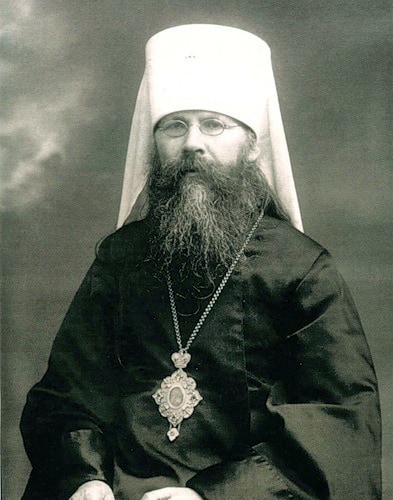
Veniamin Petrogradsky, Vasily Pavlovich Kazansky
Orthodox Monks
About Benjamin of Petrograd
Metropolitan Benjamin of Petrograd (1873–1922), born Vasily Pavlovich Kazansky, was a significant figure in the Russian Orthodox Church during a period of intense anti-religious persecution. He rose through the ecclesiastical ranks, graduating from the Olonets Theological Seminary and earning a degree from the St. Petersburg Spiritual Academy. After serving in various teaching and administrative roles, he was consecrated Bishop of Gdov in 1910 and later democratically elected Archbishop of Petrograd and Ladoga in 1917, eventually becoming Metropolitan.
During his tenure, Benjamin became known for his charitable work and his commitment to leading religious services in impoverished areas. He adopted an apolitical stance during the Russian Civil War, focusing on the spiritual well-being of his flock and negotiating with the Soviet authorities regarding the confiscation of church valuables during the famine of 1921. He agreed to voluntary dispersal of parish funds but refused to consent to the plundering and desecration of church property.
Benjamin's refusal to fully comply with the Soviet regime's demands, particularly his condemnation of the state-controlled Living Church movement and his opposition to the forced confiscation of sacred vessels, led to his arrest. He was put on trial in a show trial in 1922, accused of anti-Soviet agitation. Despite a defense that highlighted his devotion to the people, he was found guilty and sentenced to death. He was executed by firing squad on August 13, 1922, becoming a hieromartyr.
Martyrdom and Legacy
Metropolitan Benjamin's execution solidified his status as a martyr. In 1992, the Russian Orthodox Church officially glorified him, recognizing his sacrifice in the face of oppressive anti-religious policies. His legacy is one of steadfast faith and courageous leadership in defending the Church's integrity against state interference and persecution.
Source: Wikipedia ↗
Frequently Asked Questions
Who was Benjamin of Petrograd?
Benjamin of Petrograd, born Vasily Pavlovich Kazansky, was a bishop in the Russian Orthodox Church who served as Metropolitan of Petrograd and Gdov. He is recognized as a hieromartyr for his resistance to Soviet anti-religious policies.
Why was Benjamin of Petrograd martyred?
Metropolitan Benjamin was martyred for leading nonviolent resistance to Soviet anti-religious legislation, particularly concerning the confiscation of church valuables during the famine of 1921. He refused to allow the desecration of church property and was subsequently tried and executed.
When was Benjamin of Petrograd canonized?
Benjamin of Petrograd was glorified (canonized) by the Russian Orthodox Church in April 1992, along with several other martyrs who were executed with him.
What was Benjamin of Petrograd's role during the Russian Civil War?
During the Russian Civil War, Metropolitan Benjamin maintained a strictly apolitical stance. He prioritized the protection of religious relics and the Church's integrity over involvement in political conflicts.
What was the outcome of Benjamin of Petrograd's trial?
Metropolitan Benjamin was tried by a revolutionary tribunal on charges including anti-Soviet agitation and obstructing the efforts of the Renovationist movement. He was found guilty and condemned to death by shooting.
Related Saints
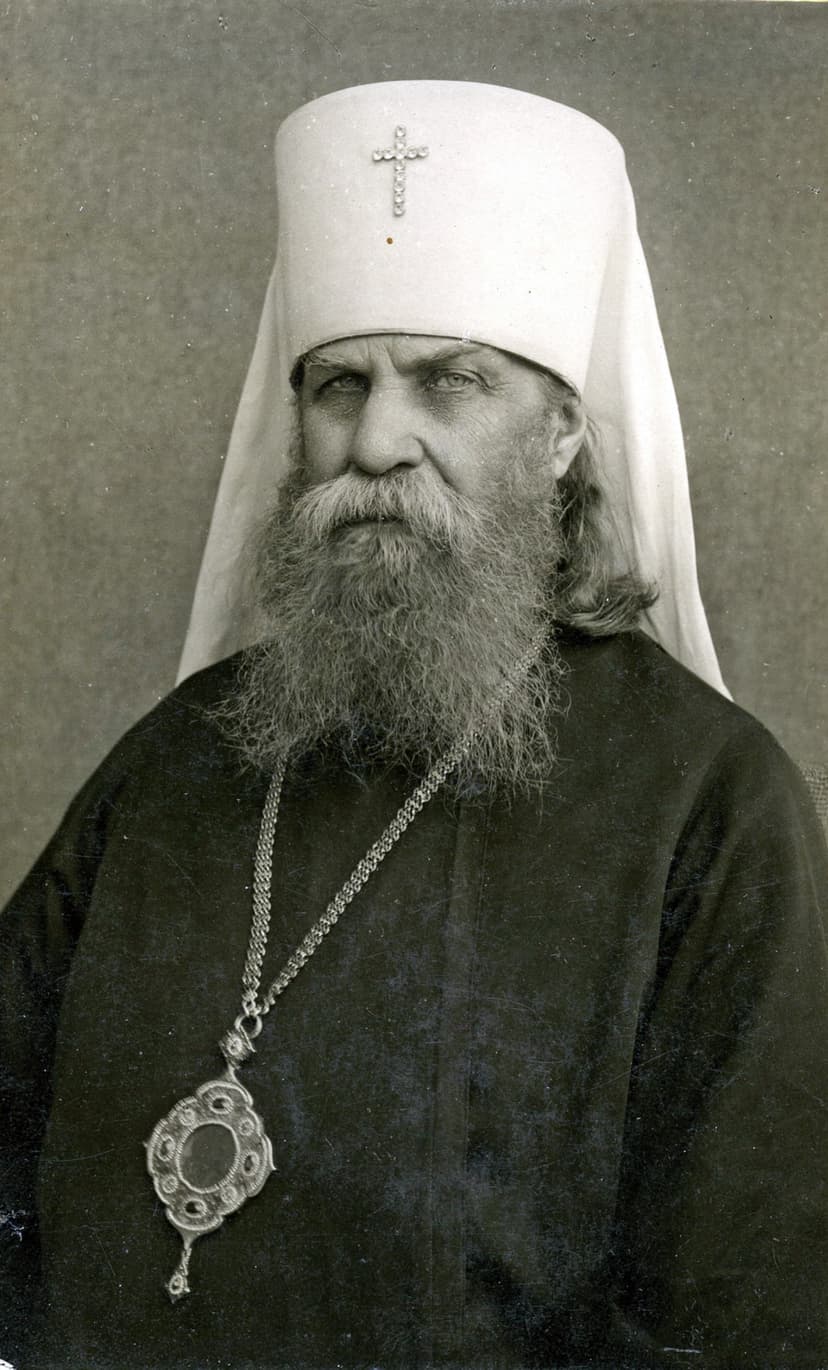
Peter of Krutitsy
Peter of Krutitsy was a Russian Orthodox bishop who served as the patriarchal locum tenens, the head of the Russian Orthodox Church, from April to December 1925. He is remembered as a hieromartyr for his steadfast refusal to compromise with Soviet authorities and schismatic groups, which led to prolonged imprisonment and ultimately his execution. Despite harsh conditions and fabrications about his death, he remained the nominal head of the Church until his martyrdom.
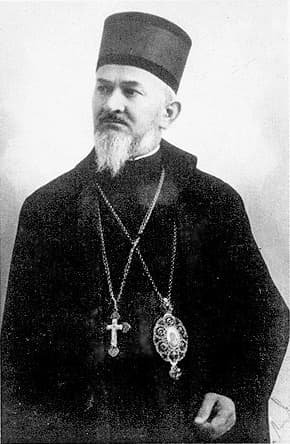
Sava of Gornji Karlovac
Sava Trlajić was a bishop of the Serbian Orthodox Church who served as Bishop of the Eparchy of Gornji Karlovac from 1938 until his martyrdom in August 1941. He is venerated as a saint by the Serbian Orthodox Church, remembered as a new martyr and hieromartyr for his refusal to abandon his flock during the persecution of Serbs in the Independent State of Croatia. His steadfastness in the face of extreme violence led to his death at the hands of the Ustaše, solidifying his legacy as a defender of his people.
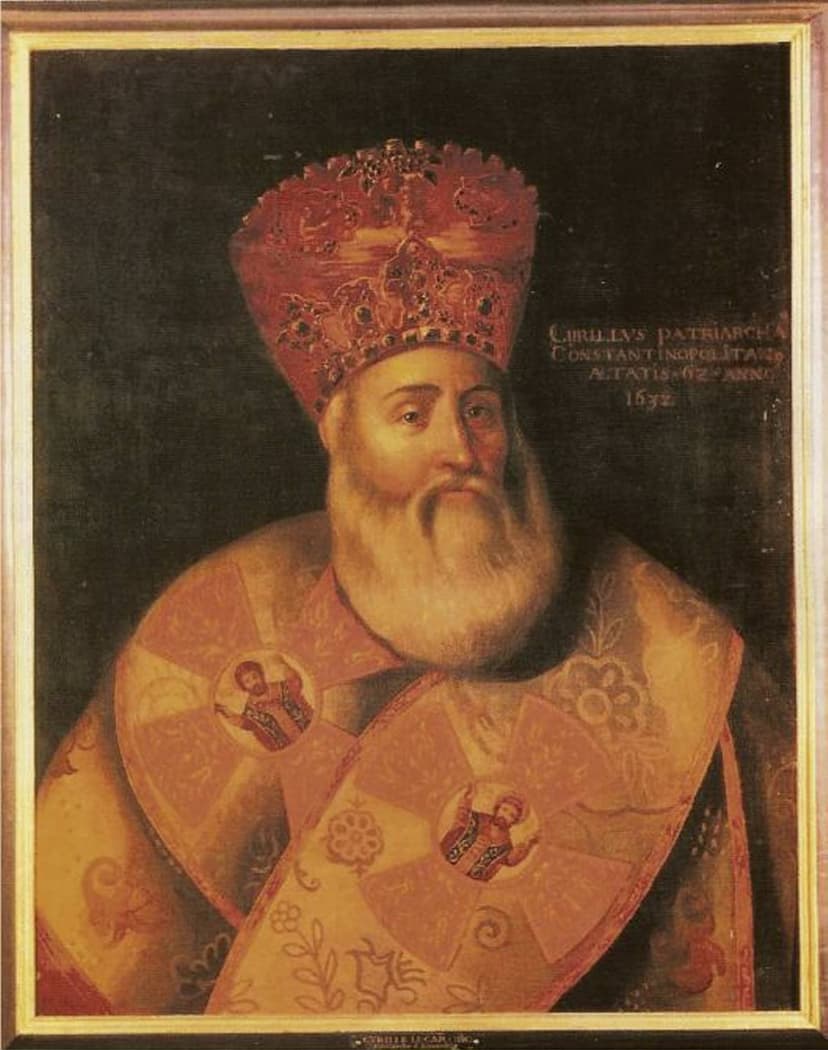
Cyril Lucaris
Cyril Lucaris was a Greek prelate and theologian who served as Patriarch of Alexandria and Ecumenical Patriarch of Constantinople. He is remembered for his attempts to reform the Eastern Orthodox Church along Calvinist lines, a controversial endeavor that led to his condemnation by some synods but later acquittal by others. Cyril Lucaris was eventually martyred, strangled by Janissaries in 1638, and is locally venerated as a hieromartyr.