
Peter of Krutitsy
October 10·20th century·Russia
Peter of Krutitsy was a Russian Orthodox bishop who served as the patriarchal locum tenens, the head of the Russian Orthodox Church, from April to December 1925. He is remembered as a hieromartyr for his steadfast refusal to compromise with Soviet authorities and schismatic groups, which led to prolonged imprisonment and ultimately his execution. Despite harsh conditions and fabrications about his death, he remained the nominal head of the Church until his martyrdom.
Key Facts
- ›Peter Polyansky was born into a priestly family in the Voronezh Governorate of the Russian Empire.
- ›He graduated from the Moscow Theological Academy and served as Assistant Dean of Students before entering ordained ministry.
- ›He was consecrated bishop in 1920 at the request of Patriarch Tikhon to assist in church administration.
- ›Following Patriarch Tikhon's death, he was confirmed as Patriarchal locum tenens in April 1925.
- ›He was arrested in December 1925 and spent the remainder of his life in exile and prisons.
- ›Peter of Krutitsy was executed by shooting on October 10, 1937, and canonized as a hieromartyr in 1997.
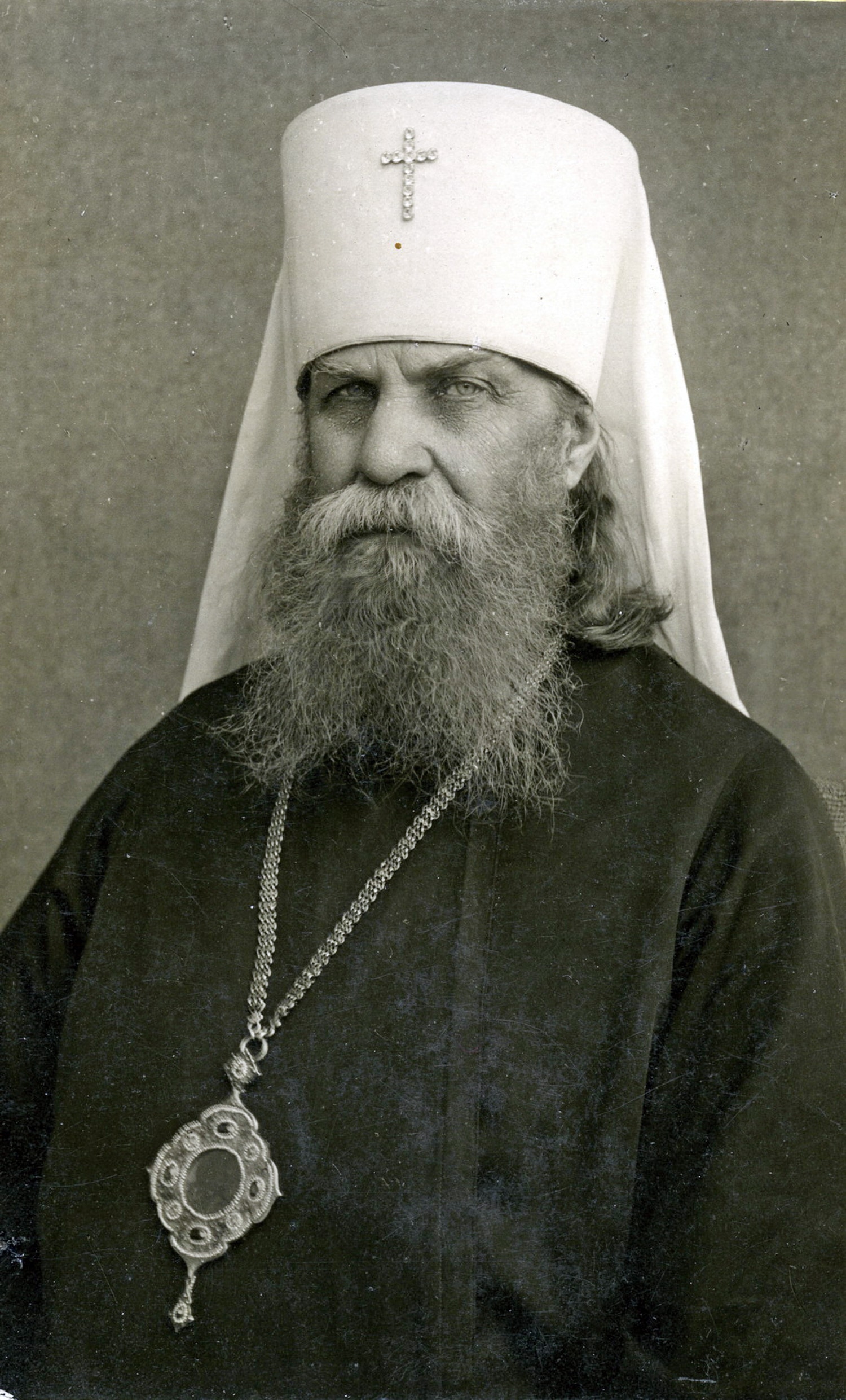
Pyotr Fyodorovich Polyansky, Peter Polyansky
About Peter of Krutitsy
Peter of Krutitsy, born Pyotr Fyodorovich Polyansky on July 10, 1862, was a prominent Russian Orthodox bishop who served as the patriarchal locum tenens, the acting head of the Russian Orthodox Church, from April 12 to December 9, 1925. He remained the nominal head of the Church, despite imprisonment, until his death. He is venerated as a saint hieromartyr by the Russian Orthodox Church.
Early Life and Education
Born into a priestly family in the Voronezh Governorate, Peter Polyansky received a thorough theological education. He graduated from the Voronezh Theological Seminary in 1885 and subsequently from the Moscow Theological Academy in 1892, where he also served as Assistant Dean of Students and defended his Master's thesis. For much of his early career, he worked in administrative capacities within ecclesiastical establishments, notably at the Education Committee of the Most Holy Synod, where he became Secretary by 1915. During this period, he developed significant relationships with future Patriarchs Tikhon and Sergius.
Service Amidst Persecution
Following the Bolshevik Revolution and the closure of the Education Committee, Polyansky continued his service within the Church. In 1920, at the urgent request of Patriarch Tikhon, he accepted monastic tonsure and the episcopacy to assist in the administration of the Church amidst rising anti-religious policies. He was consecrated Bishop of Podolsk on October 8, 1920, and soon after, arrested and exiled. Upon his return in 1923, he rose to the rank of Archbishop and then Metropolitan of Krutitsy.
Patriarchal Locum Tenens
In the complex and dangerous political climate, Patriarch Tikhon designated Peter as one of three possible successors. On April 12, 1925, the day of Tikhon's funeral, Peter was confirmed as the Patriarchal locum tenens. He faced immense pressure from Soviet authorities to reconcile with the schismatic "Living Church" and to express unconditional loyalty to the Soviet state. Peter insisted that any reconciliation with the Renovationists required their repentance.
Imprisonment and Martyrdom
Foreseeing his arrest, Peter appointed Metropolitan Sergius as Deputy locum tenens. He was arrested on December 10, 1925, and subsequently sentenced to exile and hard labor, enduring harsh prison conditions that led to partial paralysis. Despite being technically the head of the Church, he spent the rest of his life in solitary confinement. In 1936, Metropolitan Sergius was falsely informed of Peter's death, consolidating his leadership. On October 2, 1937, the NKVD sentenced Metropolitan Peter to death, and he was executed by shooting on October 10, 1937, in Magnitogorsk. He was canonized as a Hieromartyr in 1997.
Source: Wikipedia ↗
Frequently Asked Questions
Who was Peter of Krutitsy?
Peter of Krutitsy, born Pyotr Fyodorovich Polyansky, was a Russian Orthodox bishop who served as the patriarchal locum tenens, effectively leading the Russian Orthodox Church from April to December 1925. He is venerated as a saint and hieromartyr.
Why is Peter of Krutitsy considered a martyr?
He is considered a martyr because he was executed by shooting by the NKVD in 1937, following his refusal to compromise with the Soviet government or subordinate the Church's interests to state demands. His death occurred after years of imprisonment and persecution.
What was his role during the Soviet era?
During the rise of anti-religious policies after the Bolshevik Revolution, Peter accepted monastic tonsure and the episcopacy to aid Patriarch Tikhon. He later became the patriarchal locum tenens and faced intense pressure from Soviet authorities, leading to his prolonged imprisonment.
When was he canonized?
Metropolitan Peter of Krutitsy was canonized as a Hieromartyr by the decision of the Hierarchical Council of the Russian Orthodox Church on February 23, 1997. His feast day is celebrated on October 10.
What were the circumstances of his death?
He was sentenced to death by the NKVD troika for Chelyabinsk Oblast on October 2, 1937, and executed by shooting on October 10, 1937. He was buried in Magnitogorsk.
Related Saints
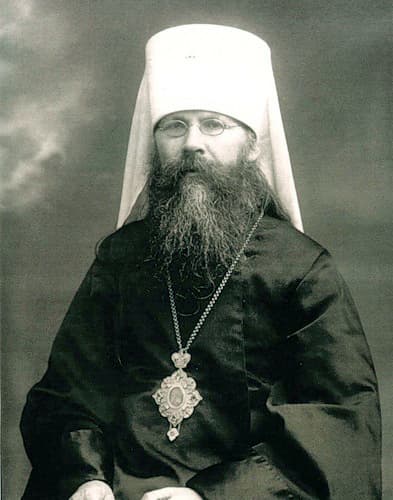
Benjamin of Petrograd
Benjamin of Petrograd was a hieromartyr and bishop in the Russian Orthodox Church, serving as Metropolitan of Petrograd and Gdov from 1917 to 1922. He is remembered for leading nonviolent resistance to Soviet anti-religious legislation and for his execution by firing squad following a show trial. In 1992, he was canonized by the Russian Orthodox Church along with other martyrs executed with him.
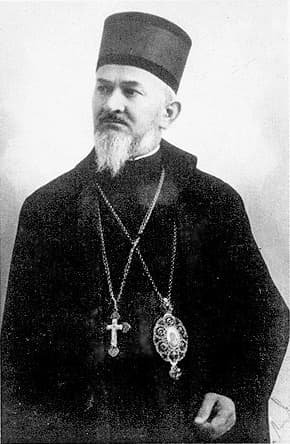
Sava of Gornji Karlovac
Sava Trlajić was a bishop of the Serbian Orthodox Church who served as Bishop of the Eparchy of Gornji Karlovac from 1938 until his martyrdom in August 1941. He is venerated as a saint by the Serbian Orthodox Church, remembered as a new martyr and hieromartyr for his refusal to abandon his flock during the persecution of Serbs in the Independent State of Croatia. His steadfastness in the face of extreme violence led to his death at the hands of the Ustaše, solidifying his legacy as a defender of his people.
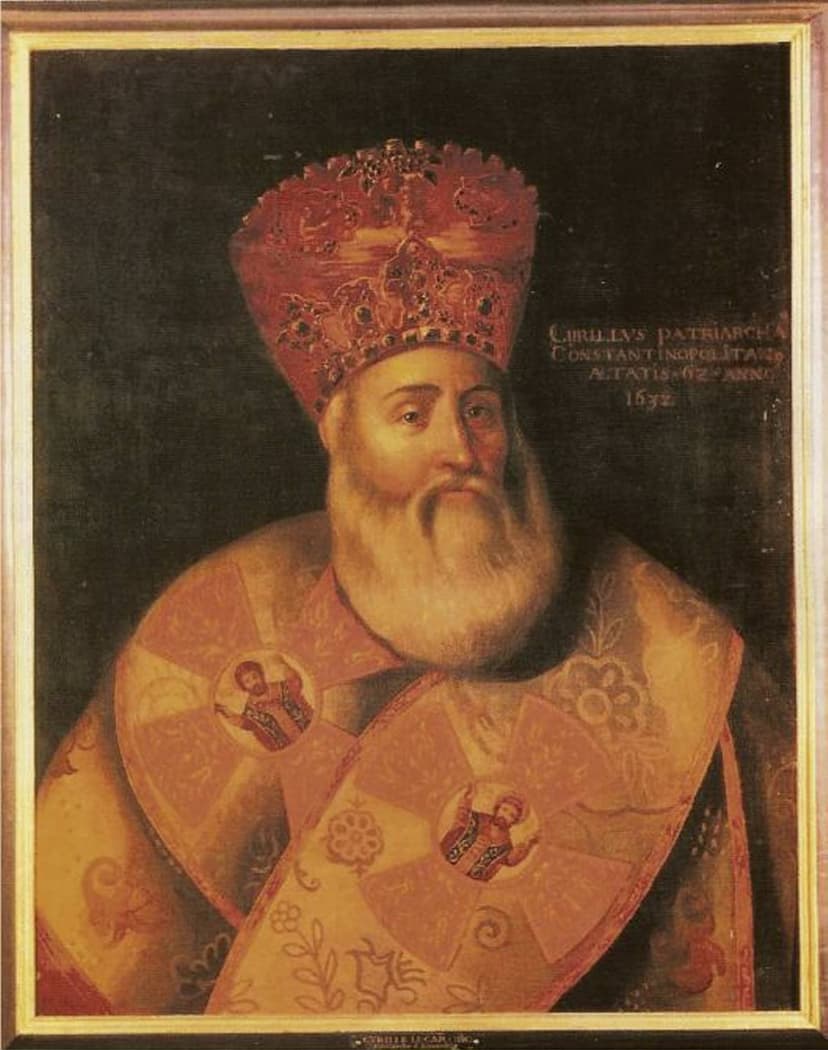
Cyril Lucaris
Cyril Lucaris was a Greek prelate and theologian who served as Patriarch of Alexandria and Ecumenical Patriarch of Constantinople. He is remembered for his attempts to reform the Eastern Orthodox Church along Calvinist lines, a controversial endeavor that led to his condemnation by some synods but later acquittal by others. Cyril Lucaris was eventually martyred, strangled by Janissaries in 1638, and is locally venerated as a hieromartyr.