
Sava of Gornji Karlovac
20th century·Yugoslavia
Sava Trlajić was a bishop of the Serbian Orthodox Church who served as Bishop of the Eparchy of Gornji Karlovac from 1938 until his martyrdom in August 1941. He is venerated as a saint by the Serbian Orthodox Church, remembered as a new martyr and hieromartyr for his refusal to abandon his flock during the persecution of Serbs in the Independent State of Croatia. His steadfastness in the face of extreme violence led to his death at the hands of the Ustaše, solidifying his legacy as a defender of his people.
Key Facts
- ›Born Svetozar Trlajić on July 18, 1884, in Mol.
- ›Ordained a deacon in 1909 and later a priest, serving in Peška and Bašaid.
- ›Took monastic vows as Sava in 1929 after his wife's death, becoming rector of Krušedol Monastery.
- ›Elected Auxiliary Bishop of Sremski Karlovci in 1930, later serving as Patriarchal Vicar.
- ›Appointed Bishop of Gornji Karlovac in 1938, residing in Plaški.
- ›Martyred by the Ustaše in August 1941 while refusing to abandon his diocese.
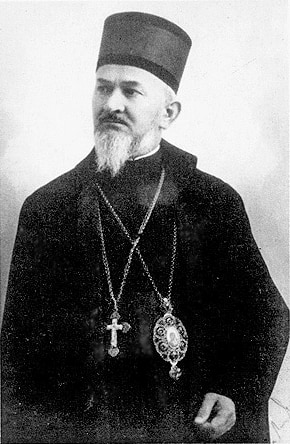
Svetozar Trlajić
About Sava of Gornji Karlovac
Sava Trlajić, born Svetozar Trlajić on July 18, 1884, was a prominent bishop within the Serbian Orthodox Church. He held the position of Bishop of the Eparchy of Gornji Karlovac in the Kingdom of Yugoslavia from 1938 until his death during World War II. Bishop Sava is remembered and venerated by the Serbian Orthodox Church as a hieromartyr and new martyr, a testament to his ultimate sacrifice.
Life and Ministry
Born in Mol, Sava Trlajić received a comprehensive education, attending primary school, a grammar school in Novi Sad, and the seminary of Sremski Karlovci. He furthered his studies by graduating from the Faculty of Law at the University of Belgrade and completing the qualifying examination for judges at the University of Zagreb. His clerical career began with his ordination as a deacon in 1909, followed by his ordination as a priest ten days later. He served in parishes in Peška and Bašaid before taking on administrative roles within the Church.
After the death of his wife, Trlajić embraced monastic life on October 27, 1929, taking the name Sava and becoming the rector and archimandrite of the Krušedol Monastery. In 1930, he was elected Auxiliary Bishop of Sremski Karlovci and later served as Patriarchal Vicar. In 1938, he was appointed Bishop of Gornji Karlovac, with his seat in Plaški. Following the death of Bishop Miron of Pakrac in 1941, he also assumed responsibility for the Eparchy of Slavonia.
Martyrdom
With the invasion of Yugoslavia in April 1941 and the subsequent formation of the Nazi puppet state, the Independent State of Croatia, Bishop Sava and his diocese faced severe persecution. Despite pressure from the Ustaše to leave his flock and relocate, Bishop Sava steadfastly refused, choosing to remain with his people. He was arrested on June 17, 1941, and confined with other clergy and prominent Serbs. After enduring intense torture, he was transferred to the Gospić concentration camp. In mid-August 1941, he was taken with thousands of other Orthodox Serbs towards the Velebit Mountains, where he was murdered. The exact location of his death remains unknown.
Veneration
In recognition of his martyrdom and unwavering faith, Bishop Sava was officially glorified as a saint by the Holy Assembly of Bishops of the Serbian Orthodox Church in 1998. He was formally entered into the menologium of the Church with the titles of hieromartyr and new martyr.
Source: Wikipedia ↗
Frequently Asked Questions
Who was Sava Trlajić?
Sava Trlajić, born Svetozar Trlajić, was a bishop of the Serbian Orthodox Church. He served as the Bishop of the Eparchy of Gornji Karlovac from 1938 until his death in 1941.
When and how did Sava Trlajić die?
Bishop Sava died in August 1941, martyred by the Ustaše in the Independent State of Croatia. He was arrested, tortured, and ultimately murdered along with thousands of other Orthodox Serbs near the Velebit Mountains.
Why is Sava Trlajić venerated as a saint?
He is venerated by the Serbian Orthodox Church as a hieromartyr and new martyr. This is due to his steadfast refusal to abandon his diocese and flock during the violent persecution of Serbs, choosing to remain with his people even unto death.
What was Bishop Sava's role before becoming Bishop of Gornji Karlovac?
Before his appointment as Bishop of Gornji Karlovac, Sava Trlajić served in various capacities within the Church. He was a parish priest, later held administrative positions in the Holy Synod, and was consecrated as an Auxiliary Bishop of Sremski Karlovci in 1930.
What happened to Bishop Sava after the invasion of Yugoslavia?
Following the invasion of Yugoslavia and the establishment of the Independent State of Croatia, Bishop Sava and his residence were targeted by the Ustaše. He was expelled from his residence and later arrested, imprisoned, tortured, and ultimately murdered.
Related Saints
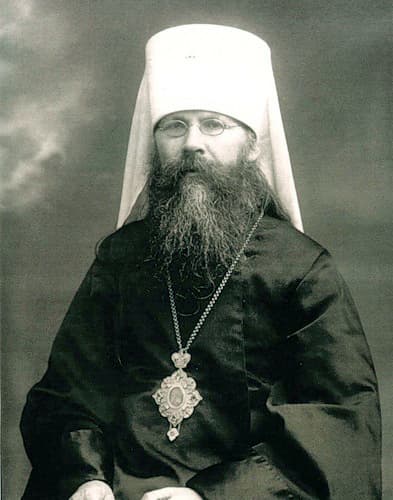
Benjamin of Petrograd
Benjamin of Petrograd was a hieromartyr and bishop in the Russian Orthodox Church, serving as Metropolitan of Petrograd and Gdov from 1917 to 1922. He is remembered for leading nonviolent resistance to Soviet anti-religious legislation and for his execution by firing squad following a show trial. In 1992, he was canonized by the Russian Orthodox Church along with other martyrs executed with him.
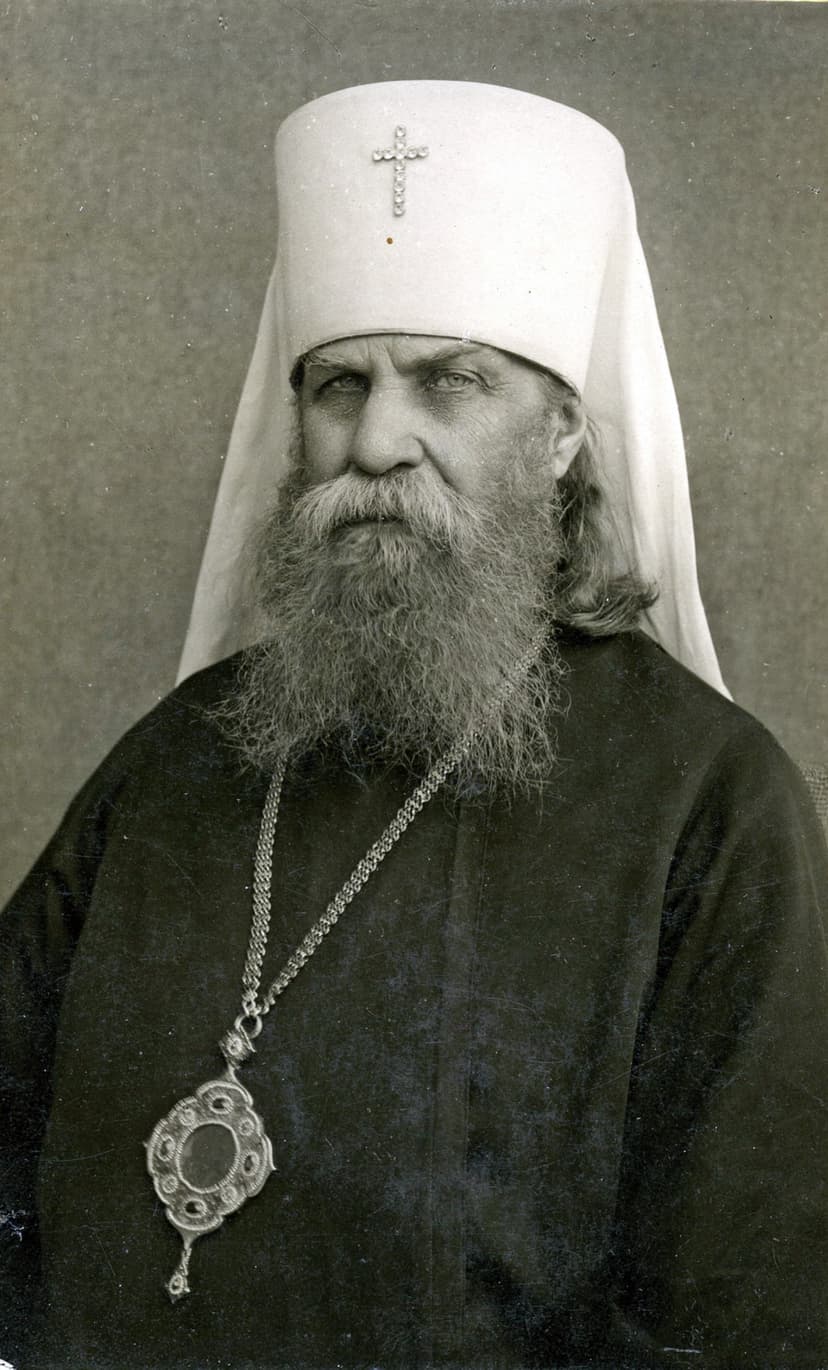
Peter of Krutitsy
Peter of Krutitsy was a Russian Orthodox bishop who served as the patriarchal locum tenens, the head of the Russian Orthodox Church, from April to December 1925. He is remembered as a hieromartyr for his steadfast refusal to compromise with Soviet authorities and schismatic groups, which led to prolonged imprisonment and ultimately his execution. Despite harsh conditions and fabrications about his death, he remained the nominal head of the Church until his martyrdom.
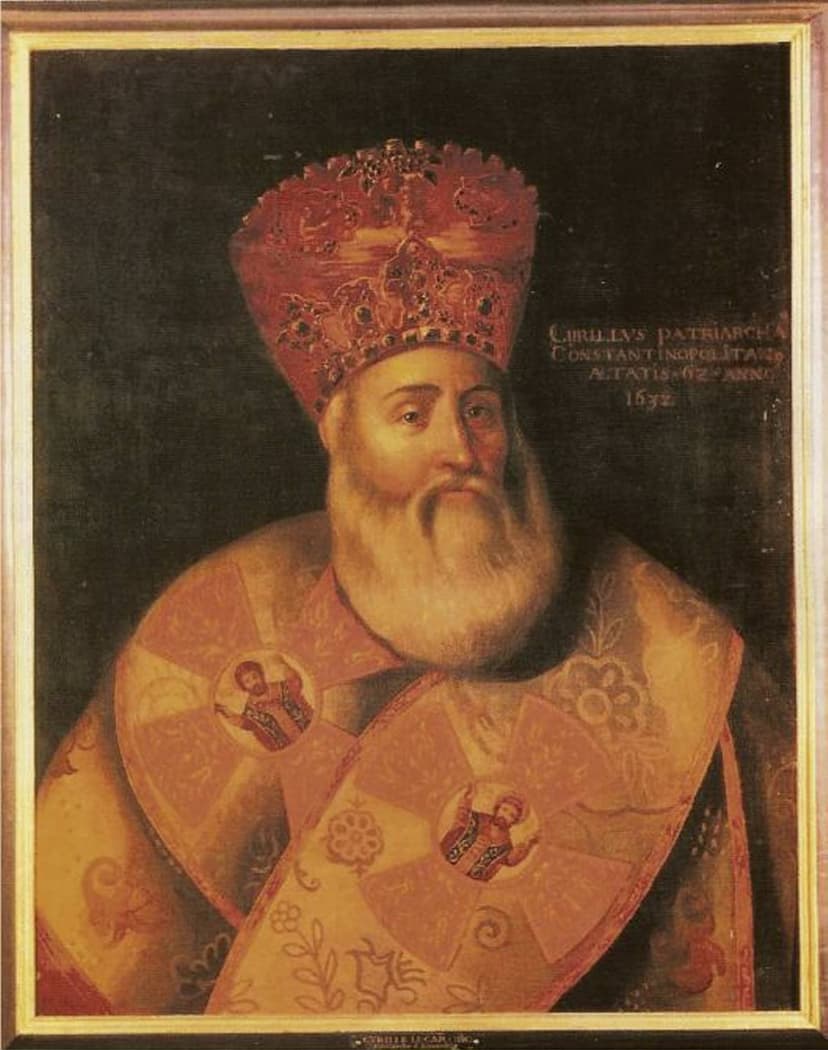
Cyril Lucaris
Cyril Lucaris was a Greek prelate and theologian who served as Patriarch of Alexandria and Ecumenical Patriarch of Constantinople. He is remembered for his attempts to reform the Eastern Orthodox Church along Calvinist lines, a controversial endeavor that led to his condemnation by some synods but later acquittal by others. Cyril Lucaris was eventually martyred, strangled by Janissaries in 1638, and is locally venerated as a hieromartyr.