
Yerpa
Tibetan Buddhism·Tibet·Partially restored, with restricted monastic presence·Pre-Buddhist era
Yerpa is a historic monastic complex and collection of ancient meditation caves located east of Lhasa, Tibet. It served as a significant center for Buddhist practice and retreat, with a history stretching back to pre-Buddhist times and strong associations with key figures like Songtsen Gampo and Padmasambhava. Once home to around 300 monks, the complex suffered extensive destruction but has seen partial restoration, though its monastic community remains strictly controlled.
Key Facts
- ›Contains some of the earliest known meditation sites in Tibet, potentially pre-dating Buddhism.
- ›Traditionally linked to meditations by Songtsen Gampo and his Queen, Monza Triucham.
- ›Padmasambhava (Guru Rinpoche) meditated here and spent significant time in the Dawa Puk cave.
- ›Formerly housed approximately 300 monks and served as a summer residence for the Gyuto Lhasa Tantric College.
- ›Suffered complete destruction during the Cultural Revolution but has undergone partial restoration.
- ›Has experienced government intervention regarding unauthorized constructions and monastic numbers.
Ancient Meditation Caves, Spectacular Limestone Cliffs, Ancient Sky Burial Site, Dawa Puk Cave, Peu Marsergyi Temple, Chogyel Puk
Brag Yer-Pa, Drak Yerpa, Druk Yerpa, Dagyeba, Dayerpa, Trayerpa
Songtsen Gampo, Monza Triucham, Padmasambhava, Yeshe Tsogyal, Lhalung Pelgyi Dorje, Atisha, Trisong Detsen, Klu-Mes Tshul-Khrims, Je Tsongkhapa, KhöNtöN Rinpoché, Gesar of Ling
- Founding of Temples By Songtsen Gampo and Monza Triucham.
- Meditation and Practice By Padmasambhava and Yeshe Tsogyal.
- Hiding and Meditation of Lhalung Pelgyi Dorje After Assassinating Emperor Langdarma.
- Preaching By Atisha.
- Refurbishing By Klu-Mes Tshul-Khrims.
- Gelug Control After Reformation By Je Tsongkhapa.
- Revolt of Sera and Drepung Monks In 1618, With KhöNtöN Rinpoché Taking Refuge.
- Destruction of the Drubde Monastery In 1959.
- Complete Destruction of the Complex During the Cultural Revolution .
- Partial Restoration of Cave Temples and Drag Yerpa.
- Government Notices Posted Against 'Counter-Revolutionary Activities' In 1987.
- Demolition of Unauthorized Chapels In 1998.
About Yerpa
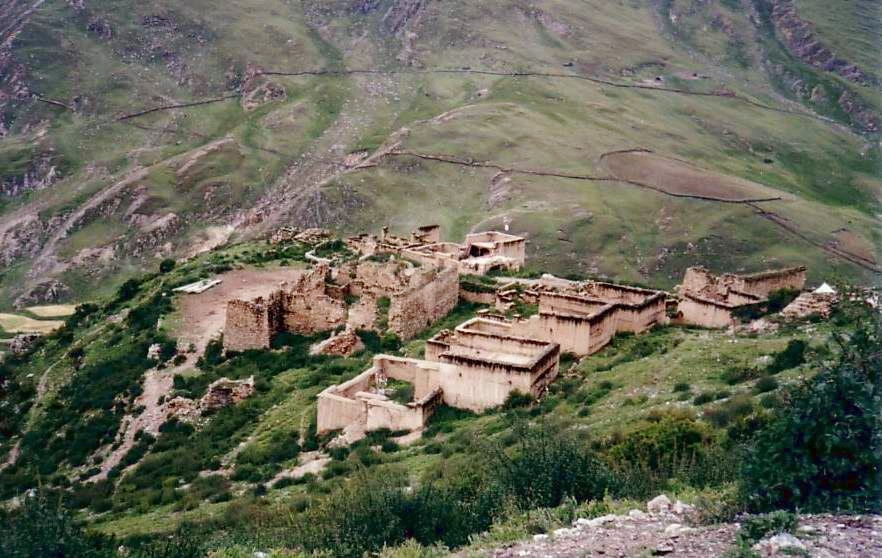
Yerpa, also known by various names including Brag Yer-pa and Drak Yerpa, is a historically significant monastic site and a collection of ancient meditation caves situated in the Yerpa Valley, a short distance to the east of Lhasa, Tibet. The valley is known for its spectacular limestone cliffs, which contain some of the earliest known meditation sites in Tibet, with traditions suggesting origins predating Buddhism. These sacred sites have been associated with profound spiritual practices and the presence of many influential figures in Tibetan Buddhism.
History and Significance
The history of Yerpa is deeply intertwined with the early development of Buddhism in Tibet. Traditions connect the site to Songtsen Gampo, the first emperor of a united Tibet, and his queen Monza Triucham, who founded the Dra Yerpa temple. Songtsen Gampo and his foreign-born queens are said to have meditated here, discovering 'self-originated' symbols of the Buddha's body, speech, and mind. Later, the great tantric master Padmasambhava, or Guru Rinpoche, meditated and practiced here, spending seven months in Dawa Puk, a cave considered one of his most important places of attainment. Following the assassination of the anti-Buddhist Emperor Langdarma in 842 CE, Lhalung Pelgyi Dorje is said to have hidden and meditated in a cave at Yerpa for 22 years.
Yerpa became recognized as one of the three most important centers for meditation and retreat in Central Tibet. The scholar Atisha also preached extensively in the valley in the 11th century. While Atisha's hermitage is now in ruins, historical accounts indicate that around 300 monks resided at Yerpa from the 19th century until 1959, and it also served as the summer quarters for the Gyuto Lhasa Tantric College. The site passed to Gelug control after the reforms of Je Tsongkhapa.
Destruction and Restoration
Yerpa suffered immense destruction during the 20th century. The Drubde monastery, serving as the summer residence for the Gyutö College, was destroyed in 1959. The entire complex, including the Drag Yerpa monastery, was completely ruined during the Cultural Revolution (1966–1976). In the aftermath, voluntary labor and donations facilitated the partial restoration of some cave temples and Drag Yerpa. However, the site has faced further challenges, including government intervention in 1987 with warnings against 'counter-revolutionary activities' and the demolition of unauthorized chapels in 1998. The number of monks permitted at Yerpa remained strictly controlled in 2008, indicating a significant shift from its historical prominence as a large monastic community.
Source: Wikipedia ↗
Frequently Asked Questions
Where is Yerpa located?
Yerpa is situated on a hillside in Dagzê County, a short drive to the east of Lhasa, Tibet. The valley entrance is about 16 kilometers northeast of Lhasa on the northern bank of the Kyichu River.
What is the historical significance of Yerpa?
Yerpa is considered one of the earliest meditation sites in Tibet, with traditions linking it to pre-Buddhist times. It became a crucial center for meditation and retreat in Central Tibet and is associated with prominent figures in Tibetan Buddhism.
Who are some notable figures associated with Yerpa?
Key figures include Songtsen Gampo, who founded a temple here with his queen, and Padmasambhava (Guru Rinpoche), who meditated extensively in the Dawa Puk cave. Atisha also preached in the valley.
What happened to Yerpa during the 20th century?
The monastery and summer residence of the Gyutö College were destroyed in 1959. During the Cultural Revolution (1966-1976), the entire complex was completely destroyed. Some restoration has occurred since then, but monastic numbers are strictly controlled.
Is Yerpa currently an active monastery?
While some cave temples and the Drag Yerpa monastery have been partially restored, the number of monks allowed at Yerpa has been strictly controlled by the government since at least 2008. It is not a large, fully independent monastic community as it once was.
Related Monasteries

Drepung
Drepung Monastery, meaning "Rice Heap Monastery," is one of the "great three" Gelug monasteries of Tibet and the largest of all Tibetan monasteries. Founded in 1416, it served as the principal seat of the Gelug school and was renowned for its high academic standards, often referred to as the "Nalanda of Tibet." The Ganden Phodrang within Drepung was the residence of the Dalai Lamas until the construction of the Potala Palace.

Drigung
Drigung Thil Monastery, established in 1179, is a significant monastic seat of the Drikung Kagyu tradition of Tibetan Buddhism. Historically, it held considerable religious and political influence until its destruction by Mongol forces in 1290. Though rebuilt, it primarily functioned as a center for meditative studies and was again severely damaged after 1959, with partial reconstruction commencing in 1983. As of 2015, it housed approximately 250 resident monks and remains a site of pilgrimage.

Ganden
Ganden Monastery, founded in 1409 by Je Tsongkhapa, is one of the three principal Gelug university monasteries of Tibet. Located northeast of Lhasa, it served as the seat of the Ganden Tripa, the head of the Gelug school, and housed significant religious traditions and educational colleges. Although largely destroyed in 1959 and during the Cultural Revolution, it has been partially rebuilt and a similar monastery was established by Tibetan exiles in India.