
Yerpa
Yerpa, also known as Brag Yer-pa, is a significant historical and spiritual site in Tibet, located east of Lhasa. It comprises a monastery and ancient meditation caves, some dating back to pre-Buddhist times, and was once home to approximately 300 monks. Its historical importance is underscored by its association with key figures in Tibetan Buddhism, including Songtsen Gampo, Padmasambhava, and Atisha, making it a crucial center for meditation and retreat.
Key Facts
- ›Yerpa features ancient meditation caves, some predating Buddhism, and temples historically linked to Songtsen Gampo.
- ›Padmasambhava (Guru Rinpoche) meditated in the valley, with the 'Dawa Puk' considered one of his most important places of attainment.
- ›Atisha preached extensively in the valley, and his hermitage, though now in ruins, housed 300 monks in the 19th century.
- ›The site was a major center for meditation and retreat in Central Tibet, historically associated with the Kadampa and later Gelug traditions.
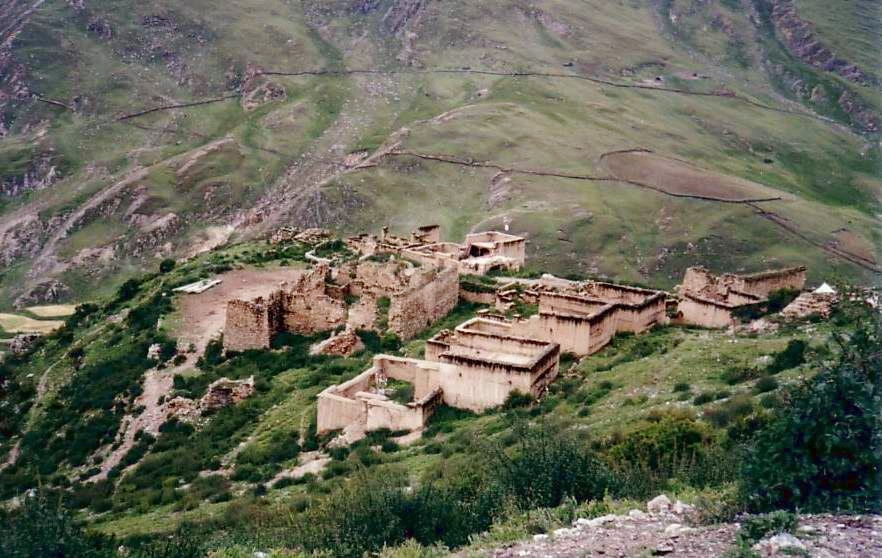
- ›The monastery and the entire complex were largely destroyed during the Cultural Revolution but have been partially restored.
- ›Yerpa was home to around 300 monks from the 19th century until 1959 and served as a summer residence for the Gyuto Lhasa Tantric College.
Important Relationships
- Songtsen Gampo
- Padmasambhava
- Atisha
- Lhalung Pelgyi Dorje
- Langdarma
- Je Tsongkhapa
- Sera Monastery
- Drepung Monastery
- Taklung Monastery
- Gyuto Lhasa Tantric College
Ancient Meditation Caves, Spectacular Limestone Cliffs, Sky Burial Site, 'Peu Marsergyi Temple', 'Chogyel Puk', 'Dawa Puk', Atisha's Hermitage
- Meditation of Songtsen Gampo and His Queens
- Meditation of Padmasambhava and Yeshe Tsogyal
- Meditation of Lhalung Pelgyi Dorje After Assassinating Langdarma
- Preaching By Atisha
- Revolt of Sera and Drepung Monks In 1618
- Destruction During the Cultural Revolution
- Government Demolition of Unauthorized Chapels In 1998
About Yerpa
Yerpa, also known by various names including Brag Yer-pa, Drak Yerpa, and Trayerpa, is a historically significant monastic complex and a collection of ancient meditation caves situated in Tibet, a short distance to the east of Lhasa. This remarkable site, set within the spectacular limestone cliffs of the Yerpa Valley, once housed approximately 300 monks and served as a crucial center for spiritual practice and retreat in Central Tibet. Its importance is deeply rooted in its long history, with some of its earliest meditation sites believed to predate Buddhism.
Historical Significance
The history of Yerpa is interwoven with pivotal figures in Tibetan Buddhism. Tradition connects the earliest temples and hermitages to Songtsen Gampo, the first emperor of a united Tibet, who reigned from 604 to 650 CE. His Tibetan queen, Monza Triucham, is credited with founding the Dra Yerpa temple. Songtsen Gampo, along with his foreign-born queens, is said to have meditated in caves here, discovering profound symbols of the Buddha's physical, verbal, and mental manifestations. Later, the renowned tantric master Padmasambhava, or Guru Rinpoche, meditated and practiced tantric yoga in the valley in the late 8th to early 9th century, spending seven months in the 'Dawa Puk,' which is considered one of his most significant places of attainment. The valley also holds historical connection to Lhalung Pelgyi Dorje, who is said to have meditated in a cave for 22 years after assassinating the anti-Buddhist Emperor Langdarma in 842 CE.
Spiritual Hub and Later Developments
Yerpa evolved into one of the three paramount centers for meditation and retreat in Central Tibet. The Indian scholar Atisha (982–1054 CE) also preached extensively in the valley, and his hermitage, though now in ruins, was substantial enough to accommodate 300 monks in the 19th century and served as the summer quarters for the Ramoche Monastery's Upper Tantric College. The site later came under Gelug control after reforms by Je Tsongkhapa (1357–1419). The monastery experienced significant upheaval, including a loss of wealth and a period under Taklung Monastery's jurisdiction after the events of 1618. From the early 19th century until 1959, Yerpa maintained a community of around 300 monks and was a summer residence for the Gyuto Lhasa Tantric College.
Destruction and Restoration
The complex suffered severe damage during the Cultural Revolution (1966–76), when the Drag Yerpa monastery and the summer residence of the Upper Tantric College were completely destroyed. Subsequent efforts, utilizing voluntary labor and donations, led to the partial restoration of some cave temples and Drag Yerpa. However, the site has faced continued challenges, including police intervention in 1987 and the demolition of unauthorized chapels in 1998, with the number of monks allowed at Yerpa remaining strictly controlled as of 2008.
Source: Wikipedia ↗
Frequently Asked Questions
Where is Yerpa located?
Yerpa is located on a hillside in Dagzê County, a short drive to the east of Lhasa, Tibet. The entrance to the Yerpa Valley is about 16 kilometers northeast of Lhasa on the northern bank of the Kyichu River.
What is Yerpa known for historically?
Yerpa is known for its ancient meditation caves, some dating back to pre-Buddhist times, and its historical connections to important figures like Songtsen Gampo and Padmasambhava. It was a significant center for meditation and retreat in Central Tibet.
Who are some of the famous figures associated with Yerpa?
Key figures associated with Yerpa include Songtsen Gampo, who founded the Dra Yerpa temple; Padmasambhava (Guru Rinpoche), who meditated there; and Atisha, who preached extensively in the valley. Lhalung Pelgyi Dorje is also said to have meditated in a cave for 22 years after assassinating Emperor Langdarma.
What happened to Yerpa during the Cultural Revolution?
During the Cultural Revolution (1966–76), the entire complex at Yerpa, including the Drag Yerpa monastery and the Upper Tantric College summer residence, was completely destroyed. Some cave temples and Drag Yerpa have since been partially restored.
What was the monastic population at Yerpa?
From at least the beginning of the 19th century until 1959, there were approximately 300 monks living at Yerpa. It also served as a summer residence for the Gyuto Lhasa Tantric College.
Related Buddhist Temples

Khorzhak Monastery
Khorzhak Monastery, also known as Korchak Monastery, is a significant Buddhist site located in western Tibet near the Indian border. It is renowned for its large red wall inscribed with the "Om Mani Padme Hum" mantra and holds historical importance as a former Kagyu monastery.

Ralung Monastery
Ralung Monastery, located in the Tsang region of western Tibet, is the historical seat of the Drukpa Lineage of Tibetan Buddhism. Founded in 1180 by Tsangpa Gyare, it holds significant religious importance as the origin point of the Drukpa school, which remains influential in Tibet and Bhutan. The monastery's name, meaning "heart of a lotus," reflects its auspicious and protected location.
Samding Monastery
Samding Monastery, known as "The Temple of Soaring Meditation," is a significant 13th-century Tibetan Buddhist monastery located on a peninsula overlooking Yamdrok Lake. It holds unique importance as the seat of Dorje Pakmo, the highest-ranking female incarnation in Tibet and a spiritual figure associated with the Bodong, Nyingma, and Shangpa Kagyu schools.