
Tongland Abbey
Tongland Abbey was a Premonstratensian monastic community in Scotland, likely founded around 1218. Its early history is largely obscure, though it gained some notoriety during the tenure of Abbot John Damian, an Italian alchemist. By the early 16th century, the abbey's fabric and discipline had declined significantly, leading to attempts at reform and eventual grant to the bishop of Galloway.
Key Facts
- ›Founded circa 1218 by Alan, Lord of Galloway.
- ›Belonged to the Premonstratensian order.
- ›Notable abbot John Damian, an Italian alchemist, served from 1504-1509.
- ›Experienced a decline in fabric and discipline by the early 16th century.
- ›Eventually granted to the bishop of Galloway in 1529.
- ›The modern village of Tongland exists at the abbey's site.
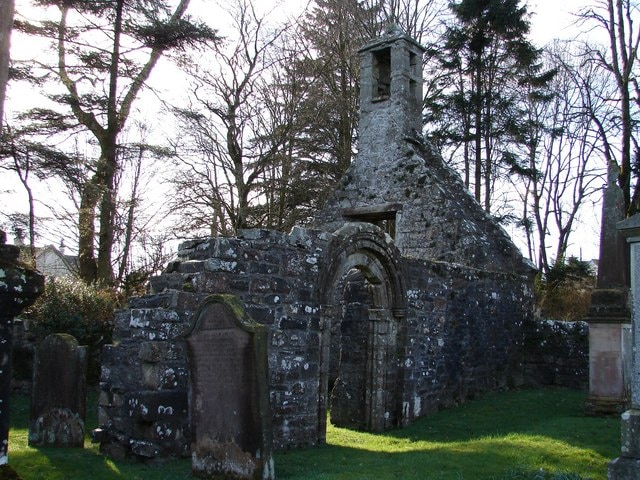
Site of A Historical Monastic Community
Alan, Lord of Galloway, Uchtred, John Damian, James Iv of Scotland, James V of Scotland, William Melville
- Grant of the Church of Tongland To Holyrood Abbey By Uchtred .
- Founding of the Abbey .
- Tenure of Abbot John Damian .
- Petition To Rome For Reform of Discipline and Repair of Ruins .
- Grant of Tongland To the Bishop of Galloway .
- Confirmation of Grant To the Bishop .
- Commendatorship of William Melville .
About Tongland Abbey
Tongland Abbey was a Premonstratensian monastic community situated in Tongland, within the historical county of Kirkcudbrightshire in Dumfries and Galloway, Scotland. Its founding is generally attributed to Alan, Lord of Galloway, around 1218, though the church at Tongland had earlier been granted to Holyrood Abbey by his grandfather, Uchtred, in the early 1160s. The early history of Tongland Abbey is marked by a significant degree of obscurity, with few of its initial abbots being well-documented.
Historical Context and Notability
The abbey gained a measure of notoriety during the abbacy of John Damian (Giovanni Damiano de Falcucci), an Italian alchemist who presided from 1504 to 1509. While a satirical account by William Dunbar suggests Damian may have attempted human-powered flight from Stirling Castle during his tenure, there is no concrete evidence that he ever resided at Tongland Abbey itself. By the early sixteenth century, the abbey's physical condition and adherence to its monastic discipline had notably deteriorated. This decline prompted royal intervention; King James IV petitioned Rome for the abbey's title to be transferred to David, bishop of Galloway, with a mandate to reform its discipline and repair its ruins. Similar petitions were made under King James V, and Tongland was ultimately granted to the bishop of Galloway in 1529 and confirmed in 1541.
Later History and Legacy
Tongland Abbey remained a possession of the bishopric until the commendatorship of William Melville, which lasted from 1588 to 1606. Following Melville's commendatorship, the abbey reverted to the direct control of the bishop. Today, the modern village of Tongland exists at the site of the former abbey, though few historical remnants are clearly identified as belonging to the monastic structures.
Source: Wikipedia ↗
Frequently Asked Questions
When was Tongland Abbey founded?
Tongland Abbey was likely founded around the year 1218. The land for the church of Tongland had been granted to Holyrood Abbey by Uchtred in the early 1160s, prior to this founding.
Who founded Tongland Abbey?
The abbey was probably founded by Alan, Lord of Galloway. His grandfather, Uchtred, had previously granted the church of Tongland to Holyrood Abbey.
Was John Damian a significant figure at Tongland Abbey?
John Damian, an Italian alchemist, served as abbot of Tongland from 1504 to 1509. While a satirical account suggests he may have attempted human-powered flight from Stirling Castle, there is no evidence he ever resided at the abbey.
What happened to Tongland Abbey in the 16th century?
By the early 16th century, the abbey's fabric and discipline had deteriorated. King James IV and later King James V petitioned Rome for reforms, and Tongland was eventually granted to the bishop of Galloway in 1529.
What is the current status of Tongland Abbey?
The historical records indicate that the village of Tongland now exists at the site of the former abbey. There is no information suggesting the active monastic community or preserved structures remain.
Related Monasteries
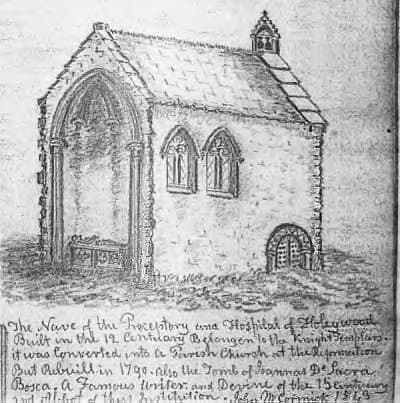
Dercongal Abbey
Dercongal Abbey, also known as Holywood Abbey, was a Premonstratensian monastic community in Dumfriesshire, Scotland. While its exact foundation date is unknown, it was active by 1225, with tradition suggesting a founding by Saint Vimin or Alan, Lord of Galloway. The abbey became secularized in the 16th century, and its ruins were largely demolished by the late 18th century, though fragments and a bell from 1505 survive.
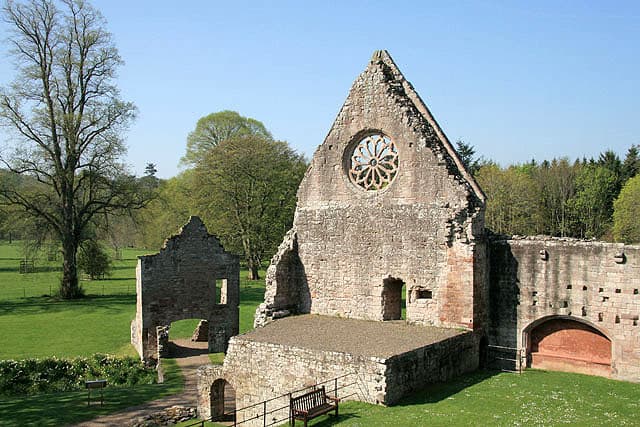
Dryburgh Abbey
Dryburgh Abbey, situated near the River Tweed in the Scottish Borders, was founded in 1150 by Premonstratensian canons. Despite significant destruction from English raids in the 14th and 16th centuries, the abbey experienced periods of restoration and flourished in the 15th century. Today, it stands as a designated scheduled monument, with its grounds serving as the final resting place for notable figures like Sir Walter Scott and Douglas Haig.
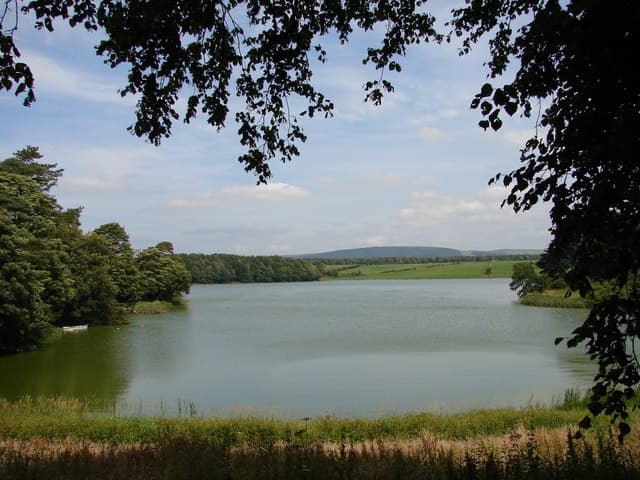
Soulseat Abbey
Soulseat Abbey was a Premonstratensian monastic community located in Wigtownshire, Scotland, founded by Fergus, Lord of Galloway, and potentially Bishop Christian of Galloway. While its exact foundation date is debated, it likely predates 1161 and may have originated from a Cistercian monastery established by St. Malachy. The abbey, named from the Gaelic "Sabhal" and later Latinized to "Sedes Animarum," was situated on a peninsula in Soulseat Loch and suffered devastation during 14th-century wars, eventually becoming secularized by the 15th century.