
Dryburgh Abbey
Dryburgh Abbey, situated near the River Tweed in the Scottish Borders, was founded in 1150 by Premonstratensian canons. Despite significant destruction from English raids in the 14th and 16th centuries, the abbey experienced periods of restoration and flourished in the 15th century. Today, it stands as a designated scheduled monument, with its grounds serving as the final resting place for notable figures like Sir Walter Scott and Douglas Haig.
Key Facts
- ›Founded in 1150 by Premonstratensian canons from Alnwick Abbey.
- ›Suffered significant destruction from English troops in 1322 and 1385.
- ›Restored and known to have flourished in the fifteenth century.
- ›Burned again in 1544, and finally destroyed in 1544.
- ›Now a designated scheduled monument.
- ›The grounds are the burial site for Sir Walter Scott and Douglas Haig.
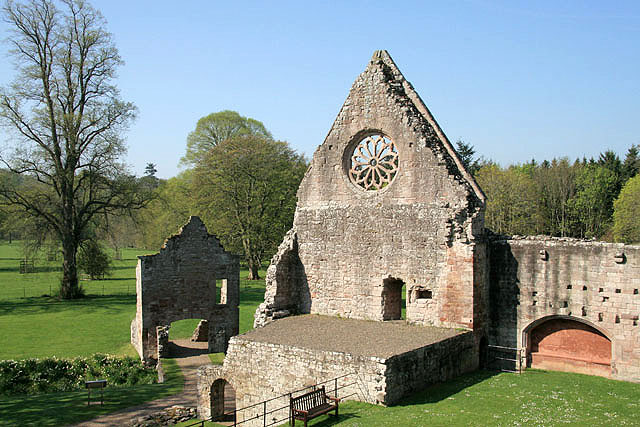
Burial Site of Sir Walter Scott, Burial Site of Douglas Haig, River Tweed Setting
Hugh De Morville, Roger, Sir Walter Scott, Douglas Haig
- Burned By English Troops In 1322
- Burned By Richard Ii In 1385
- Destroyed In 1544
- Burned By Edward Seymour, Earl of Hertford In 1544 and 1545
About Dryburgh Abbey
Dryburgh Abbey is a historic monastic ruin located near Dryburgh on the banks of the River Tweed in the Scottish Borders. Nominally founded on November 10, 1150, its establishment was formalized through an agreement between Hugh de Morville, Constable of Scotland, and Premonstratensian canons from Alnwick Abbey. The arrival of these canons, along with their first abbot, Roger, took place on December 13, 1152.
History and Destruction
The abbey's history is marked by significant destruction. It was burned by English troops in 1322, subsequently restored, only to be burned again by Richard II in 1385. Despite these setbacks, Dryburgh Abbey flourished in the fifteenth century. Its final destruction occurred in 1544 during hostilities between Scotland and England, with further burning in 1545 by Edward Seymour, Earl of Hertford. It briefly survived until the Scottish Reformation, after which it was granted to the Earl of Mar by James VI.
Notable Features and Current Status
Today, Dryburgh Abbey is a designated scheduled monument, preserving its historical significance. The surrounding landscape is recognized within the Inventory of Gardens and Designed Landscapes in Scotland. The abbey's grounds hold particular poignancy as the burial place for notable figures, including the renowned author Sir Walter Scott and Field Marshal Douglas Haig. Their tombs and memorials are collectively designated as a Category A listed building, underscoring the site's enduring cultural importance.
Source: Wikipedia ↗
Frequently Asked Questions
When was Dryburgh Abbey founded?
Dryburgh Abbey was nominally founded on November 10, 1150. The Premonstratensian canons officially arrived with their first abbot on December 13, 1152.
What religious order founded Dryburgh Abbey?
Dryburgh Abbey was founded by the Premonstratensian canons regular, an order established by St. Norbert of Xanten. They followed an austere monastic life with a duty to preach and teach.
What significant historical events affected Dryburgh Abbey?
The abbey was burned by English troops in 1322 and again by Richard II in 1385. It was finally destroyed in 1544 and again in 1545 by Edward Seymour, Earl of Hertford.
Who is buried at Dryburgh Abbey?
The grounds of Dryburgh Abbey are the burial place for prominent figures, including the celebrated author Sir Walter Scott and the World War I field marshal Douglas Haig.
What is the current status of Dryburgh Abbey?
Dryburgh Abbey is now a designated scheduled monument, indicating its importance as a historical site. The surrounding landscape is also recognized in the Inventory of Gardens and Designed Landscapes in Scotland.
Related Monasteries
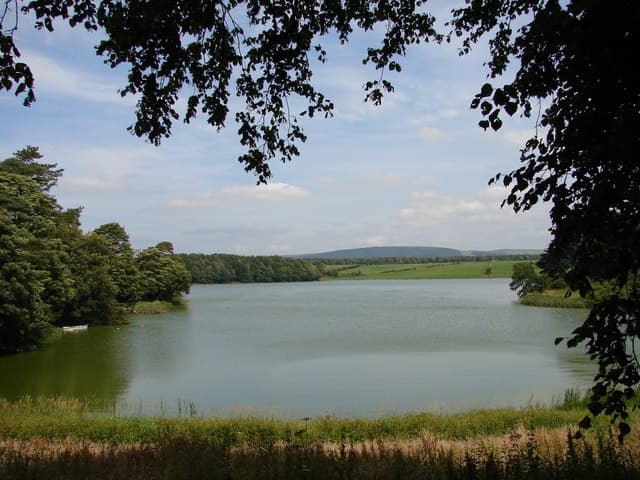
Soulseat Abbey
Soulseat Abbey was a Premonstratensian monastic community located in Wigtownshire, Scotland, founded by Fergus, Lord of Galloway, and potentially Bishop Christian of Galloway. While its exact foundation date is debated, it likely predates 1161 and may have originated from a Cistercian monastery established by St. Malachy. The abbey, named from the Gaelic "Sabhal" and later Latinized to "Sedes Animarum," was situated on a peninsula in Soulseat Loch and suffered devastation during 14th-century wars, eventually becoming secularized by the 15th century.
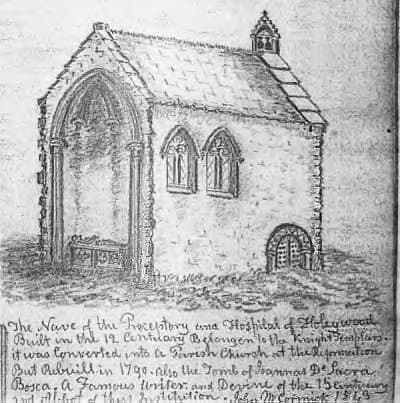
Dercongal Abbey
Dercongal Abbey, also known as Holywood Abbey, was a Premonstratensian monastic community in Dumfriesshire, Scotland. While its exact foundation date is unknown, it was active by 1225, with tradition suggesting a founding by Saint Vimin or Alan, Lord of Galloway. The abbey became secularized in the 16th century, and its ruins were largely demolished by the late 18th century, though fragments and a bell from 1505 survive.
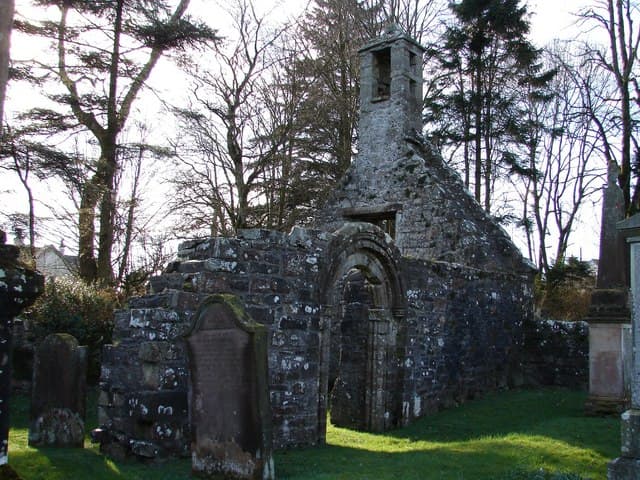
Tongland Abbey
Tongland Abbey was a Premonstratensian monastic community in Scotland, likely founded around 1218. Its early history is largely obscure, though it gained some notoriety during the tenure of Abbot John Damian, an Italian alchemist. By the early 16th century, the abbey's fabric and discipline had declined significantly, leading to attempts at reform and eventual grant to the bishop of Galloway.