
Premonstratensian
The Order of Canons Regular of Prémontré, also known as the Premonstratensians or White Canons, is a Catholic religious order founded in 1120 by Norbert of Xanten. Influenced by Cistercian ideals and following the Rule of St. Augustine, they are canons regular, meaning their work often involves preaching and pastoral ministry, serving in parishes near their abbeys. The order experienced significant growth in its early centuries, played a role in Christianizing parts of Eastern Europe, and, after near extinction following the Reformation and French Revolution, saw a revival in the 19th century, now with a global presence.
Key Facts
- ›Founded in 1120 by Norbert of Xanten at Prémontré, France.
- ›Follow the Rule of St. Augustine with supplementary statutes emphasizing austerity and common prayer.
- ›Known for pastoral work, including parishes, retreat centers, and schools.
- ›Experienced near extinction in the 19th century but underwent a revival.
- ›Includes both male canons regular and female canonesses, with a tradition of spiritual equality.
- ›Maintains its own Premonstratensian Rite, characterized by ritual solemnity and an emphasis on the Paschal mystery.

- Premonstratensian Rite
- St. Norbert College
- Activities Include Printing, Farming, Forestry, Cheese-Making, Brewing, and Artistic Bookbinding.
Order of Canons Regular of PréMontré, Norbertines, White Canons
Norbert of Xanten, Bernard of Clairvaux, Pope Honorius Ii, Robert John Cornell, Prokop Diviš, Werenfried Van Straaten, Hermann Joseph, Norbertine Saints and Blesseds
- Founded In 1120.
- Received Papal Approbation In 1126.
- Played A Role In the Conversion of the Wends.
- Arrived In England Around 1143.
- Suffered Devastation During the Reformation and French Revolution.
- Experienced A Revival In the 19th Century.
- Father Bernard Pennings Arrived In the United States In 1893.
About Premonstratensian
The Premonstratensian Order
The Order of Canons Regular of Prémontré, commonly known as the Premonstratensians or the Norbertines, is a Catholic religious order established in 1120. Founded by Saint Norbert of Xanten at Prémontré near Laon in northeastern France, the order follows the Rule of Saint Augustine, supplemented by statutes that emphasize austerity and common prayer. The Premonstratensians are canons regular, distinguishing them from monks, and their vocations typically involve active pastoral ministry, including serving in parishes, conducting retreats, and operating educational institutions.
History and Development
From its founding, the Premonstratensian Order grew rapidly, receiving papal approbation in 1126. By the mid-14th century, it comprised over 1,300 monasteries for men and 400 for women, playing a significant role in the Christianization of territories around the Elbe and Oder rivers. The order's history has been marked by periods of expansion and contraction, with significant challenges posed by the Reformation and the French Revolution, which led to a near collapse by the early 19th century. A subsequent revival in the 19th and 20th centuries has seen the order re-establish itself globally, with communities now present on every continent.
Spiritual Life and Apostolates
Premonstratensian communities, both male and female (canonesses), are autonomous, guided by the Rule of Saint Augustine and the Constitutions established by their General Chapter. While some houses are contemplative, others are actively engaged in pastoral care, running schools, and various manual activities such as printing, farming, and cheese-making to support themselves. The order also maintains its own Premonstratensian Rite, notable for its ritual solemnity and a distinct emphasis on the Paschal mystery, including unique liturgical practices. The spiritual life of the canonesses is held in equal regard to that of the canons, reflecting a long-standing tradition of spiritual equality within the order.
Source: Wikipedia ↗
Frequently Asked Questions
When was the Premonstratensian Order founded?
The Order of Canons Regular of Prémontré was founded in 1120. It was established in Prémontré, near Laon, in northeastern France.
What is the primary work of the Premonstratensians?
As canons regular, Premonstratensians are active in pastoral ministry, often serving in parishes close to their abbeys and priories. Their work also includes preaching, operating retreat centers, and running schools.
What is the significance of the color of their habit?
The Premonstratensians are also known as the White Canons due to the color of their habit. This distinctive feature has been associated with the order since its inception.
Did the order face challenges throughout its history?
Yes, the Premonstratensian Order faced significant devastation from events like the Reformation and the French Revolution, which led to near extinction by the early 19th century. However, the order experienced a revival and has since expanded its presence globally.
Do women belong to the Premonstratensian Order?
Yes, the Order includes abbeys of women known as canonesses, who follow the life of an enclosed religious order and are often termed Norbertine nuns. Their spiritual life is considered to be on an equal footing with that of the priests and lay brothers within the order.
What is unique about the Premonstratensian Rite?
The Premonstratensian Rite is characterized by its ritual solemnity and a particular emphasis on the Paschal mystery. Unique practices included solemn celebrations during the Easter octave and the daily votive Mass in honor of the Virgin Mary.
Related Monasteries
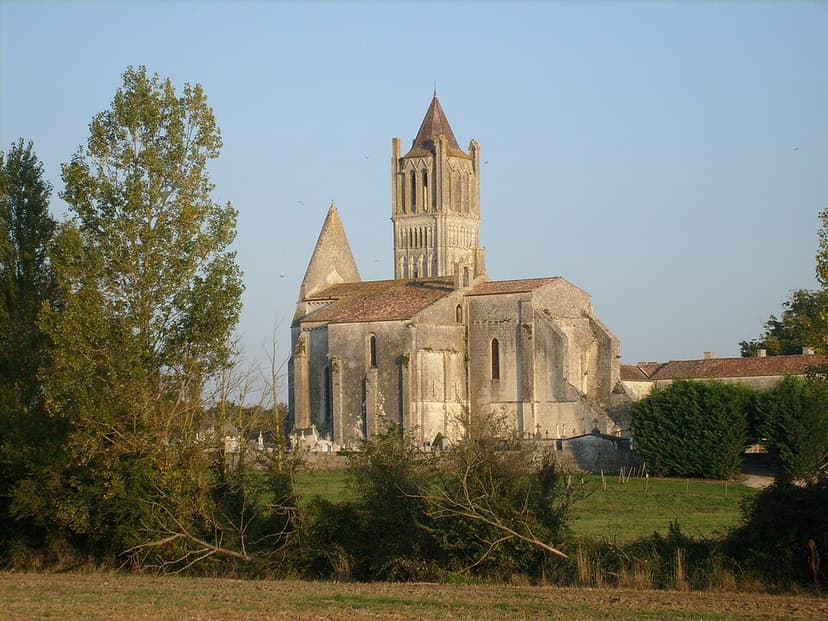
Sablonceaux Abbey
Sablonceaux Abbey is a former Augustinian monastery established in 1136 by William X, Duke of Aquitaine, in Sablonceaux, France. Initially built in the Romanesque style, it underwent significant Gothic alterations after damage during the Hundred Years' War. Despite periods of decline and damage during the French Revolution, the abbey has seen restoration efforts and is now home to the Chemin Neuf Community, serving as a spiritual center and artistic establishment.

Abbey of Saint-Germain-des-Prés
The Abbey of Saint-Germain-des-Prés, originally a Benedictine abbey founded in 558, is one of the oldest churches in Paris. It served as a significant center for scholarship, producing illuminated manuscripts, and was a royal necropolis. Despite destruction by Vikings and damage during the French Revolution, the church has undergone numerous rebuilds and restorations, incorporating Romanesque, Gothic, and later decorative styles, and remains an active Catholic parish church.
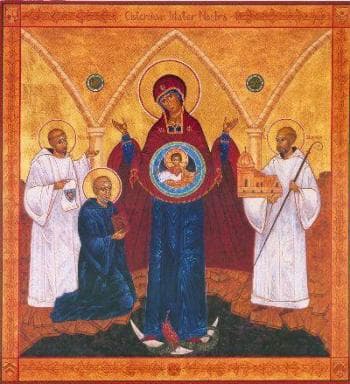
Bernardine Cistercians of Esquermes
The Bernardine Cistercians of Esquermes are a distinct branch of the Cistercian Order, adhering to the Rule of St. Benedict and actively engaged in the Catholic Church's mission through education and hospitality. Originating from three suppressed abbeys following the French Revolution, the order was re-established by determined sisters in Esquermes, near Lille, in 1799. Today, eight monasteries in six countries form this united community, continuing their spiritual life and apostolates.