
Sablonceaux Abbey
Sablonceaux Abbey is a former Augustinian monastery established in 1136 by William X, Duke of Aquitaine, in Sablonceaux, France. Initially built in the Romanesque style, it underwent significant Gothic alterations after damage during the Hundred Years' War. Despite periods of decline and damage during the French Revolution, the abbey has seen restoration efforts and is now home to the Chemin Neuf Community, serving as a spiritual center and artistic establishment.
Key Facts
- ›Founded in 1136 by William X, Duke of Aquitaine.
- ›Originally established as an Augustinian monastery.
- ›The bell tower was rebuilt in the Gothic style following damage.
- ›Suffered damage and was sold as a national asset during the French Revolution.
- ›Restored starting in 1962 under the initiative of André Malraux.
- ›Currently occupied by the Chemin Neuf Community.
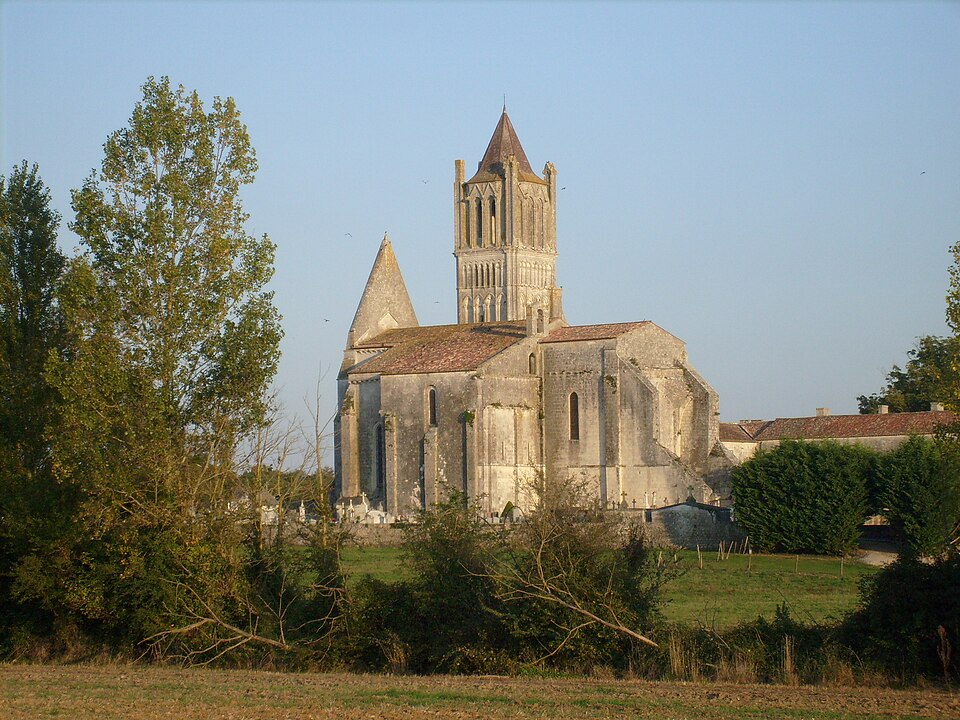
Romanesque, Gothic
Original Romanesque Church With Three Cupolas, Gothic-Style Bell Tower, Sanctuary Restored Starting In 1962
Abbaye De Sablonceaux
William X, Duke of Aquitaine, Anacletus Ii, Pope Innocent Ii, Saint Bernard of Clairvaux, Henri D'Escoubleau De Sourdis, André Malraux
Papal Schism of 1130, Hundred Years' War, French Wars of Religion, French Revolution, World War Ii
About Sablonceaux Abbey
Sablonceaux Abbey, known in French as Abbaye de Sablonceaux, is a former Augustinian monastery situated in the commune of Sablonceaux within the Charente-Maritime department of south-western France. Its establishment in 1136 by William X, Duke of Aquitaine, marked a significant religious foundation in the region. The Duke's decision was influenced by the papal schism of 1130 and the intervention of Saint Bernard of Clairvaux, leading him to offer two monastic foundations to the Church.
History and Architecture
The abbey's construction commenced before 1160, and it quickly rose to prominence, benefiting from the consistent support of the archbishop of Bordeaux. The original church was designed in the Romanesque style, characterized by a nave featuring three cupolas. The abbey's history is marked by periods of conflict and change. During the Hundred Years' War, it faced threats of destruction, and its bell tower sustained damage, later being rebuilt in the Gothic style that is still visible today.
Further challenges arose during the French Wars of Religion, with battles occurring around the abbey, which maintained its support for the Catholic cause. This era also saw a decline in the community's moral standards. By 1633, Sablonceaux Abbey came under the administration of Chancelade Abbey and experienced the introduction of commendatory abbots, who worked to reverse the spiritual decline.
Decline and Restoration
The French Revolution brought further upheaval, as the abbey was confiscated and sold as a 'national asset,' leading to the quarrying of its limestone buildings and the destruction of two of the church's cupolas. Although it briefly served as a place of prayer in the 19th century, it was closed by the bishop of La Rochelle due to the dangerous state of the structures and subsequently passed through multiple private owners, falling further into ruin. In 1907, the Ministry of Culture intervened to protect the church by granting it the status of a monument historique, though the decay of other buildings continued. During World War II, parts of the site were used as an orphanage, and later as a dairy.
Modern Era
A significant turning point occurred in 1962 when André Malraux, the Minister of Culture, ordered the restoration of the sanctuary, a project that spanned two decades. In 1986, the diocese of La Rochelle acquired the abbey with the vision of transforming it into a spiritual center, a retreat house, and an artistic establishment. This mission was entrusted to the Chemin Neuf Community, who now occupy the site and continue its legacy as a place of spiritual and artistic significance.
Source: Wikipedia ↗
Frequently Asked Questions
When was Sablonceaux Abbey founded?
Sablonceaux Abbey was founded in 1136. Its establishment was initiated by William X, Duke of Aquitaine, as a demonstration of his renewed faith.
What religious order was Sablonceaux Abbey originally part of?
Sablonceaux Abbey was originally an Augustinian monastery. The Augustinians are a Catholic religious order.
What happened to Sablonceaux Abbey during the French Revolution?
During the French Revolution, the abbey was sold off as a 'national asset' and its limestone buildings were quarried. Two of the church's cupolas were destroyed.
Is Sablonceaux Abbey still an active monastery?
While no longer an Augustinian monastery, Sablonceaux Abbey is now occupied by members of the Chemin Neuf Community, who manage it as a spiritual center and artistic establishment.
What architectural styles are present at Sablonceaux Abbey?
The original church was Romanesque, featuring a nave with three cupolas. The bell tower was later rebuilt in the Gothic style.
Has the abbey undergone any restoration?
Yes, significant restoration of the sanctuary began in 1962 and took twenty years to complete. This was followed by the diocese of La Rochelle purchasing the abbey in 1986.
Related Monasteries

Abbey of Notre-Dame des Dombes
The Abbey of Notre-Dame des Dombes, established in 1863 by monks from Aiguebelle Abbey, was a Trappist monastery in the Dombes region of France. It played a significant role in both evangelizing the local area and improving agriculture through land reclamation. Notably, it became the meeting place for the ecumenical Dombes Group and provided refuge for those, including Jews, during World War II, for which it was awarded the Legion of Honour. In 2001, the remaining monks invited the Chemin Neuf Community to continue its mission.

Premonstratensian
The Order of Canons Regular of Prémontré, also known as the Premonstratensians or White Canons, is a Catholic religious order founded in 1120 by Norbert of Xanten. Influenced by Cistercian ideals and following the Rule of St. Augustine, they are canons regular, meaning their work often involves preaching and pastoral ministry, serving in parishes near their abbeys. The order experienced significant growth in its early centuries, played a role in Christianizing parts of Eastern Europe, and, after near extinction following the Reformation and French Revolution, saw a revival in the 19th century, now with a global presence.

Abbey of Saint-Germain-des-Prés
The Abbey of Saint-Germain-des-Prés, originally a Benedictine abbey founded in 558, is one of the oldest churches in Paris. It served as a significant center for scholarship, producing illuminated manuscripts, and was a royal necropolis. Despite destruction by Vikings and damage during the French Revolution, the church has undergone numerous rebuilds and restorations, incorporating Romanesque, Gothic, and later decorative styles, and remains an active Catholic parish church.