
Abbey of Notre-Dame des Dombes
Trappist (Cistercian Order of the Strict Observance)·France·Occupied by Chemin Neuf Community·19th century
The Abbey of Notre-Dame des Dombes, established in 1863 by monks from Aiguebelle Abbey, was a Trappist monastery in the Dombes region of France. It played a significant role in both evangelizing the local area and improving agriculture through land reclamation. Notably, it became the meeting place for the ecumenical Dombes Group and provided refuge for those, including Jews, during World War II, for which it was awarded the Legion of Honour. In 2001, the remaining monks invited the Chemin Neuf Community to continue its mission.
Key Facts
- ›Established in 1863 by 44 monks from Aiguebelle Abbey.
- ›Aimed to evangelize the region and drain the Dombes swamps for agricultural and fishing improvement.
- ›Hosted the ecumenical Dombes Group, comprising Catholic and Protestant theologians, from 1968 to 1997.
- ›Monks aided the Resistance and sheltered many, including Jews, during World War II.
- ›Awarded the Legion of Honour in 1946 for its actions during World War II.
- ›Currently occupied by the Chemin Neuf Community.

Site of the Dombes Group Meetings, Awarded the Legion of Honour
Abbaye Notre-Dame-Des-Dombes
Pierre-Henri GéRault De Langalerie, Paul Couturier
Establishment of the Monastery, Foundation of the Dombes Group, Actions During World War Ii, Monks Executed and Arrested By Gestapo, Awarded Legion of Honour, Arrival of Chemin Neuf Community
About Abbey of Notre-Dame des Dombes
The Abbey of Notre-Dame des Dombes, located in Le Plantay within the Dombes region of eastern France, is a former Trappist monastery with a history marked by both spiritual endeavors and significant humanitarian contributions. Established in 1863 by 44 monks from Aiguebelle Abbey, its initial purpose was twofold: to evangelize the local populace and to undertake the ambitious task of draining the region's extensive swamps. This effort aimed to improve agricultural and fishing yields, thereby enhancing the living standards of the inhabitants.
Historical Significance
Over time, the abbey grew in importance and successfully fulfilled its founding objectives. A pivotal moment in its history was the launch of the Dombes Group (Groupe des Dombes) in 1937 by Paul Couturier. This francophone ecumenical initiative brought together an equal representation of Roman Catholic and Protestant theologians, who met at the abbey for their discussions between 1968 and 1997.
During the tumultuous years of World War II, the monks of Notre-Dame des Dombes demonstrated profound courage and commitment by collaborating with the Resistance. They provided sanctuary and aid to many, most notably individuals who were Jewish, sheltering them from persecution. The Gestapo conducted numerous raids, and on May 2, 1944, two monks were executed while others were arrested. In recognition of the community's bravery and humanitarian efforts, the abbey was posthumously awarded the Legion of Honour in 1946.
Transition and Modern Day
By 2001, the monastic community had dwindled significantly. In response, the remaining monks invited the Chemin Neuf Community, a Catholic community with an ecumenical vocation, to succeed them. The Chemin Neuf Community now occupies the abbey, continuing its legacy through prayer and the welcoming of visitors, maintaining the site's long-standing tradition of spiritual and communal life.
Source: Wikipedia ↗
Frequently Asked Questions
When was the Abbey of Notre-Dame des Dombes founded?
The Abbey of Notre-Dame des Dombes was established in 1863. It was settled by 44 monks who came from Aiguebelle Abbey at the invitation of the bishop of Belley.
What was the original purpose of the monastery?
The monastery was founded with the dual aim of evangelizing the local population and improving the region's agriculture and fishing. This involved draining the extensive swamps characteristic of the Dombes area.
What is the significance of the Dombes Group?
The Dombes Group was an important francophone ecumenical organization founded in 1937, consisting of equal numbers of Roman Catholic and Protestant theologians. This group convened at the abbey between 1968 and 1997.
What role did the abbey play during World War II?
During World War II, the monks of Notre-Dame des Dombes actively supported the Resistance movement. They provided assistance to many individuals, particularly those who were Jewish, and some monks were executed or arrested by the Gestapo.
What is the current status of the Abbey of Notre-Dame des Dombes?
In 2001, with very few monks remaining, the Chemin Neuf Community was invited to take over the abbey. This community continues the mission of prayer and welcoming visitors.
Related Monasteries
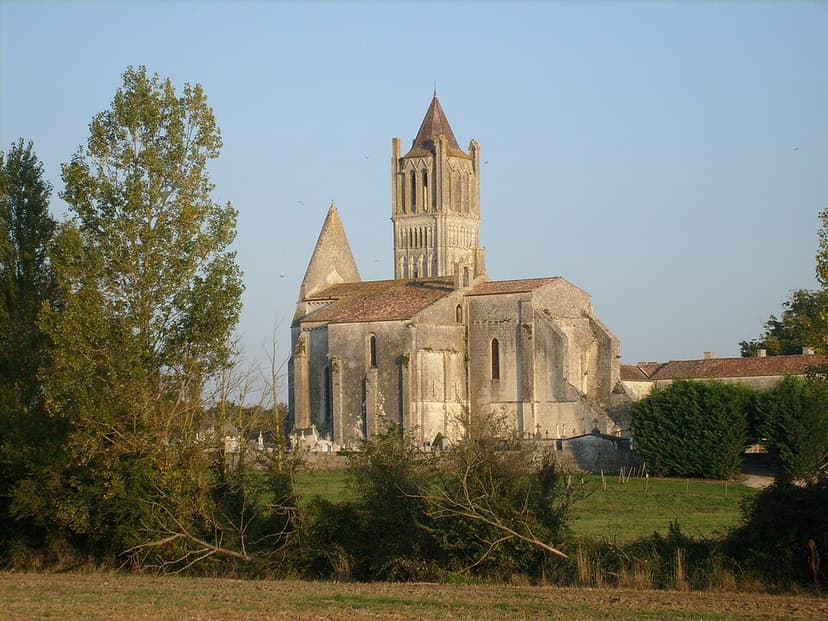
Sablonceaux Abbey
Sablonceaux Abbey is a former Augustinian monastery established in 1136 by William X, Duke of Aquitaine, in Sablonceaux, France. Initially built in the Romanesque style, it underwent significant Gothic alterations after damage during the Hundred Years' War. Despite periods of decline and damage during the French Revolution, the abbey has seen restoration efforts and is now home to the Chemin Neuf Community, serving as a spiritual center and artistic establishment.

Abbey of la Pierre-qui-Vire
The Abbey of la Pierre-qui-Vire is a Benedictine monastery founded in 1850 in the Morvan forests of France. Named after a large, historically mobile stone, the abbey was established by Father Jean-Baptiste Muard and became part of the Subiaco Congregation. Despite periods of exile due to anti-clerical legislation, the community was re-established and is today known for its cheese production and its publishing house, Éditions Zodiaque, which specializes in Romanesque art.

Abbey of Notre-Dame des Neiges
The Abbey of Notre-Dame des Neiges is a Cistercian monastery located in the Ardèche département of south-central France. Originally founded as a Trappist monastery in 1850, it was resettled by Cistercian nuns in 2022 after a period of closure due to a lack of novices. The abbey is known for its historical significance, including a visit by Robert Louis Stevenson and its role as a refuge during periods of persecution.