
Aiguebelle Abbey
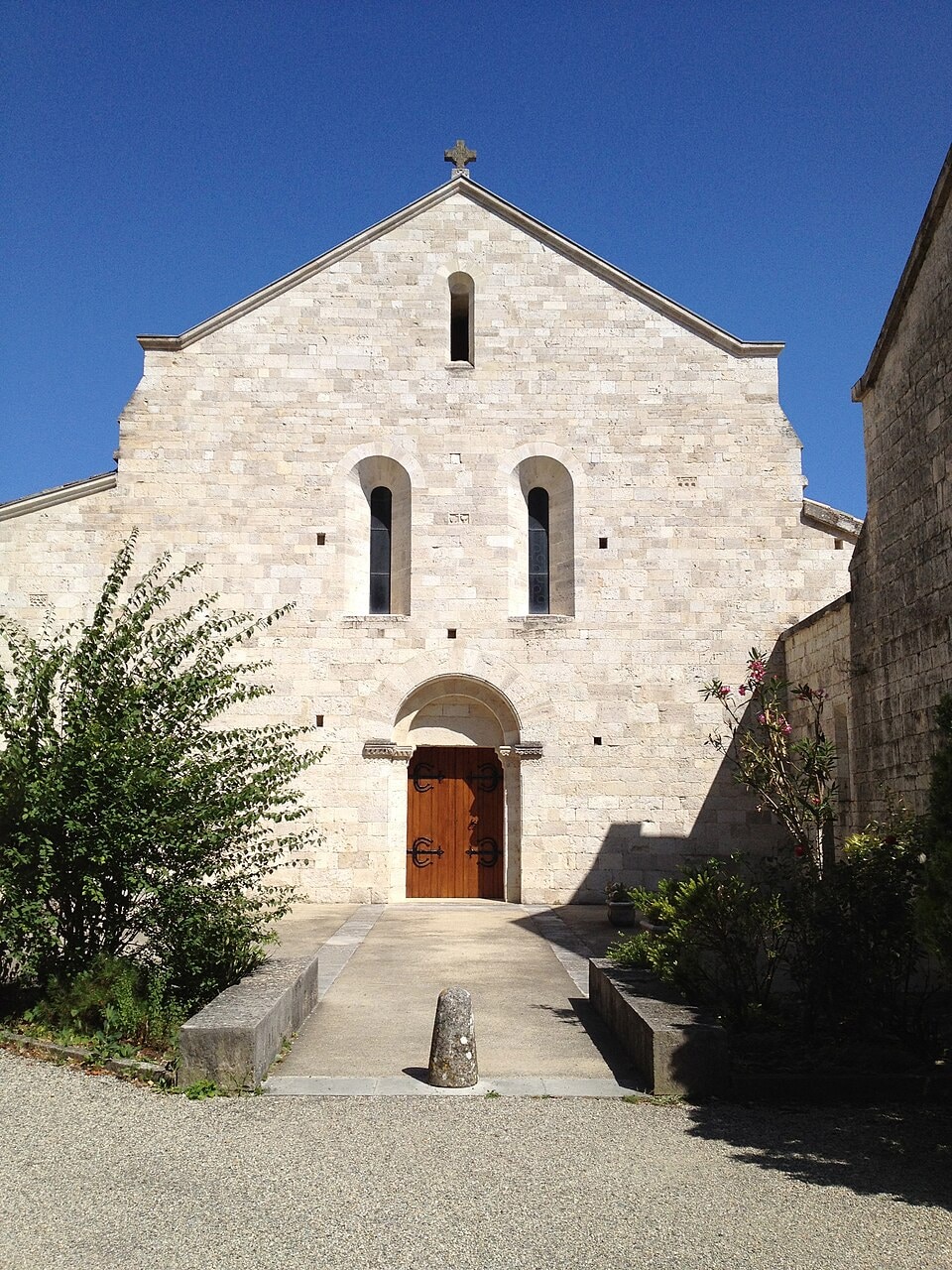
Aiguebelle Abbey, officially Abbaye Notre-Dame d'Aiguebelle, is a Trappist monastery located in the Drôme department of France, on the historical borders of Dauphiné and Provence. Originally founded as a Benedictine monastery in 1045, it was re-established as a Cistercian house in 1137 and later refounded as a Trappist monastery in 1815. The abbey is notable for preserving many of its medieval buildings and for its significant role in establishing numerous daughter houses across the globe.
Key Facts
- ›Originally founded as a Benedictine monastery in 1045.
- ›Re-founded as a Cistercian monastery in 1137.
- ›Refounded as a Trappist monastery in 1815.
- ›Retains a majority of its medieval buildings, including a unique passage for lay brothers.
- ›The abbey church was elevated to the status of minor basilica in 1937.
- ›Was the site of a notorious murder in 1891.
Medieval, Cistercian
Preserved Medieval Buildings, Passage For Lay Brothers, Minor Basilica
Abbaye Notre-Dame D'Aiguebelle
Hugues Adhemar, Gontard Loup, Pierre-FrançOis De Paul Malmy, Augustin De Lestrange, Matthias Hadelt
- Benedictine Foundation
- Visit By Pope Paschal Ii
- Cistercian Re-Foundation
- Suffered Decline Due To Black Death and Hundred Years' War
- Dissolved During French Revolution
- Trappist Refounding
- Murder of Father Ildefonse
About Aiguebelle Abbey
Aiguebelle Abbey, officially known as Abbaye Notre-Dame d'Aiguebelle, is a significant Trappist monastery situated in the Drôme department of France, straddling the historical regions of Dauphiné and Provence. Its history is marked by multiple foundations and refoundings, reflecting shifts in monastic traditions and historical upheavals.
History and Foundations
The site's monastic history began in 1045 when Hugues Adhemar, baron of Grignan, founded a Benedictine monastery. This early establishment saw a papal visit in 1107 but eventually fell into disuse. A pivotal moment occurred in 1137 when Gontard Loup, lord of Rochefort-en-Valdaine, re-founded the abbey as a Cistercian monastery, settling it from Morimond Abbey. Under Cistercian rule, Aiguebelle prospered through the 12th and 13th centuries, even establishing its own daughter houses, Fénier Abbey and Le Bouchet Abbey, by 1169. However, by the 14th century, the abbey's influence waned, exacerbated by the Black Death, the Hundred Years' War, and a decline in vocations. The introduction of commendatory abbots in 1515 further contributed to its decline. By the time of the French Revolution in 1791, the community had dwindled to just three monks, leading to the abbey's dissolution and the sale of its goods. Fortunately, the buildings remained standing due to their remote location.
Trappist Era and Global Reach
In 1815, the monastery was revitalized by Trappist monks led by Pierre-François de Paul Malmy (Père Étienne), who had fled persecution in Switzerland. This refounding marked a period of renewed growth, with the community expanding to 233 monks by 1850. The flourishing Trappist community at Aiguebelle became a mother house for numerous other foundations. These included the establishment of communities in Algeria (later Abbey of Our Lady of Atlas, which in turn led to Notre-Dame de Tibhirine and Notre-Dame de l'Atlas au Maroc), Cameroon (Koutaba), and several other abbeys within France, such as Notre-Dame-des-Neiges and Acey Abbey. Aiguebelle also maintains oversight of the nuns of Notre-Dame de Bon-Secours.
Architectural Heritage and Notable Events
Aiguebelle Abbey is notable for retaining the majority of its medieval buildings, including the church, cloisters, chapter house, refectory, and the quarters for lay brothers. A particularly unique feature is the original passage for lay brothers, allowing them to move between their quarters, workplaces, and the church without disturbing the monastic choir. In recognition of its spiritual significance, the abbey church was consecrated as a minor basilica in 1937. The abbey was also the site of a notorious crime in 1891 when Father Ildefonse, the procurator, was murdered and valuables were stolen by a novice named Brother Eugène (Matthias Hadelt), who was later apprehended and executed.
Source: Wikipedia ↗
Frequently Asked Questions
When was Aiguebelle Abbey first founded?
The first monastery at the site was founded as a Benedictine institution in 1045 by Hugues Adhemar. However, this early foundation eventually fell into disuse.
What is the current religious order of Aiguebelle Abbey?
Aiguebelle Abbey is currently a Trappist monastery. It was refounded by Trappists in 1815 and has since flourished as part of this order.
What are some notable architectural features of Aiguebelle Abbey?
Despite demolitions and restoration, the abbey has preserved most of its medieval structures, including the church, cloisters, chapter house, and refectory. It uniquely retains the original passage for lay brothers, allowing them to move within the abbey without disturbing the monks.
Has Aiguebelle Abbey established other monasteries?
Yes, the thriving Trappist community at Aiguebelle has founded several daughter houses. These include communities in Algeria, Morocco, Cameroon, and other locations within France.
What significant historical events have occurred at Aiguebelle Abbey?
The abbey experienced a period of decline leading to its dissolution during the French Revolution in 1791, before its refounding in 1815. A notorious crime occurred in 1891 when the procurator was murdered, and the perpetrator was a novice.
Related Monasteries
Oelenberg Abbey
Oelenberg Abbey is a Trappist monastery with a history stretching back to the 11th century, originally founded as an Augustinian priory. It has undergone significant transformations, including periods as a Jesuit college and a period of suppression during the French Revolution, before being re-established by Cistercian monks. The abbey is notable for its architectural blend of Romanesque, Gothic, and Baroque styles, and a significant historical discovery of an early manuscript of the Brothers Grimm's fairy tales.

Sept-Fons Abbey
Sept-Fons Abbey, also known as Notre-Dame de Sept-Fons, is a Trappist monastery located in Diou, France. Originally founded as a Cistercian monastery in 1132, it later underwent a significant Trappist reform in the 17th century before being suppressed during the French Revolution. Re-established in 1845, the abbey has since continued its monastic life and has established daughter houses in various parts of the world.

Timadeuc Abbey
Timadeuc Abbey, officially the Abbey of Notre-Dame de Timadeuc, is a Trappist monastery founded in 1841 in Bréhan, Brittany, France. It was established by monks from La Trappe Abbey, with its location chosen by Dom Joseph Hercelin. The abbey has a complex history, including periods of construction, damage from arson, and legal challenges, but also played a significant role in the French Resistance during World War II.