
Soulseat Abbey
Soulseat Abbey was a Premonstratensian monastic community located in Wigtownshire, Scotland, founded by Fergus, Lord of Galloway, and potentially Bishop Christian of Galloway. While its exact foundation date is debated, it likely predates 1161 and may have originated from a Cistercian monastery established by St. Malachy. The abbey, named from the Gaelic "Sabhal" and later Latinized to "Sedes Animarum," was situated on a peninsula in Soulseat Loch and suffered devastation during 14th-century wars, eventually becoming secularized by the 15th century.
Key Facts
- ›Founded for Premonstratensian canons regular.
- ›Located on a peninsula in Soulseat Loch, Wigtownshire, Scotland.
- ›Possible connection to St. Malachy's Cistercian foundation in 1148.
- ›Suffered devastation during wars in the 14th century.
- ›Control became secularized in the 15th century.
- ›The site is now protected as a scheduled monument.

- Situated On A Peninsula In Soulseat Loch
- Enclosed By A Fosse Or Trench, Making It Water-Surrounded
- Modern Site Features A Mound With Five 16th-Century Gravestones
Saulseat Abbey, Viride Stagnum
St Malachy, Fergus, Lord of Galloway, Christian, Bishop of Galloway
- Suffered Devastation From Wars In the 14th Century
- Secularization of Control In the 15th Century
- Taken Over By the Parsonage of Portpatrick In 1630
About Soulseat Abbey
Soulseat Abbey was a monastic community of Premonstratensian canons regular situated in Wigtownshire, in the Gaelic-speaking region of Galloway in southwest Scotland. The abbey's name is derived from the Gaelic word "Sabhal," which holds various religious and monastic associations. Over time, through folk etymology, the name evolved to suggest a connection to "Saul" and the "soul," ultimately being translated into Latin as "Sedes Animarum," meaning "Seat of the Spirit."
History and Foundation
Historical evidence suggests that Soulseat Abbey may be identified with "Viride Stagnum," a Cistercian monastery purportedly founded by St. Malachy in Galloway around 1148. However, the established Premonstratensian community was founded by Fergus, Lord of Galloway, and was located on a small peninsula within Soulseat Loch. The abbey was likely fortified with a fosse, or trench, on its landward side, rendering it surrounded by water and thus more secure from attack. Premonstratensian canons regular from Alnwick Abbey in Northumberland had earlier established Dryburgh Abbey in 1150. The exact founding date for Soulseat Abbey is not precisely recorded, but its establishment by Fergus occurred before his death in 1161. The Obituary of Prémontré lists both King Fergus and Christian, bishop of Galloway (1154-86), as joint founders. Due to its cultural isolation from the rest of Lowland Scotland, very few abbots are named before the 15th century.
Decline and Legacy
The abbey faced significant hardship, enduring devastation during the wars of the 14th century. Control of Soulseat Abbey became secularized in the 15th century, a process that intensified following the Scottish Reformation. In 1630, the former abbey was absorbed by the parsonage of Portpatrick. Today, the site of Soulseat Abbey is preserved as a scheduled monument, marked by a mound bearing five 16th-century gravestones, serving as a reminder of its historical monastic past.
Source: Wikipedia ↗
Frequently Asked Questions
When was Soulseat Abbey founded?
The exact founding date of Soulseat Abbey is not definitively known. However, it is believed to have been founded before the death of King Fergus of Galloway in 1161. There is some evidence suggesting it might be the Cistercian monastery founded by St. Malachy in 1148, though it was established for Premonstratensian canons.
Who founded Soulseat Abbey?
Soulseat Abbey was founded by Fergus, Lord of Galloway, for Premonstratensian canons regular. The Obituary of Prémontré also lists Christian, bishop of Galloway (1154-86), as a joint founder.
What does the name "Soulseat" mean?
The name Soulseat originates from the Gaelic word "Sabhal," which carries religious and monastic connotations. Through folk etymology, it later came to imply a connection to "Saul" and the "soul," leading to the Latin form "Sedes Animarum," meaning "Seat of the Spirit."
What happened to Soulseat Abbey historically?
The abbey suffered devastation from wars in the 14th century. Control of the abbey became secularized in the 15th century, and this trend continued after the Scottish Reformation. By 1630, it was taken over by the parsonage of Portpatrick.
What is at the site of Soulseat Abbey today?
The historical site of Soulseat Abbey is now a mound with five 16th-century gravestones. It is protected as a scheduled monument, indicating its historical significance.
Related Monasteries
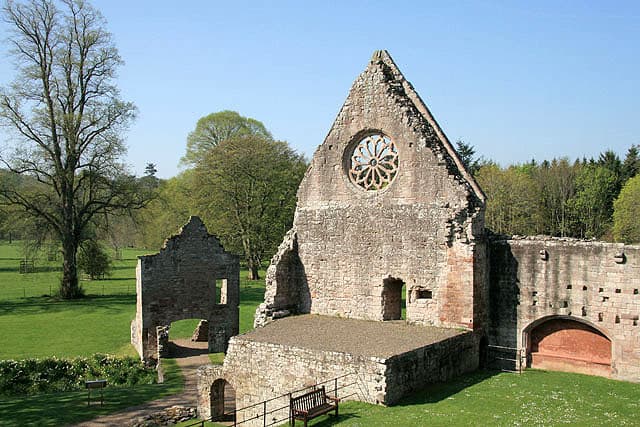
Dryburgh Abbey
Dryburgh Abbey, situated near the River Tweed in the Scottish Borders, was founded in 1150 by Premonstratensian canons. Despite significant destruction from English raids in the 14th and 16th centuries, the abbey experienced periods of restoration and flourished in the 15th century. Today, it stands as a designated scheduled monument, with its grounds serving as the final resting place for notable figures like Sir Walter Scott and Douglas Haig.
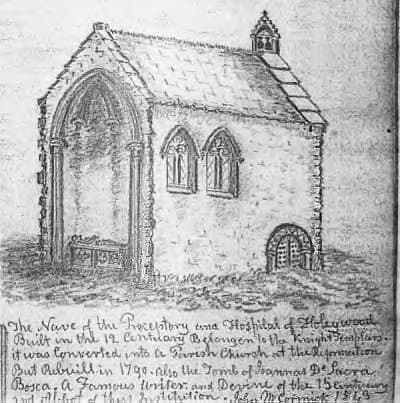
Dercongal Abbey
Dercongal Abbey, also known as Holywood Abbey, was a Premonstratensian monastic community in Dumfriesshire, Scotland. While its exact foundation date is unknown, it was active by 1225, with tradition suggesting a founding by Saint Vimin or Alan, Lord of Galloway. The abbey became secularized in the 16th century, and its ruins were largely demolished by the late 18th century, though fragments and a bell from 1505 survive.
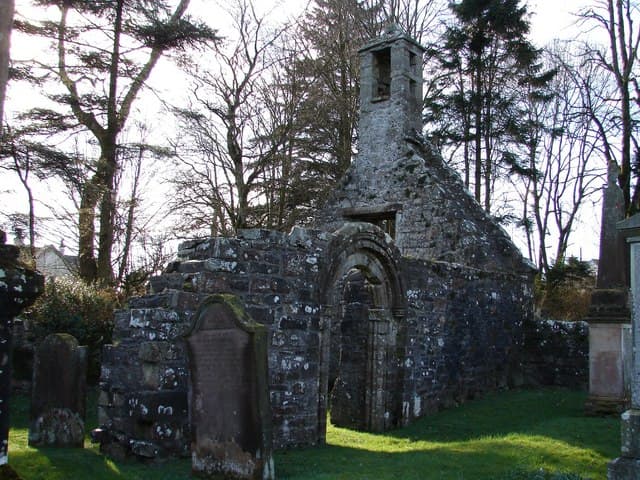
Tongland Abbey
Tongland Abbey was a Premonstratensian monastic community in Scotland, likely founded around 1218. Its early history is largely obscure, though it gained some notoriety during the tenure of Abbot John Damian, an Italian alchemist. By the early 16th century, the abbey's fabric and discipline had declined significantly, leading to attempts at reform and eventual grant to the bishop of Galloway.