
Saint-Satur
Saint-Satur is a medieval town situated in the Cher department of central France, near the Loire River. Historically part of the Berry province, it has roots tracing back to Roman times as a potential river town named Gordona. The area later became home to an Augustinian abbey founded in 1034, which suffered destruction during the Hundred Years' War. In more recent history, Saint-Satur played a role as a regional command center for the French Resistance during World War II.
Key Facts
- ›Located in the Cher department of central France, near the Loire River.
- ›Medieval town in the former province of Berry.
- ›Evidence suggests an early Roman river town named Gordona may have existed here.
- ›An Augustinian abbey was founded in 1034.
- ›The Augustine Abbey was destroyed during the Hundred Years' War.
- ›Served as a regional command center for the French Resistance during World War II.
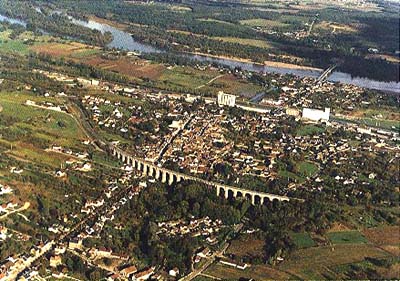
Roman Road, Loire River
Gordona
- Destruction of the Augustinian Abbey During the Hundred Years' War
- Role As A Regional Command Center For the French Resistance During World War Ii
About Saint-Satur
Saint-Satur is a historic commune and medieval town located in the Cher department of central France. Situated near the Loire River, it was part of the former province of Berry. The area's history is extensive, with some evidence suggesting the existence of an early Roman river town named Gordona.
History and Development
The recorded history of Saint-Satur includes the founding of an Augustinian abbey in 1034. This religious institution, however, was destroyed during the tumultuous period of the Hundred Years' War. The town's strategic location and historical significance are further highlighted by its role in more recent conflicts. During World War II, Saint-Satur, alongside the neighboring town of Sancerre, functioned as a regional command center for the French Resistance. "Operation Spencer" in 1944, aimed at preventing German crossings of the Loire River, involved significant sabotage of infrastructure by the Resistance and Free French Forces in the area.
Geography and Infrastructure
Geographically, Saint-Satur is characterized by its proximity to the Loire River, which forms its eastern boundary. The river Vauvise flows into the Loire within the commune's southeastern part. The town's transportation links have evolved over time, with improvements including the construction of a suspension bridge at Saint-Thibault in 1834, the Canal latéral à la Loire in 1838, and later, the Bourges - Sancerre - Cosne-sur-Loire railroad line in 1885.
Source: Wikipedia ↗
Frequently Asked Questions
What is the historical significance of Saint-Satur?
Saint-Satur is a medieval town with a history that potentially dates back to a Roman river town called Gordona. It was home to an Augustinian abbey founded in the 11th century and played a role as a command center for the French Resistance during World War II.
When was an abbey founded in Saint-Satur?
An Augustinian abbey was founded in Saint-Satur in the year 1034. This abbey was later destroyed during the conflicts of the Hundred Years' War.
Did Saint-Satur play a role in World War II?
Yes, during World War II, Saint-Satur, along with the nearby town of Sancerre, served as a regional command center for the French Resistance. Resistance efforts included disrupting German movements across the Loire River.
What is the geographical location of Saint-Satur?
Saint-Satur is located in the Cher department in central France. It is a medieval town situated near the Loire River, with the river Vauvise flowing into the Loire within the commune's southeastern part.
Related Monasteries
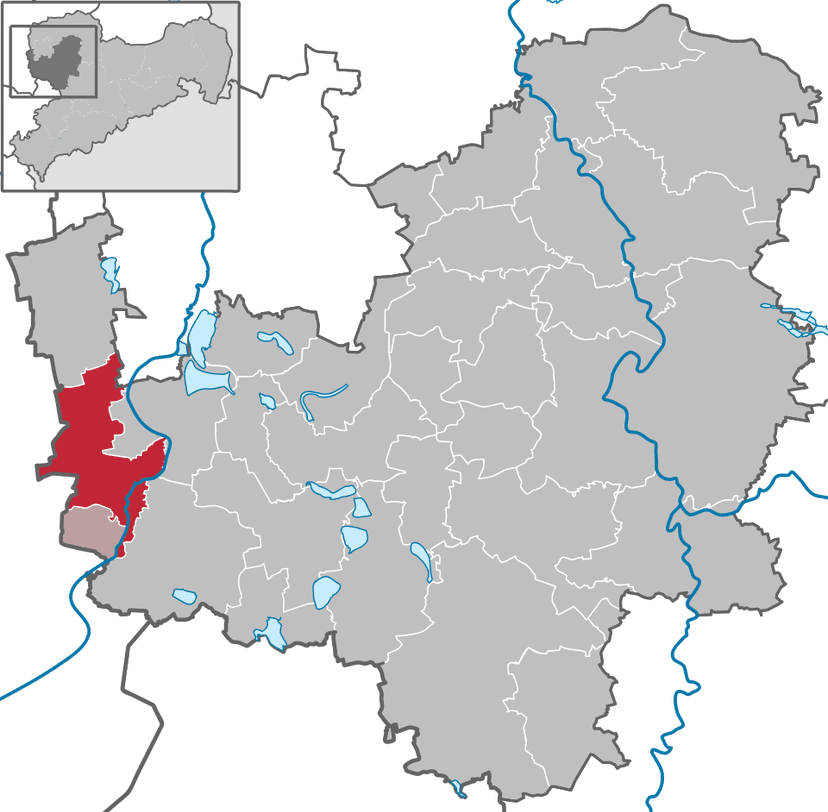
Pegau
Pegau is a town in Saxony, Germany, that grew around a Benedictine monastery founded in 1096. While the monastery was dissolved in the 16th century, the town developed into a market center with a significant town hall from the German Renaissance period. Today, Pegau continues to be a local administrative and cultural hub.
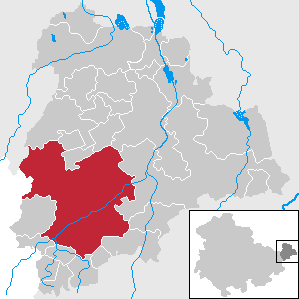
Schmölln
Schmölln, first documented in 1066 as ABBATIA ZMULNA, developed into a significant pilgrimage destination in the 13th century. The town's history includes the construction of a cloister on Pfefferberg in 1127, which was later destroyed in 1525. Today, Schmölln is a town in the Altenburger Land district of Thuringia, Germany, known for its historical roots and its role within various German administrative periods.

Saint-Paul-de-Fenouillet
Saint-Paul-de-Fenouillet is a commune in the Pyrénées-Orientales department of southern France, known for its historical sites including a 14th- to 17th-century church and the 15th-century Saint-Antoine de Galamus hermitage. The commune is located in the canton of La Vallée de l'Agly and is twinned with Ennis, Republic of Ireland.