
Saint-Paul-de-Fenouillet
Saint-Paul-de-Fenouillet is a commune in the Pyrénées-Orientales department of southern France, known for its historical sites including a 14th- to 17th-century church and the 15th-century Saint-Antoine de Galamus hermitage. The commune is located in the canton of La Vallée de l'Agly and is twinned with Ennis, Republic of Ireland.
Key Facts
- ›Located in the Pyrénées-Orientales department in southern France.
- ›Features the church of the chapter of Saint-Paul, built between the 14th and 17th centuries.
- ›Includes the Saint-Antoine de Galamus hermitage, constructed in the 15th century.
- ›The church has been protected as a monument historique since 1989.
- ›Twinned with the town of Ennis in the Republic of Ireland.

Church of the Chapter of Saint-Paul, Saint-Antoine De Galamus Hermitage
Sant Pau De Fenolhet
- Joseph Antoine Cervini
- Antoine Ignace Melling
- Jean Lannes, 1st Duc De Montebello, 1st Prince De Siewierz
- Renada-Laura Portet
About Saint-Paul-de-Fenouillet
Saint-Paul-de-Fenouillet, also known by its Languedocien name Sant Pau de Fenolhet, is a commune situated in the Pyrénées-Orientales department of southern France. Historically, the area is marked by significant religious and architectural heritage.
Sites of Interest
The commune boasts several notable historical sites. The church of the chapter of Saint-Paul is a prominent structure, with its construction spanning from the 14th to the 17th centuries. This church has been recognized for its historical importance and has been protected as a monument historique since 1989. Another significant site is the Saint-Antoine de Galamus hermitage, which dates back to the 15th century. This hermitage was famously described in 1821 by Joseph Antoine Cervini and Antoine Ignace Melling as the "most beautiful wonder of Roussillon."
Geography and Administration
Geographically, Saint-Paul-de-Fenouillet is located within the canton of La Vallée de l'Agly and falls under the arrondissement of Perpignan. The commune maintains international relations through its twinning with Ennis, a town in the Republic of Ireland.
Source: Wikipedia ↗
Frequently Asked Questions
What historical religious sites are located in Saint-Paul-de-Fenouillet?
Saint-Paul-de-Fenouillet is home to the church of the chapter of Saint-Paul, which was built over several centuries from the 14th to the 17th. Additionally, the Saint-Antoine de Galamus hermitage, dating back to the 15th century, is a significant historical site within the commune.
When was the church of Saint-Paul built?
The church of the chapter of Saint-Paul was constructed over an extended period, with its building spanning from the 14th century through to the 17th century.
What is notable about the Saint-Antoine de Galamus hermitage?
The Saint-Antoine de Galamus hermitage was built in the 15th century and has been described as the "most beautiful wonder of Roussillon". It is a significant historical and architectural site within the region.
Which town is Saint-Paul-de-Fenouillet twinned with?
Saint-Paul-de-Fenouillet shares a twinning relationship with the town of Ennis, located in the Republic of Ireland.
Related Monasteries
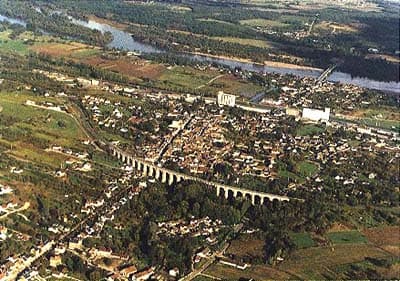
Saint-Satur
Saint-Satur is a medieval town situated in the Cher department of central France, near the Loire River. Historically part of the Berry province, it has roots tracing back to Roman times as a potential river town named Gordona. The area later became home to an Augustinian abbey founded in 1034, which suffered destruction during the Hundred Years' War. In more recent history, Saint-Satur played a role as a regional command center for the French Resistance during World War II.
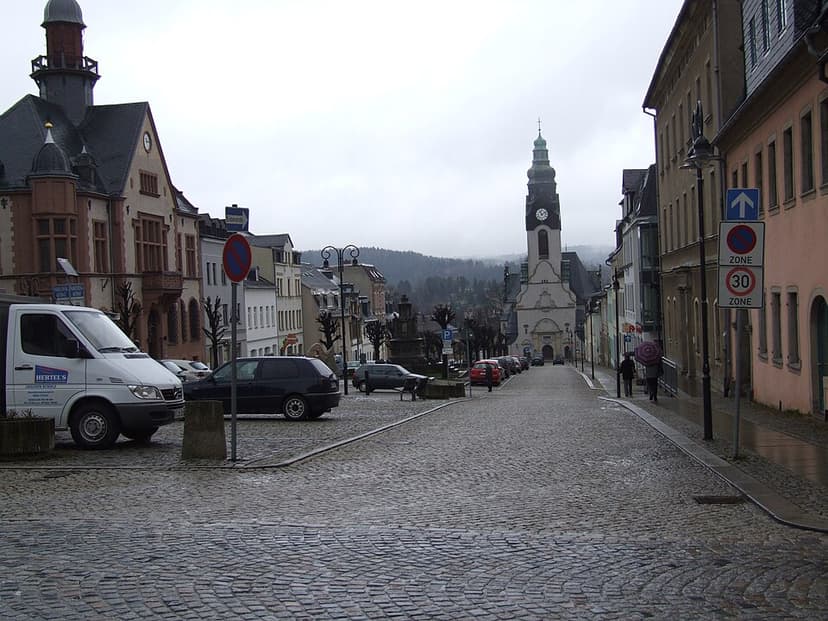
Adorf
Adorf is a small town in the Vogtlandkreis region of Saxony, Germany, with a history dating back to around 1200 when it was founded. It gained town status in 1293 and developed as a center for crafts, spinning, weaving, and musical instrument making due to its strategic location and transport links. Despite being destroyed by fire in 1768, Adorf has preserved historical structures like the Freiberger Tor, the last remaining town gate in Vogtland, and boasts attractions such as Miniaturschauanlage Klein-Vogtland.

Beckum
Beckum is a town in North Rhine-Westphalia, Germany, whose name originates from "home upon the brooks" due to its location near three streams. Granted town charter in 1224, it experienced periods of growth and hardship, eventually becoming a major center for the chalk and cement industries in the late 19th century. Today, Beckum is an industrial town with a focus on machine engineering and cement production.