
Adorf
Adorf is a small town in the Vogtlandkreis region of Saxony, Germany, with a history dating back to around 1200 when it was founded. It gained town status in 1293 and developed as a center for crafts, spinning, weaving, and musical instrument making due to its strategic location and transport links. Despite being destroyed by fire in 1768, Adorf has preserved historical structures like the Freiberger Tor, the last remaining town gate in Vogtland, and boasts attractions such as Miniaturschauanlage Klein-Vogtland.
Key Facts
- ›Founded around 1200 and granted town status in 1293.
- ›The Freiberger Tor, the last remaining town gate in Vogtland, was rebuilt between 1768 and 1773.
- ›Known for historical industries like mother-of-pearl working and musical instrument making.
- ›Features the longest marketplace in Vogtlandkreis, measuring 231 meters.
- ›Home to Miniaturschauanlage Klein-Vogtland, a miniature park showcasing 50 regional buildings.
- ›The Botanical Garden Adorf houses over 11,000 high-mountain plants.
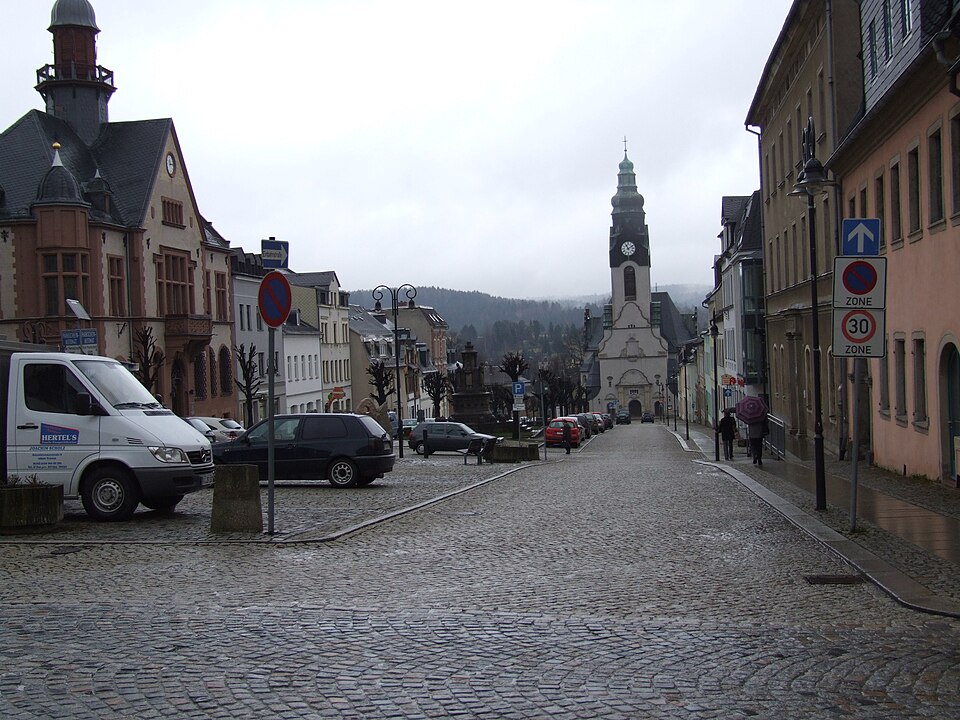
Freiberger Tor, Johanniskirche, Miniaturschauanlage Klein-Vogtland, Botanischer Garten Adorf, Vogtlandkreis's Longest Marketplace
Reinhold Becker, Johann Caspar Kerll, Carl Gotthelf Todt, Johann Adam Heckel, E.O.Plauen, Johann Wolfgang Von Goethe
- Town Destroyed By Fire In 1768.
- Johann Wolfgang Von Goethe Spent the Night Between 3–4 July 1795 At the Old Staging Inn.
About Adorf
Adorf is a small town situated in the Vogtlandkreis district of Saxony, Germany, with its roots tracing back to its founding around 1200. The town gained official status in 1293, and its strategic location facilitated the development of various industries, including crafts, spinning, weaving, mother-of-pearl working, and musical instrument making. Despite a significant fire that destroyed much of the town in 1768, Adorf has retained important historical elements, such as the Freiberger Tor, which stands as the sole surviving town gate in the Vogtlandkreis.
History and Development
The town walls of Adorf were begun in 1477, reflecting its fortified status. The Johanniskirche was constructed in 1498. The fire of 1768 necessitated rebuilding efforts, including the Freiberger Tor, which was reconstructed between 1768 and 1773 with a distinctive wooden-framed upper story. The current Rathaus was built in 1896, a period that also saw the addition of many substantial houses around the market place. Adorf also served a humanitarian role, housing a convalescent home for the poor of Leipzig.
Geography and Attractions
Nestled within the Elster Mountains, Adorf is located at the confluence of the White Elster and Schwarzbach rivers. The landscape is characterized by deep, forested valleys. Among its notable attractions is the "Freiberger Tor," which now houses a museum dedicated to mother-of-pearl artifacts, the largest such exhibition in Germany. The town also boasts the longest marketplace in Vogtlandkreis, measuring 231 meters. For visitors interested in miniatures, the "Miniaturschauanlage Klein-Vogtland" presents scale models of 50 regional buildings. Complementing this is the Botanical Garden Adorf, which cultivates over 11,000 high-mountain plant species from around the globe.
Source: Wikipedia ↗
Frequently Asked Questions
What is the origin of the name Adorf?
The name Adorf is believed to derive from an Old High German word for a stream or river ('aha') combined with the modern German word for village ('Dorf'). This suggests the name means 'village on the water'.
When was Adorf founded and when did it become a town?
Adorf was founded around the year 1200. It officially gained the status of a 'town' in 1293.
What historical industries were important in Adorf?
Adorf developed industries due to its favorable position, including crafts, spinning, weaving, embroidery working with mother-of-pearl, and musical instrument making.
What is the significance of the Freiberger Tor?
The Freiberger Tor is the only conserved town gate in the Vogtlandkreis region. It was rebuilt between 1768 and 1773 and now houses a museum with the largest exhibition of mother-of-pearl in Germany.
What can visitors see at Miniaturschauanlage Klein-Vogtland?
Miniaturschauanlage Klein-Vogtland is a tourist attraction featuring models of 50 buildings from the Vogtlandkreis, all built to a scale of 1:25.
Which notable figures are associated with Adorf?
Notable individuals from Adorf include the composer Reinhold Becker, the organist and composer Johann Caspar Kerll, and the artist Erich Ohser, also known as E.o.plauen.
Related Monasteries

Beckum
Beckum is a town in North Rhine-Westphalia, Germany, whose name originates from "home upon the brooks" due to its location near three streams. Granted town charter in 1224, it experienced periods of growth and hardship, eventually becoming a major center for the chalk and cement industries in the late 19th century. Today, Beckum is an industrial town with a focus on machine engineering and cement production.

Gevelsberg
Gevelsberg is a town in North Rhine-Westphalia, Germany, with a history dating back nearly 785 years. Its origins are closely tied to the establishment of a monastery of atonement following the assassination of Archbishop Engelbert II of Berg in 1225. The town experienced significant population growth in the 19th century due to the development of iron processing industries.

Goch
Goch is a town in the Kleve district of North Rhine-Westphalia, Germany, with a history dating back at least 750 years, first mentioned in 1259. It was historically part of the Duchy of Cleves and suffered complete destruction during World War II. The town is also known for its association with notable figures, including medieval theologian Johannes von Goch and the painter Vincent van Gogh, whose name suggests ancestral ties to the region.