
Bourges
Bourges is a historic commune in central France, serving as the capital of the Cher department and the former province of Berry. Its origins trace back to the Gallic confederacy, enduring sieges and reconstructions by Romans and Franks. Throughout the Middle Ages and Renaissance, it served as a significant administrative and cultural center, notably as a refuge for Charles VII and a hub for alchemy. Today, Bourges is recognized for its stunning Gothic cathedral, a UNESCO World Heritage site, and its rich architectural heritage.
Key Facts
- ›Originally known as Avaricum by Celtic inhabitants and later by Romans.
- ›Captured and destroyed by Julius Caesar's forces in 52 BC.
- ›Reconstructed as a Roman town with monumental structures.
- ›Served as the capital of the Duchy of Berry in the 14th century.
- ›The Gothic Cathedral of Saint Étienne is a UNESCO World Heritage Site, begun in the late 12th century.
- ›Became a major center for artillery production from the 1860s.
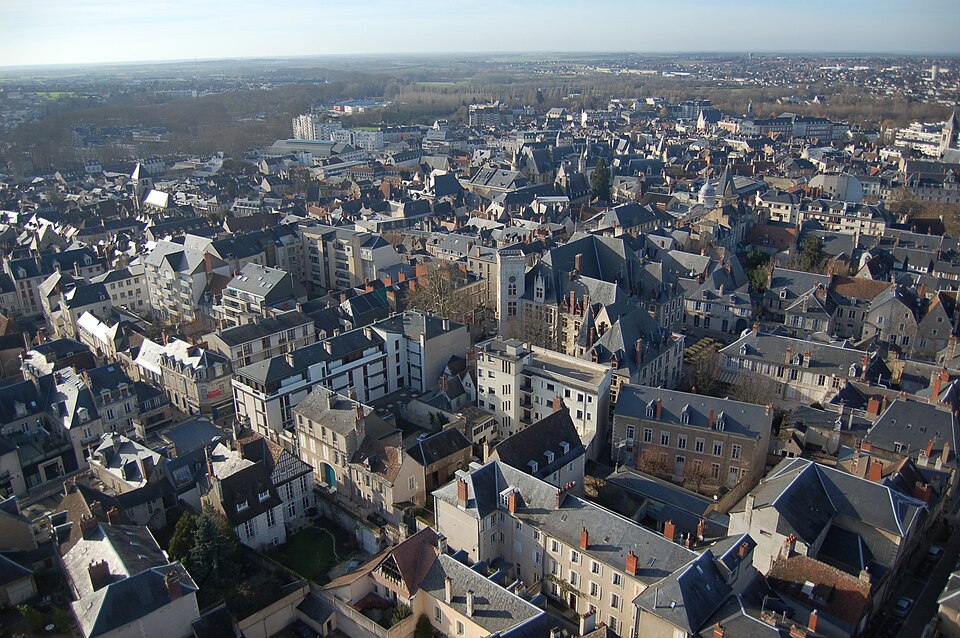
Gothic, Roman, French Renaissance
Gothic Cathedral of Saint éTienne, Palais Jacques CœUr, Lallemant's Hotel, the Berry Museum, the EstèVe Museum, Marshes of the YèVre and Voiselle Rivers, Gallo-Roman Walls, Conservatoire National Du PéLargonium, HôTel De Ville
Avaricon, Avaricum, Borges
Julius Caesar, Saint Ursinus, Charles Martel, Odo the Great, Pepin the Short, Charles Vii, Louis Xi
- Gallic Wars Siege and Destruction By Julius Caesar
- Frankish Capture By Charles Martel
- Frankish Siege and Capture By Pepin the Short
- Fire Destroyed A Third of the City
About Bourges
Bourges: A Historic French City
Bourges is a significant commune located in central France, serving as the capital of the Cher department and historically as the capital of the province of Berry. Its rich history stretches back to antiquity, with its origins tied to the Gallic confederacy. The city, known in ancient times as Avaricum, endured conflict and reconstruction, notably during the Gallic Wars when it was captured and destroyed by Julius Caesar's forces in 52 BC. Following this, it was rebuilt as a Roman town, featuring monumental architecture.
During the Middle Ages, Bourges played a crucial role, serving as the capital of the Viscounty of Bourges and later, in the 14th century, becoming the capital of the Duchy of Berry. The city provided refuge to the future king Charles VII during the Hundred Years' War, and his son, Louis XI, was born there. Bourges also gained a reputation as a center for alchemy during this period. A devastating fire in 1487 marked the beginning of an economic decline.
Today, Bourges is renowned for its exceptional architectural heritage, most notably the Gothic Cathedral of Saint Étienne. This magnificent cathedral, begun in the late 12th century, is a UNESCO World Heritage Site and an exemplar of High Gothic architecture. Other notable sites include the 15th-century Palais Jacques Cœur and well-preserved historic districts. The city continues to be an active center, with a significant defense industry and vibrant cultural events like the Printemps de Bourges music festival.
Source: Wikipedia ↗
Frequently Asked Questions
What is Bourges known for historically?
Bourges has a long history dating back to the Gallic confederacy. It endured sieges by Julius Caesar and later became a significant administrative and cultural center during the Middle Ages and Renaissance, serving as a capital for various regions. It was also a notable center for alchemy.
What is the most famous landmark in Bourges?
The most famous landmark in Bourges is its Gothic Cathedral of Saint Étienne, which was begun at the end of the twelfth century. This cathedral is recognized as a UNESCO World Heritage Site and is considered an early example of the High Gothic style.
When was Bourges settled by the Gauls?
The area around Bourges was the center of a Gallic confederacy in the fourth century BC. The Celtic inhabitants called the settlement Avaricum.
What significant events happened in Bourges during the Hundred Years' War?
During the Hundred Years' War, the future king of France, Charles VII, sought refuge in Bourges in the 1420s. His son, Louis XI, was also born there in 1423. Charles VII also decreed the Pragmatic Sanction of Bourges in 1438.
Is Bourges still an active city today?
Yes, Bourges remains an active city today. It is the capital of the department of Cher and is part of the Centre-Val de Loire region. It has a notable defense industry and hosts cultural events like the Printemps de Bourges music festival.
Related Monasteries

Châlons-sur-Marne
Châlons-en-Champagne, formerly known as Châlons-sur-Marne, is a city in the Grand Est region of France with a rich historical background, dating back to Gallic and Gallo-Roman settlements. It is historically significant as a conjectured site for major battles, including those involving Roman emperors and Attila the Hun. The city boasts notable architectural landmarks, including cathedrals and churches, with some parts recognized as UNESCO World Heritage.

Avignon
Avignon, also known as 'La Cité des Papes' (The City of the Popes), is a historic city in southern France renowned for its papal history and well-preserved medieval architecture. Between 1309 and 1377, it served as the residence for seven successive popes, significantly shaping its urban development and cultural landscape. The city's historic center, including the Palais des Papes and its ramparts, is a UNESCO World Heritage Site, drawing millions of visitors annually for its architectural grandeur and vibrant arts scene, particularly the annual Festival d'Avignon.

Paris
Paris, originally Lutetia Parisiorum, has a history stretching back to the 3rd century BC, evolving from a Gallic settlement to the capital of France. It has been a major European center for finance, diplomacy, commerce, culture, fashion, and gastronomy since the 17th century. The city is renowned for its iconic landmarks, extensive museums, and significant role in major historical events, including the French Revolution and World Wars.