
Schmölln
Schmölln, first documented in 1066 as ABBATIA ZMULNA, developed into a significant pilgrimage destination in the 13th century. The town's history includes the construction of a cloister on Pfefferberg in 1127, which was later destroyed in 1525. Today, Schmölln is a town in the Altenburger Land district of Thuringia, Germany, known for its historical roots and its role within various German administrative periods.
Key Facts
- ›First mentioned in writing in 1066 as ABBATIA ZMULNA.
- ›A cloister was built on Pfefferberg in 1127.
- ›Schmölln was a pilgrimage destination from the 13th to the 16th centuries.
- ›The cloister on Pfefferberg was destroyed in 1525.
- ›The town has undergone several incorporations of surrounding municipalities, most recently in 2019.
Pfefferberg Cloister
Abbasia Zmulna
- First Mentioned In Writing
- Building of the Cloister On the Pfefferberg
- Pilgrimage Destination
- Destruction of the Cloister On the Pfefferberg
About Schmölln
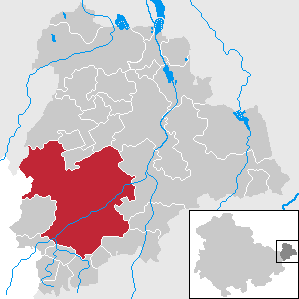
Schmölln is a town situated in the Altenburger Land district of Thuringia, Germany, located on the Sprotte river. Its historical roots are significant, with the earliest written mention dating back to 1066, when it was recorded as ABBATIA ZMULNA. This foundational period hints at an early monastic or ecclesiastical presence.
Historical Development
The town's history is marked by the construction of a cloister on Pfefferberg in 1127. This monastic establishment contributed to Schmölln's rise as a pilgrimage destination, a status it held from the 13th century until the 16th century. However, this period of religious significance was disrupted by the destruction of the cloister on Pfefferberg in 1525.
Modern Context
Schmölln has experienced significant administrative changes, particularly in recent decades with the incorporation of several surrounding municipalities. Notably, Weißbach was incorporated in 1994, Großstöbnitz in 1996, and a larger merger involving Altkirchen, Drogen, Lumpzig, Nöbdenitz, and Wildenbörten occurred in 2019. The town is also a transportation hub, situated at a connection for Bundesautobahn 4 and possessing a train station on the Middle-Germany Link.
Historically, Schmölln was part of the Duchy of Saxe-Altenburg within the German Empire and later belonged to the Bezirk Leipzig of East Germany between 1952 and 1990. While the town's monastic past and pilgrimage status are well-documented, its current status is that of a functional town with ongoing administrative and community life.
Source: Wikipedia ↗
Frequently Asked Questions
When was Schmölln first documented?
Schmölln was first mentioned in writing in the year 1066. At that time, it was referred to as ABBATIA ZMULNA.
What was the historical significance of the cloister on Pfefferberg?
A cloister was constructed on Pfefferberg in 1127. This site later became a pilgrimage destination for several centuries.
What happened to the cloister on Pfefferberg?
The cloister on Pfefferberg met its destruction in 1525. The exact circumstances surrounding its destruction are not detailed in historical records.
Was Schmölln ever a pilgrimage site?
Yes, Schmölln served as a pilgrimage destination for a significant period. This era spanned from the 13th century through the 16th century.
Which administrative regions has Schmölln been a part of?
Within the German Empire, Schmölln was part of the Duchy of Saxe-Altenburg. Later, from 1952 to 1990, it belonged to the Bezirk Leipzig of East Germany.
Related Monasteries
Pegau
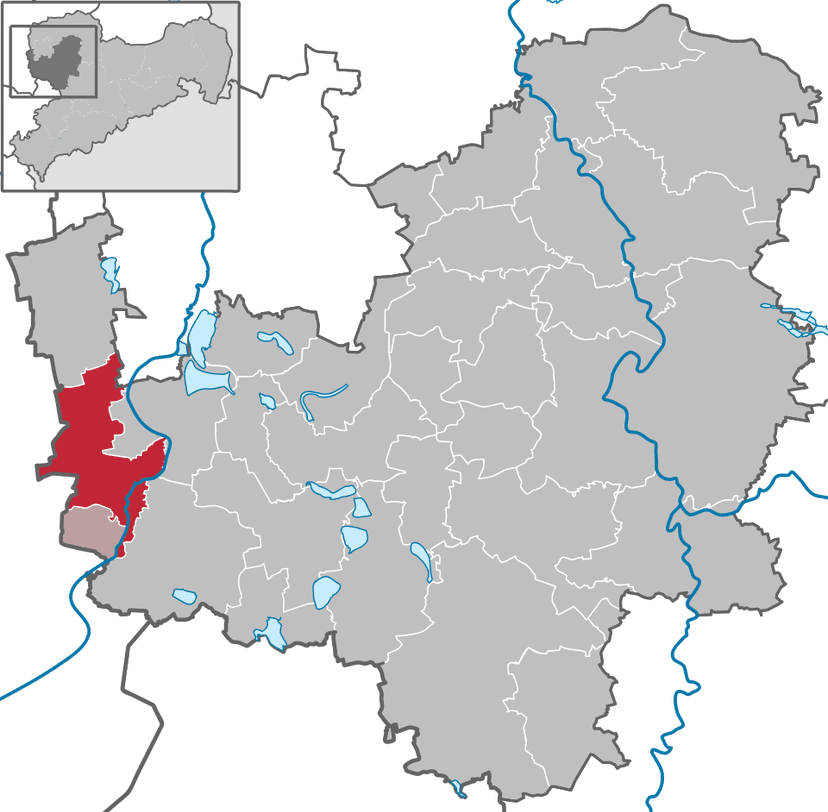
Pegau is a town in Saxony, Germany, that grew around a Benedictine monastery founded in 1096. While the monastery was dissolved in the 16th century, the town developed into a market center with a significant town hall from the German Renaissance period. Today, Pegau continues to be a local administrative and cultural hub.
Saint-Satur
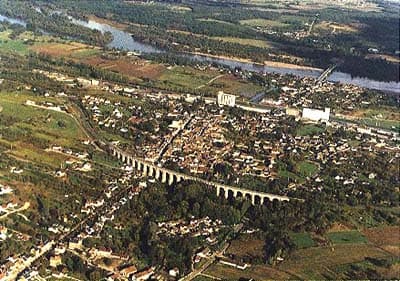
Saint-Satur is a medieval town situated in the Cher department of central France, near the Loire River. Historically part of the Berry province, it has roots tracing back to Roman times as a potential river town named Gordona. The area later became home to an Augustinian abbey founded in 1034, which suffered destruction during the Hundred Years' War. In more recent history, Saint-Satur played a role as a regional command center for the French Resistance during World War II.
Adorf
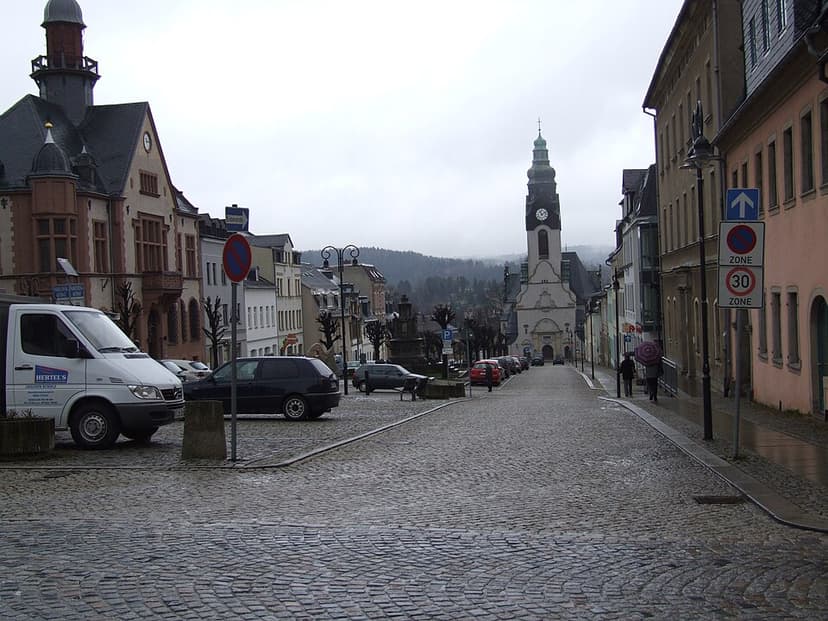
Adorf is a small town in the Vogtlandkreis region of Saxony, Germany, with a history dating back to around 1200 when it was founded. It gained town status in 1293 and developed as a center for crafts, spinning, weaving, and musical instrument making due to its strategic location and transport links. Despite being destroyed by fire in 1768, Adorf has preserved historical structures like the Freiberger Tor, the last remaining town gate in Vogtland, and boasts attractions such as Miniaturschauanlage Klein-Vogtland.