
Pegau
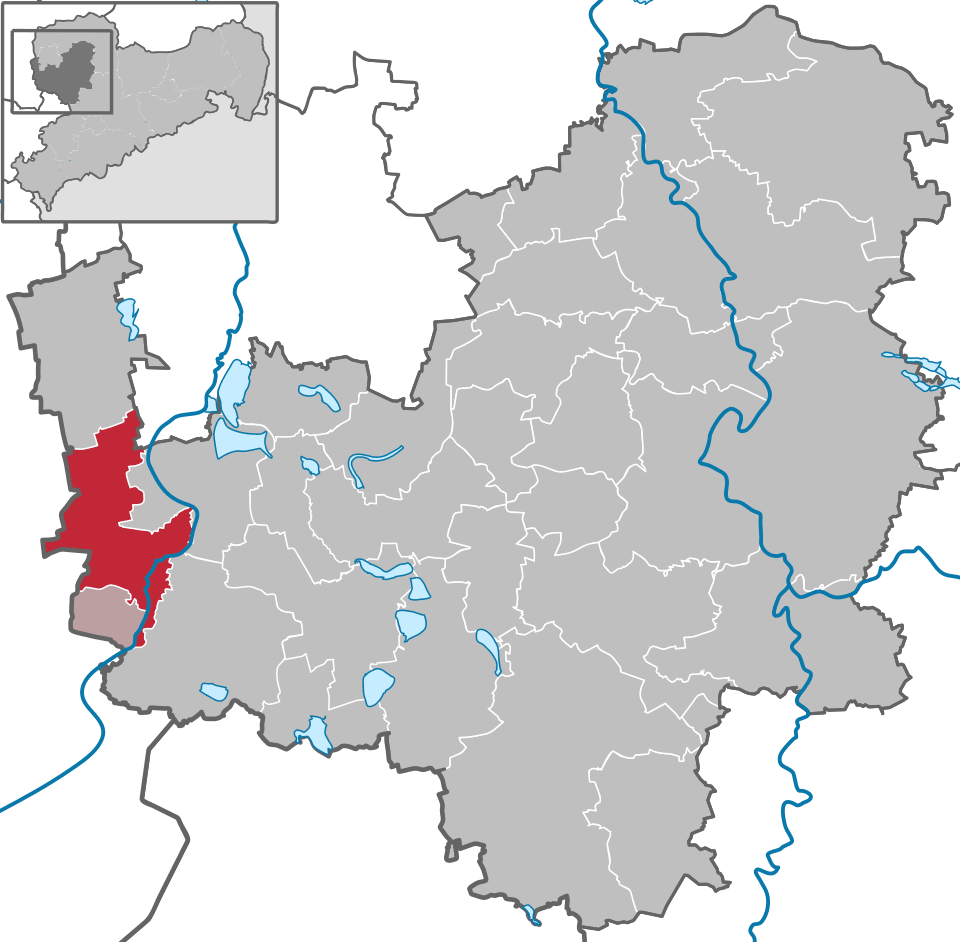
Pegau is a town in Saxony, Germany, that grew around a Benedictine monastery founded in 1096. While the monastery was dissolved in the 16th century, the town developed into a market center with a significant town hall from the German Renaissance period. Today, Pegau continues to be a local administrative and cultural hub.
Key Facts
- ›Founded as a Benedictine monastery in 1096 by Wiprecht of Groitzsch.
- ›The town hall (Rathaus) was built between 1559 and 1561 in the German Renaissance style.
- ›The monastery was dissolved in 1539.
- ›Pegau hosted witch trials in 1604-1605.
- ›The town absorbed the municipality of Kitzen in 2012.
Gothic, German Renaissance
Rathaus, Rathausturm, St. Lawrence Church, Annales Pegavienses
Wiprecht of Groitzsch, Paul Widemann, Hieronymus Lotter
Founding of Benedictine Monastery, Dissolution of Monastery, Construction of Rathaus, Witch Trials, Absorption of Kitzen
About Pegau
Pegau is a town in the Leipzig district of Saxony, Germany, with a history deeply intertwined with a Benedictine monastery. The town's origins trace back to the founding of this monastery in 1096 by Wiprecht of Groitzsch. While the monastery itself was dissolved in 1539, it played a crucial role in the region's early development, even serving as the place where the valuable chronicle known as the Annales pegavienses was compiled between 1039 and 1227.
Development as a Town
The settlement surrounding the monastery did not formally appear as a town until the late 12th century. Pegau's prosperity was boosted by its strategic location on a vital east-west trade route and the establishment of markets. The town features two Evangelical churches, with St. Lawrence's being a notable Gothic structure. A significant landmark is the Rathaus (town hall), a German Renaissance building constructed between 1559 and 1561 by Paul Widemann and Hieronymus Lotter, who had also worked on Leipzig's Altes Rathaus. The town hall's tower, standing at 30 meters, offers panoramic views.
Historical Context
Beyond its monastic and market history, Pegau also experienced darker periods, notably hosting witch trials in 1604-1605. In more recent times, the town's administrative boundaries expanded in January 2012 with the absorption of the former municipality of Kitzen. Pegau retains a 16th-century town hall, an old hospital, and an agricultural school, reflecting its continued presence as a community.
Source: Wikipedia ↗
Frequently Asked Questions
When was Pegau founded?
Pegau grew around a Benedictine monastery that was founded in 1096. The town itself does not appear in historical records as a town until the close of the 12th century.
What is the significance of the Rathaus in Pegau?
The Rathaus, or town hall, is a distinctive building in the middle of the city, constructed between 1559 and 1561. It is a notable example of German Renaissance architecture and houses the city administration.
What happened to the Benedictine monastery in Pegau?
The Benedictine monastery, which was the origin of the town's development, was dissolved in 1539. A valuable chronicle, the Annales pegavienses, was compiled there.
Is Pegau an active monastic site today?
No, the original Benedictine monastery was dissolved in 1539. The town of Pegau is a modern German municipality.
What historical events took place in Pegau?
Pegau hosted witch trials in the years 1604-1605. The town also grew in prosperity due to its location on a main east-west road and its market activities.
Related Monasteries
Schmölln
Schmölln, first documented in 1066 as ABBATIA ZMULNA, developed into a significant pilgrimage destination in the 13th century. The town's history includes the construction of a cloister on Pfefferberg in 1127, which was later destroyed in 1525. Today, Schmölln is a town in the Altenburger Land district of Thuringia, Germany, known for its historical roots and its role within various German administrative periods.
Vreden
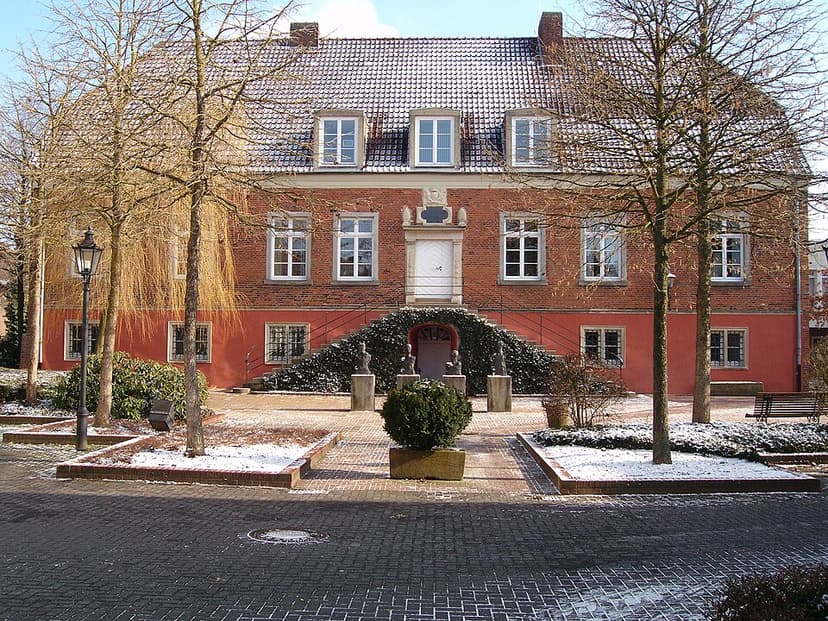
Vreden is a town in North Rhine-Westphalia, Germany, first mentioned in 839 and granted city rights in 1252. Historically, it was enlarged by the Archbishop of Cologne and the Bishop of Münster. The town is known for its cultural attractions, including several museums dedicated to local history, farming, and unique collections, as well as the natural beauty of the Zwillbrocker Venn.
Saint-Satur
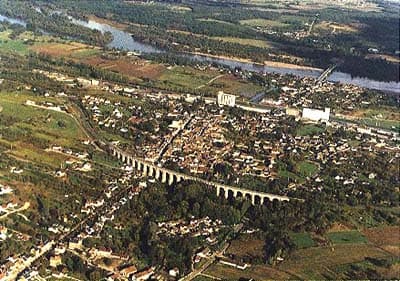
Saint-Satur is a medieval town situated in the Cher department of central France, near the Loire River. Historically part of the Berry province, it has roots tracing back to Roman times as a potential river town named Gordona. The area later became home to an Augustinian abbey founded in 1034, which suffered destruction during the Hundred Years' War. In more recent history, Saint-Satur played a role as a regional command center for the French Resistance during World War II.