
Vreden
Vreden is a town in North Rhine-Westphalia, Germany, first mentioned in 839 and granted city rights in 1252. Historically, it was enlarged by the Archbishop of Cologne and the Bishop of Münster. The town is known for its cultural attractions, including several museums dedicated to local history, farming, and unique collections, as well as the natural beauty of the Zwillbrocker Venn.
Key Facts
- ›First documented mention of Vreden dates back to the year 839.
- ›Vreden was granted city rights in the year 1252.
- ›The town was enlarged by the Archbishop of Cologne and the Bishop of Münster in the 13th century.
- ›Features a Baroque church in Zwillbrock and the Stiftskirche, a collegiate church of a former noble convent.
- ›The Zwillbrocker Venn, a nature reserve near Vreden, hosts Europe's largest black-headed gull breeding area and a flamingo colony.
- ›The town's coat of arms depicts Petrus and Paulus, reflecting its historical ownership by Cologne and Münster.
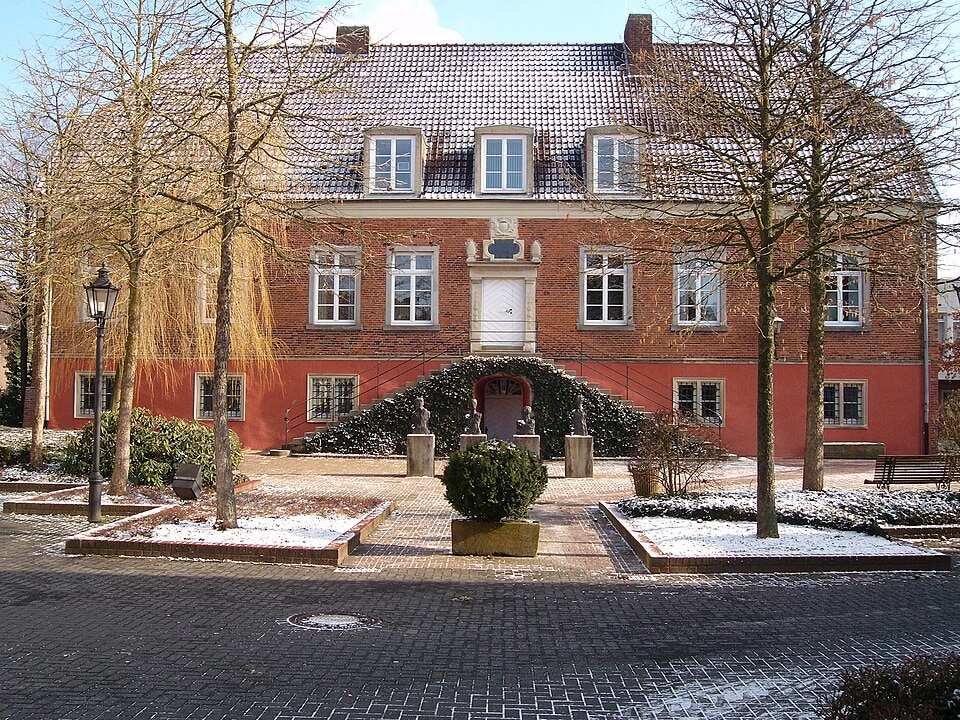
Baroque
- Hamaland-Museum
- Farmer-Museum
- Silhouette Museum
- Miniature Shoe Museum
- Skulpturenpark Erning
- Heimathaus Noldes
- Berkelkraftwerk
- Biologische Station Zwillbrock
- Former Castle
- Old Townhall
- Foundations of Seven Older Churches Under St. Georg Church
- Baroque Church In Zwillbrock
- Stiftskirche
- Zwillbrocker Venn
- Vreden City Park
- Enlarged To A City By the Archbishop of Cologne and the Bishop of MüNster In the 13th Century.
About Vreden
Vreden is a German town situated in North Rhine-Westphalia, close to the Dutch border and the Berkel River. Its recorded history begins with its first mention in 839, and it was granted city rights in 1252. The town's historical development was significantly influenced by the Archbishop of Cologne and the Bishop of Münster, who were its owners in the 13th century and oversaw its expansion into a city.
Culture and Sights
Vreden is a destination for cultural exploration, featuring a variety of museums that cater to diverse interests. These include the Hamaland-Museum, which focuses on local history, the Farmer-Museum, and more specialized collections like the Silhouette Museum and the Miniature Shoe Museum. The town also boasts outdoor attractions such as the Skulpturenpark Erning and the Heimathaus Noldes. Architecturally, Vreden has notable buildings like a former castle, the old townhall, and the Stiftskirche, which was part of a former noble convent. The Baroque church in Zwillbrock is another significant religious structure, and foundations of seven older churches have been found beneath the current St. Georg church.
A major natural attraction is the Zwillbrocker Venn, a nature reserve located approximately 10 km west of the city center. This area is a large nature reserve with numerous water bodies and is recognized as Europe's largest breeding ground for black-headed gulls. It also supports a small breeding colony of feral Chilean and greater flamingos, making it a unique ecological site. The Vreden City Park is another green space, which includes the Farmer Museum.
Source: Wikipedia ↗
Frequently Asked Questions
When was Vreden first mentioned in historical records?
Vreden was first mentioned in historical records in the year 839. This early documentation establishes its long history as a settlement.
When did Vreden receive its city rights?
Vreden obtained its city rights in the year 1252. This marked a significant point in its development and administrative status.
What historical figures were involved in Vreden's expansion?
In the 13th century, Vreden was enlarged to a city by the Archbishop of Cologne and the Bishop of Münster. These figures were the city owners at that time.
What are some notable cultural attractions in Vreden?
Vreden boasts several museums, including the Hamaland-Museum, Farmer-Museum, Silhouette Museum, and Miniature Shoe Museum. The Skulpturenpark Erning and Heimathaus Noldes are also significant cultural sites.
What is unique about the Zwillbrocker Venn?
The Zwillbrocker Venn is a nature reserve west of Vreden known for Europe's largest black-headed gull breeding area. It also hosts a small breeding colony of feral Chilean and greater flamingos.
What does the coat of arms of Vreden represent?
The coat of arms features Petrus, the patron of Cologne, and Paulus, the patron of Münster, along with a key and a sword. These symbols reflect the historical ownership of the city by these two ecclesiastical powers.
Related Monasteries
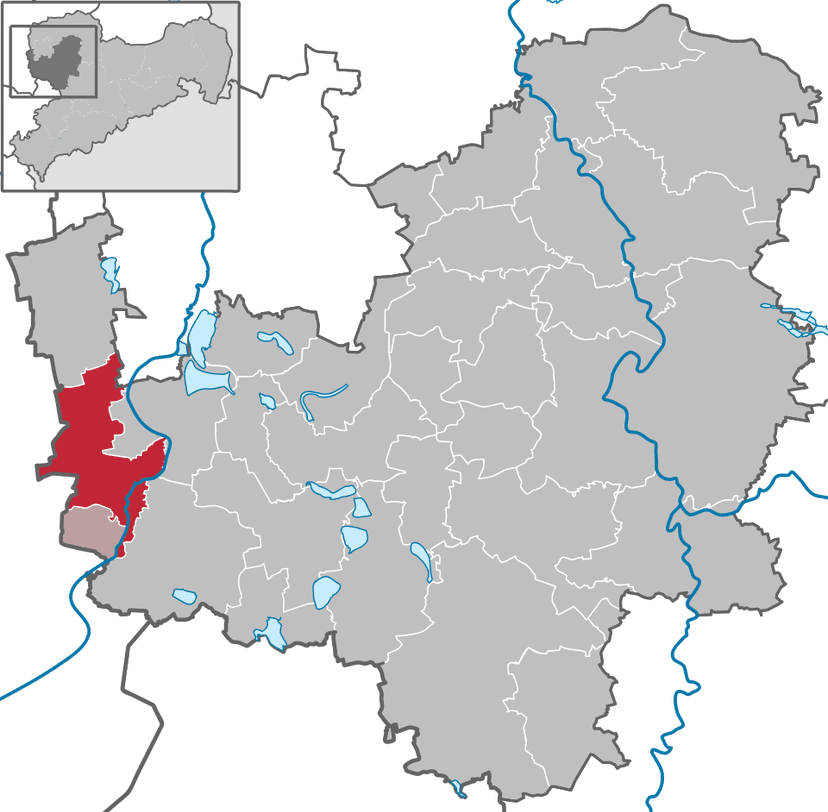
Pegau
Pegau is a town in Saxony, Germany, that grew around a Benedictine monastery founded in 1096. While the monastery was dissolved in the 16th century, the town developed into a market center with a significant town hall from the German Renaissance period. Today, Pegau continues to be a local administrative and cultural hub.
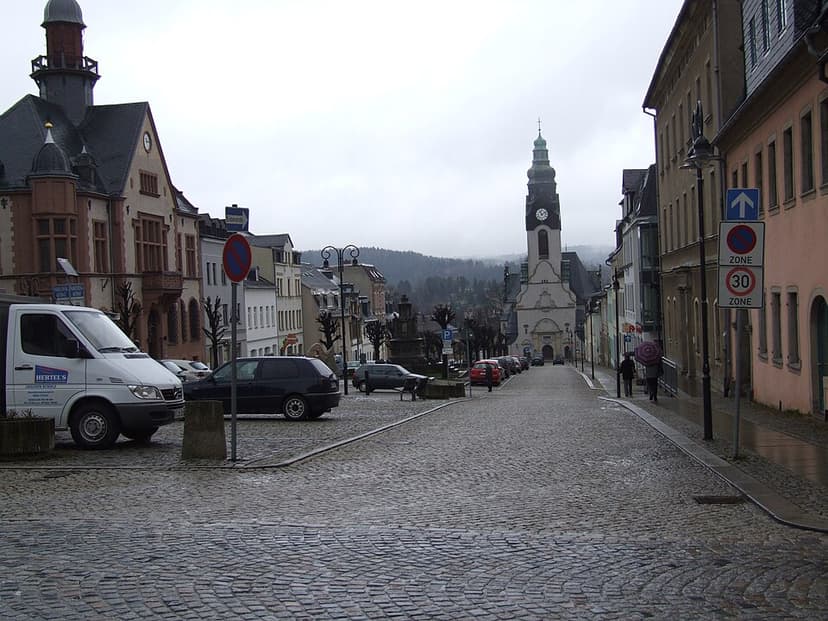
Adorf
Adorf is a small town in the Vogtlandkreis region of Saxony, Germany, with a history dating back to around 1200 when it was founded. It gained town status in 1293 and developed as a center for crafts, spinning, weaving, and musical instrument making due to its strategic location and transport links. Despite being destroyed by fire in 1768, Adorf has preserved historical structures like the Freiberger Tor, the last remaining town gate in Vogtland, and boasts attractions such as Miniaturschauanlage Klein-Vogtland.

Olpe
Olpe is a town located in the foothills of the Ebbegebirge in North Rhine-Westphalia, Germany, known for its historical development as a mining and ironworking center. Situated on the southern edge of the Biggesee reservoir, it boasts a rich history dating back to its first documentary mention in 1220 and subsequent granting of town rights in 1311. The town has endured significant events, including devastating fires and the impact of World War II, but has consistently rebuilt, evolving its urban landscape and economic base.