
Nikolo-Ugresh monastery
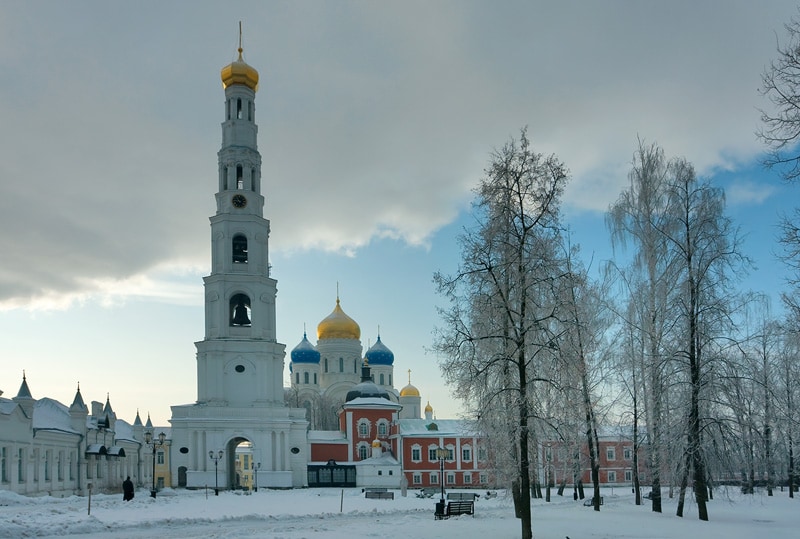
The Nikolo-Ugreshsky Monastery is a historic Russian Orthodox monastery located in Dzerzhinsky, a suburb of Moscow. First documented in 1521, it played a role in defending the Russian capital and was significantly expanded in the 17th century. After being closed and repurposed following the Russian Revolution, it was returned to the Russian Orthodox Church in 1991 and has since undergone restoration, now housing a seminary, museums, and serving as a metropolitan residence.
Key Facts
- ›Known to have existed as early as 1521.
- ›One of the walled abbeys defending approaches to Moscow from the south.
- ›Greatly expanded in the 17th century due to proximity to royal residences.
- ›Closed after the Russian Revolution and reopened in 1991.
- ›Serves as the residence for the metropolitans of Krutitsy and Kolomna.
- ›Features on the city emblem of Dzerzhinsky.
Museum Dedicated To Nicholas Ii of Russia, Nikolo-Ugreshskaya Theological Seminary
Nikolo-Ugreshsky Monastery
Dmitry Donskoy, Felix Dzerzhinsky, Archimandrite Veniamin, Nicholas Ii of Russia
- Reduced To Ashes By the Tatar Horde of Mehmed I Giray In 1521.
- Closed and Repurposed After the Russian Revolution.
- Returned To the Russian Orthodox Church In 1991.
About Nikolo-Ugresh monastery
Nikolo-Ugreshsky Monastery
The Nikolo-Ugreshsky Monastery is a significant walled Russian Orthodox monastery dedicated to St. Nicholas the Miracle-Worker, situated in Dzerzhinsky, a suburb of Moscow. It serves as the town's primary landmark and is featured on its city emblem.
Historical Context
Historical records indicate the monastery's existence as early as 1521. During that period, it functioned as one of the fortified abbeys tasked with defending the approaches to the Russian capital from the south. A later legend attributes its foundation to Dmitry Donskoy, who is said to have experienced a vision of St. Nicholas and exclaimed "ugresha" ("this sets my heart aflame") upon deciding to engage the Tatars in a decisive battle. The monastery saw considerable expansion in the 17th century, benefiting from its proximity to royal residences such as Izmailovo and Kolomenskoye.
Post-Revolutionary Period and Restoration
Following the Russian Revolution, the monastery was closed in 1920, with its premises being allocated to a children's colony and later a labor commune aimed at combating child homelessness. This era saw the destruction of many of its church buildings, while others fell into severe disrepair. The monastery was eventually returned to the Russian Orthodox Church in 1991. Since then, a comprehensive restoration effort has been undertaken.
Modern Operations
Today, the Nikolo-Ugreshsky Monastery is an active monastic community. It hosts several museums, including one dedicated to Nicholas II of Russia, and operates the Nikolo-Ugreshskaya Theological Seminary, which originated from a school opened in 1998. Recent developments include the completion of a new church-chapel in 2004 and the restoration of the Nikolsky Cathedral. Since April 2021, the monastery has also served as the official residence of the metropolitans of Krutitsy and Kolomna, housing the administrative offices for the Moscow metropolis and the Kolomna diocese.
Source: Wikipedia ↗
Frequently Asked Questions
When was the Nikolo-Ugreshsky Monastery founded?
While a late legend attributes its foundation to Dmitry Donskoy on his way to the Kulikovo Field, the monastery is historically documented as existing as early as 1521. The old katholikon of St. Nicholas was built in the 16th century.
What is the significance of the Nikolo-Ugreshsky Monastery?
The monastery was one of the walled abbeys defending approaches to the Russian capital from the south. It was greatly expanded in the 17th century and is a prominent landmark in Dzerzhinsky, featured on the city's emblem.
What happened to the monastery after the Russian Revolution?
Following the Russian Revolution, the monastery was closed in 1920 and its grounds were used for a children's colony and labor commune. Many church buildings were destroyed or fell into disrepair.
When was the Nikolo-Ugreshsky Monastery returned to the Russian Orthodox Church?
The ruined buildings were returned to the Russian Orthodox Church on January 30, 1991, by the decision of the Moscow Regional Council. Since then, it has been restored and reopened.
What modern functions does the Nikolo-Ugreshsky Monastery serve?
The monastery now operates several museums, including one dedicated to Nicholas II of Russia. It also houses a theological seminary and, since April 2021, serves as the residence for the metropolitans of Krutitsy and Kolomna, housing the administration of the Moscow metropolis and the Kolomna diocese.
Related Monasteries

Antonievo-Siysky Monastery
The Antonievo-Siysky Monastery is a historic Russian Orthodox monastery located in the Arkhangelsk Oblast of Russia. Founded in 1520 by Saint Antonius of Siya, it grew significantly, becoming a prominent spiritual and economic center in the Russian North, particularly known for its salt trade and rich library. The monastery played a role in Russian history, notably as a place of exile for Feodor Romanov, who later became Patriarch of Moscow and whose son founded the Romanov dynasty.

Goritsky Monastery (Goritsy)
The Goritsky Monastery of Resurrection is a Russian Orthodox convent located in the village of Goritsy, Vologda Oblast. Founded in 1544 by Yefrosinya Staritskaya, it has a complex history involving royal figures, forced monasticism, and periods of closure and revival. Since the 1990s, a small community of nuns has resided there, and parts of the complex are managed by a historical museum.

Nikolo-Perervinsky Monastery
Nikolo-Perervinsky Monastery is a historical Orthodox monastery in Moscow, Russia, dedicated to Saint Nicholas the Miracle-Worker. First mentioned in 1623, its name is linked to the Moskva River's changing course. The monastery experienced significant expansion in the late 17th century and housed a theological seminary from 1775. It was closed in 1928 but reopened for services in 1991.