
Nicholas II of Russia
Nicholas II was the last Emperor of Russia, reigning from 1894 to 1917 and overseeing the empire's involvement in World War I. He is chiefly remembered for his resistance to political reform, his autocratic rule, and his family's tragic execution during the Russian Revolution. Despite his reign witnessing industrial growth, it was also marked by domestic unrest, military defeats, and widespread criticism, leading to his abdication.
Key Facts
- ›Nicholas II was the eldest son of Emperor Alexander III and Empress Maria Feodorovna.
- ›He was educated privately and trained for military service but was considered ILL-prepared for ruling.
- ›Despite Russia ostensibly being a constitutional monarchy, Nicholas II retained autocratic control.
- ›His reign faced significant challenges including defeat in the Russo-Japanese War and the 1905 Revolution.
- ›Mounting military losses and economic hardship during World War I further eroded public confidence.
- ›He and his family were executed in Yekaterinburg on July 17, 1918.
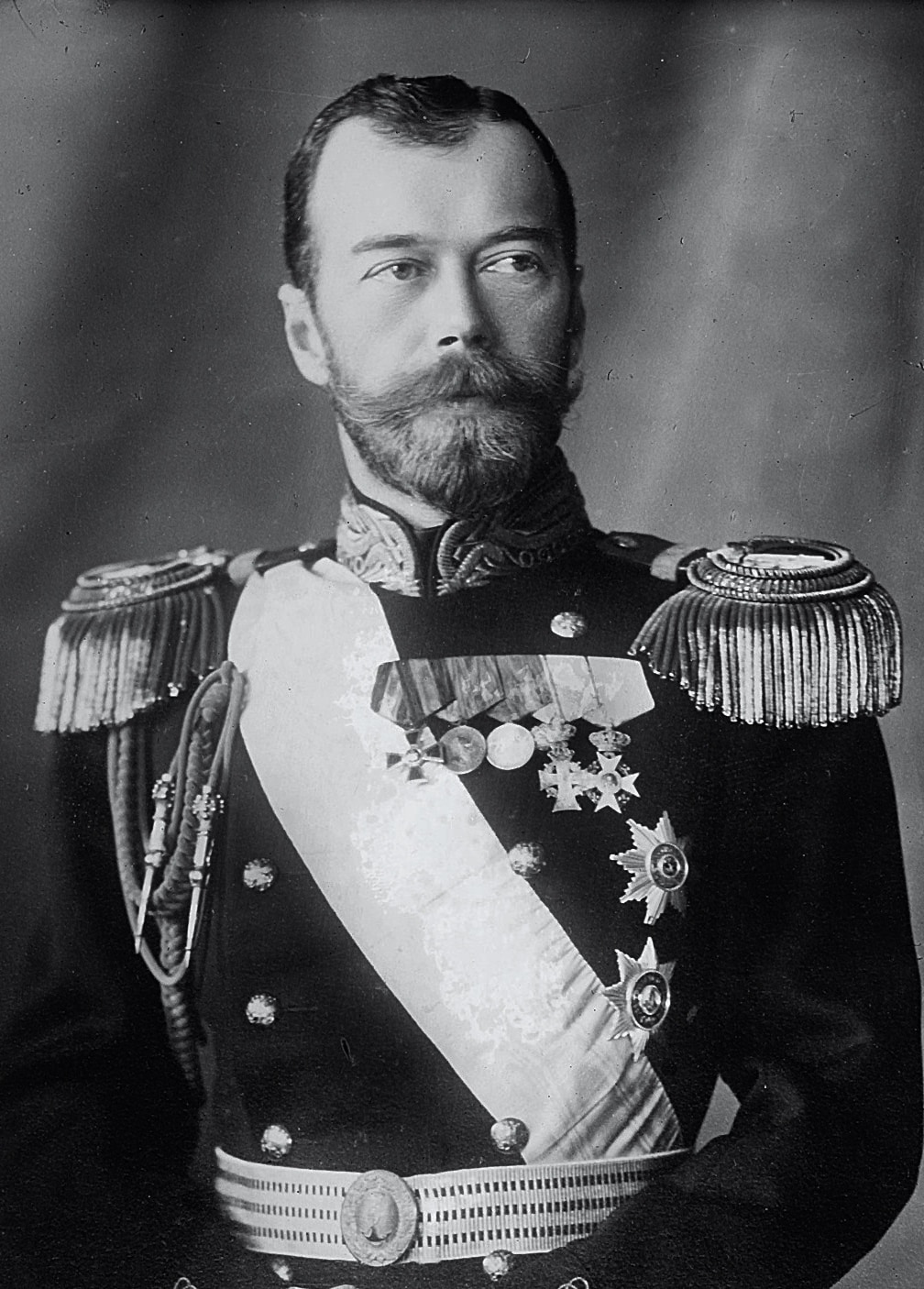
Nikolai Alexandrovich Romanov, Nicky
Dragon Tattoo
About Nicholas II of Russia
Nicholas II (born Nikolai Alexandrovich Romanov; 18 May 1868 – 17 July 1918) was the last Emperor of Russia, reigning from November 1, 1894, until his abdication in March 1917. His reign concluded the 304-year rule of the Romanov dynasty and saw the Russian Empire's participation in World War I, culminating in his family's execution and the end of centuries of Tsarist autocracy.
Early Life and Education
Born in Tsarskoye Selo, Nicholas was the eldest son of Emperor Alexander III and Empress Maria Feodorovna. He received a private education and military training, but historical accounts suggest he was considered ill-prepared for the complexities of ruling a vast empire. His upbringing was described as Spartan, influenced by English customs, and he maintained close ties with his mother and siblings. He developed an early interest in military life, uniforms, and parades, but was shy and uncomfortable in official public situations.
Accession and Reign
Nicholas II ascended to the throne upon his father's death in 1894. Despite the establishment of the Duma, a legislative assembly, Nicholas II resisted significant political reform and clung to autocratic control. His reign was characterized by a mix of industrial growth and diplomatic engagement, but also by profound domestic unrest and military setbacks. The defeat in the Russo-Japanese War and the turmoil of the 1905 Revolution severely damaged his popularity. During World War I, escalating military losses and economic hardship further eroded public confidence in his leadership.
Abdication and Execution
The February Revolution in March 1917 led to the forced abdication of Nicholas II. He and his family were subsequently imprisoned, first by the Provisional Government and later by the Bolsheviks. On July 17, 1918, Nicholas II, his wife Alexandra Feodorovna, and their five children—Olga, Tatiana, Maria, Anastasia, and Alexei—were executed in Yekaterinburg.
Legacy
In the Soviet era, Nicholas II was largely depicted as a cruel tyrant. However, more recent historical assessments often describe him as a well-intentioned but ineffective ruler, unable to cope with the immense challenges facing Russia. In 2000, Nicholas II and his immediate family were canonized as passion bearers by the Russian Orthodox Church, following the discovery and reburial of their remains in 1998.
Source: Wikipedia ↗
Frequently Asked Questions
When did Nicholas II reign as Emperor of Russia?
Nicholas II reigned as Emperor of Russia from November 1, 1894, until his abdication in March 1917. This period marked the end of the Romanov dynasty's 304-year rule.
Why was Nicholas II considered ill-prepared for ruling?
Nicholas II was privately educated and trained for military service, but he was widely considered ill-prepared for the immense demands of governing the vast Russian Empire. His upbringing and personal inclinations were seen as unsuited to the difficult duties of an emperor.
What were the major challenges during Nicholas II's reign?
His reign was marked by significant domestic unrest, military defeats such as the Russo-Japanese War, and widespread criticism of his leadership. His popularity declined further during World War I due to military losses and economic hardship.
What happened to Nicholas II and his family?
Following his abdication, Nicholas II and his family were imprisoned by the Provisional Government and later transferred to Bolshevik custody. They were executed in Yekaterinburg on July 17, 1918.
How is Nicholas II viewed today?
In the years following his death, Nicholas II was often depicted as a tyrannical ruler. More recent historical perspectives tend to view him as a well-intentioned but ultimately poor ruler, incapable of managing the nation's complex challenges. He and his family were canonized as passion bearers by the Russian Orthodox Church in 2000.
Related Saints
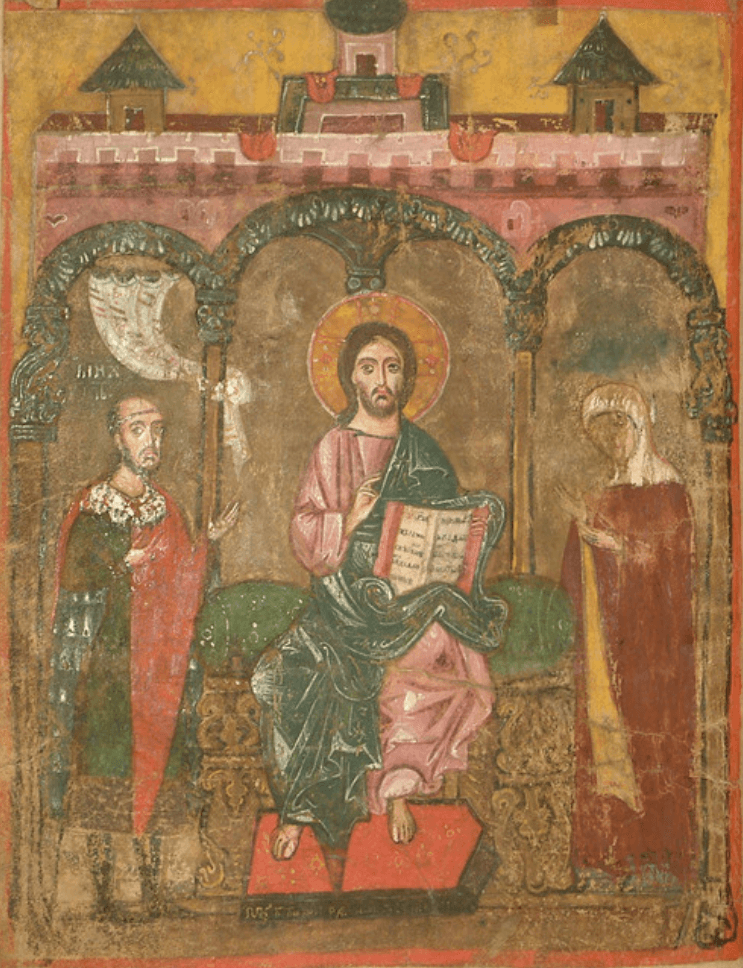
Michael of Tver
Michael Yaroslavich was the Prince of Tver and Grand Prince of Vladimir, known for his struggles with Moscow and his eventual canonization by the Russian Orthodox Church. He is remembered for his piety during his summons to the Golden Horde, which he knew would lead to his death, and for the incorruptibility of his relics.
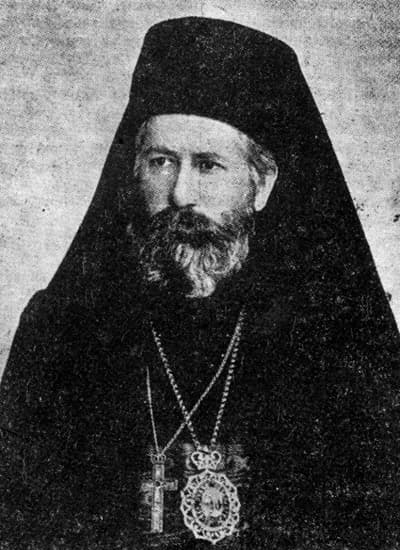
Joannicius I of Montenegro
Joannicius I of Montenegro was the Metropolitan of the Diocese of Montenegro and the Littoral. He is remembered for his collaboration with occupying Axis powers during World War II and his subsequent execution by Communist-led Yugoslav Partisans. Posthumously canonized by the Serbian Orthodox Church, he was recognized as a saint in 1999.
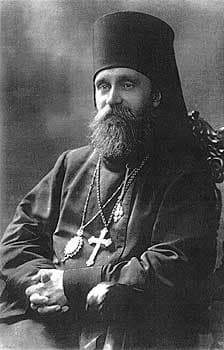
Platon Kulbusch
Platon Kulbusch was the first Orthodox saint of Estonian ethnicity, serving as a bishop during a period of significant political upheaval. He is remembered for his support of Estonian independence and his martyrdom during the Bolshevik invasion. His canonization by multiple Orthodox churches solidified his status as a significant figure in Estonian religious history.