
Platon Kulbusch
January 14·20th century·Estonia
Platon Kulbusch was the first Orthodox saint of Estonian ethnicity, serving as a bishop during a period of significant political upheaval. He is remembered for his support of Estonian independence and his martyrdom during the Bolshevik invasion. His canonization by multiple Orthodox churches solidified his status as a significant figure in Estonian religious history.
Key Facts
- ›Born Paul Kulbusch on July 25, 1869, in Pootsi, Pärnumaa.
- ›Graduated from St. Petersburg Theological Academy with a master's degree in 1894.
- ›Became a priest at the Estonian Orthodox Church of Saint Isidore in St. Petersburg.
- ›Elected bishop of Reval (Tallinn) in 1917 and consecrated as Bishop Platon on December 31, 1917.
- ›Supported Estonian independence during World War I and the subsequent German occupation.
- ›Arrested by Bolshevik forces in Tartu on January 2, 1919, and executed on January 14, 1919.
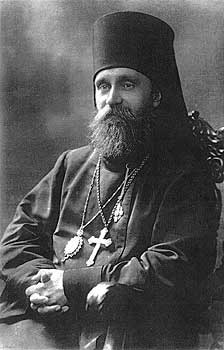
Paul Kulbusch, Paul Kuhlbusch, Paul Kuldbush
Russian Orthodox Church Outside Russia, Eastern Orthodox Church, Patriarchate of Constantinople
About Platon Kulbusch
Platon Kulbusch, born Paul Kulbusch (1869–1919), holds the distinction of being the first Orthodox saint of Estonian ethnicity. His life and martyrdom occurred during a period of profound political and social upheaval in Estonia, marked by World War I, the Russian Revolution, and the struggle for national independence.
Life and Ministry
Born in Pootsi, Pärnumaa, Paul Kulbusch pursued theological studies, graduating from the St. Petersburg Theological Academy in 1894 with a master's degree. He subsequently served as a priest at the Estonian Orthodox Church of Saint Isidore in St. Petersburg, where he was instrumental in expanding church institutions and buildings and fostered outreach to the Anglican church. In 1917, he was elected bishop of Reval (modern Tallinn) and consecrated as Bishop Platon on December 31, 1917. During this tumultuous era, marked by the overthrow of the Russian emperor and Estonia's declaration of independence amidst German invasions and occupations, Platon Kulbusch actively supported his nation's aspirations for self-determination. He undertook extensive pastoral visits throughout Estonia during the German occupation.
Martyrdom and Canonization
Following the handover of political power to the Estonian national government in November 1918, the Bolsheviks invaded Estonia. Platon Kulbusch, who had fallen ill with pneumonia in Tartu, was arrested by Bolshevik forces on January 2, 1919, and imprisoned. On January 14, 1919, he was executed along with two other priests, Michael Bleive and Nikolai Bezhanitsky, during the Tartu Credit Center Massacre. His martyrdom was recognized by the Russian Orthodox Church Outside Russia in 1982, and subsequently by the Russian Orthodox Church and the Patriarchate of Constantinople in 2000.
Source: Wikipedia ↗
Frequently Asked Questions
Who was Platon Kulbusch?
Platon Kulbusch, born Paul Kulbusch, was an Estonian bishop and the first Orthodox saint of Estonian ethnicity. He was a prominent figure during a turbulent period of Estonian history.
When was Platon Kulbusch born and when did he die?
Platon Kulbusch was born on July 25, 1869, and died on January 14, 1919.
Why is Platon Kulbusch considered a saint?
Platon Kulbusch was canonized as a martyr by several Orthodox churches, including the Russian Orthodox Church Outside Russia, the Russian Orthodox Church, and the Patriarchate of Constantinople, for his faith and death during the Bolshevik invasion.
What role did Platon Kulbusch play in Estonian independence?
Bishop Platon staunchly supported Estonia's yearning for independence. He traveled extensively through Estonia, visiting parishes, during the tumultuous period of World War I and subsequent occupations.
How did Platon Kulbusch die?
Platon Kulbusch was arrested by Bolshevik forces in Tartu in January 1919 and executed on January 14, 1919, during the Tartu Credit Center Massacre, just before the city was retaken by the Estonian Army.
Related Saints
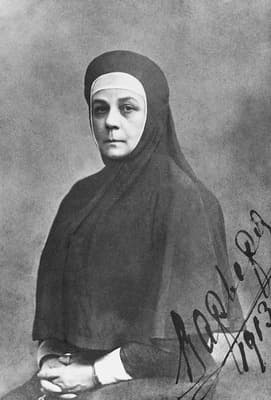
Barbara Yakovleva
Varvara Alexeyevna Yakovleva, known as Nun Barbara, was a Russian Orthodox nun who served as Grand Duchess Elizabeth Fyodorovna's maid before taking her vows. She is remembered as a martyr, having been killed by the Bolsheviks in 1918 along with the Grand Duchess and other members of the imperial family.
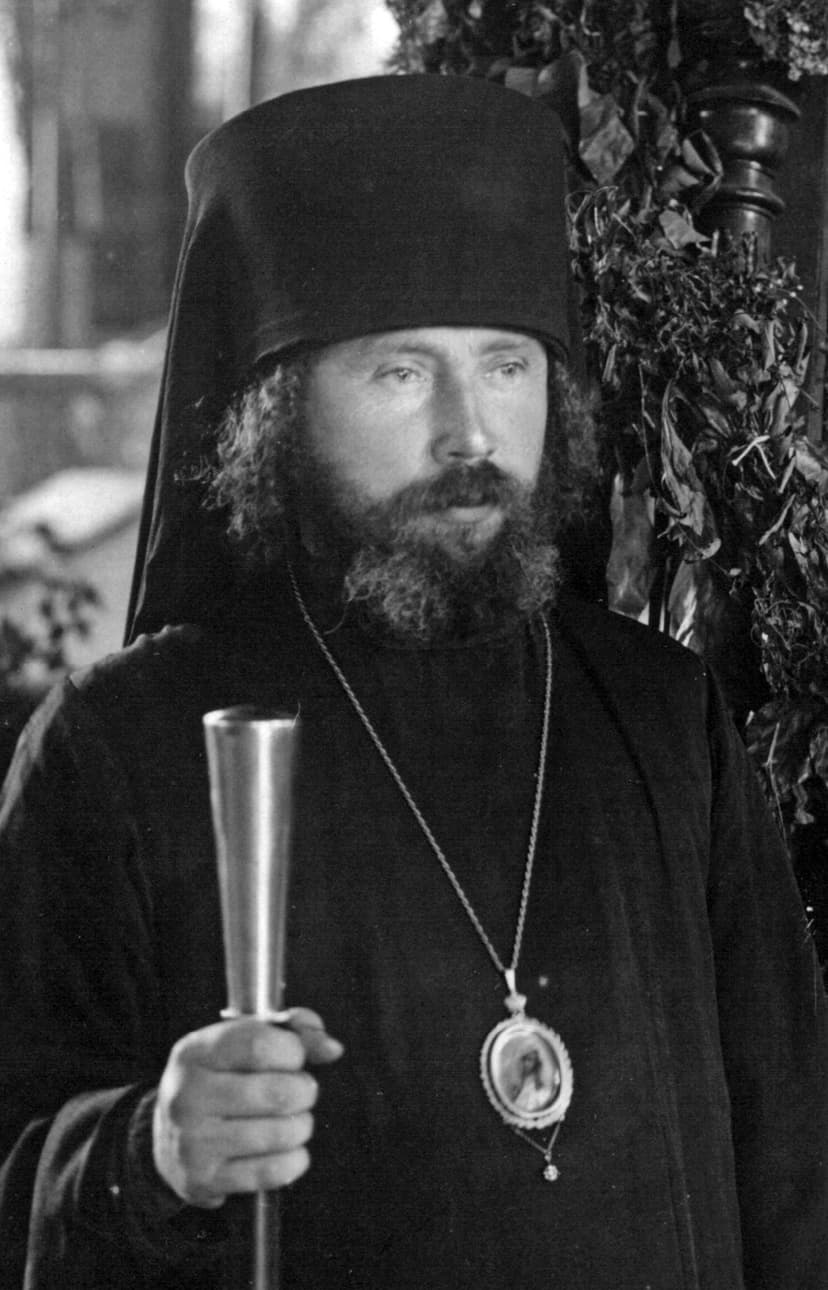
Jonah of Manchuria
Bishop Jonah, born Vladimir Ilyich Pokrovsky, was a titular bishop of Hankou for the Russian Orthodox Church Outside Russia who served in Northern China after the Bolshevik Revolution. He is remembered for his charitable work in Manchuria, establishing an orphanage, school, and dining hall, and for his miraculous healing attributed to him after his death. He was officially glorified by ROCOR in 1996 and canonized by the Russian Orthodox Church in 2016.
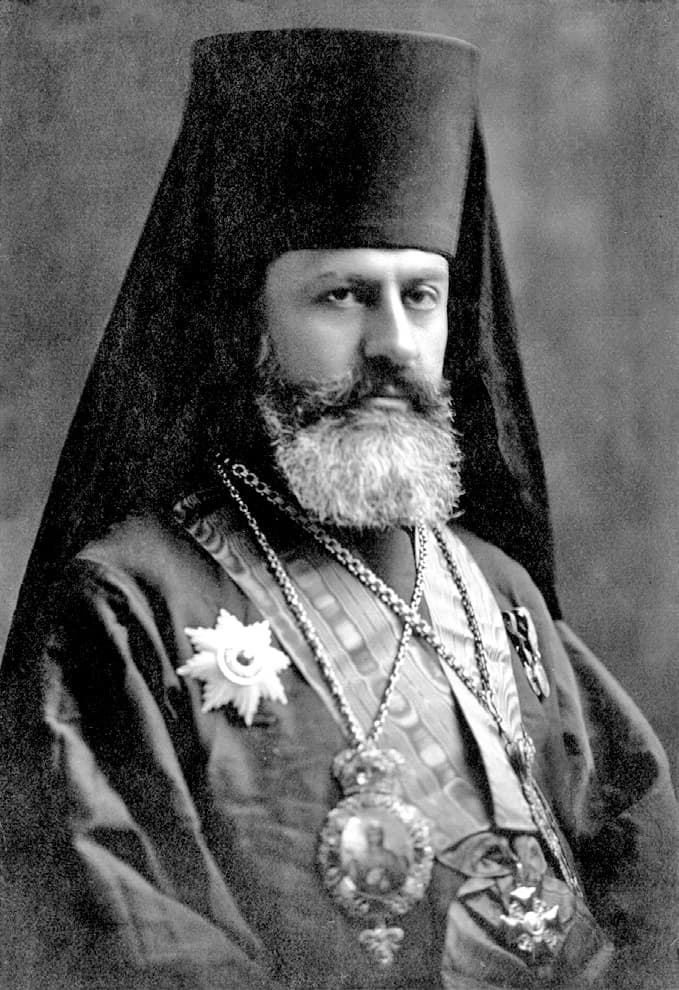
Raphael of Brooklyn
Raphael of Brooklyn was the first Eastern Orthodox bishop in America, serving as an auxiliary bishop for the Russian Orthodox Church and head of the Antiochian Syrian Christian mission. He is remembered for his strong opposition to ethnophyletism and exclusivism within the church, and for his pioneering efforts in integrating the Eastern Orthodox Church into multimedia through the first published Orthodox magazine. His missionary zeal led him across North America and even to the Caribbean, establishing numerous parishes and churches.