
Barbara Yakovleva
Varvara Alexeyevna Yakovleva, known as Nun Barbara, was a Russian Orthodox nun who served as Grand Duchess Elizabeth Fyodorovna's maid before taking her vows. She is remembered as a martyr, having been killed by the Bolsheviks in 1918 along with the Grand Duchess and other members of the imperial family.
Key Facts
- ›She was born around 1880 and died on July 18, 1918.
- ›She came from Tver and joined the Martha and Mary Convent in Moscow on August 20, 1910.
- ›She served as Grand Duchess Elizabeth Fyodorovna's maid before becoming a nun.
- ›She voluntarily accompanied the Grand Duchess into exile following the Russian Revolution.
- ›She was killed by the Bolsheviks at Alapaevsk, thrown into a mineshaft after being clubbed.
- ›She was canonized as a martyr by both the Russian Orthodox Church Outside Russia and the Russian Orthodox Church.
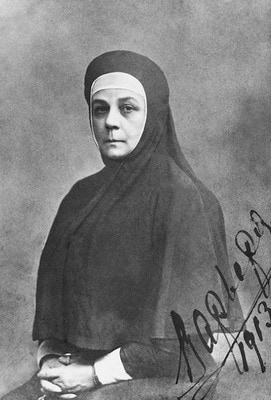
Nun Barbara, Varvara Alexeyevna Yakovleva, Varya
Sisters of the Martha and Mary Convent
About Barbara Yakovleva
Nun Barbara
Nun Barbara, born Varvara Alexeyevna Yakovleva (c. 1880 – July 18, 1918), was a Russian Orthodox nun venerated as a martyr. She is chiefly remembered for her service to Grand Duchess Elizabeth Fyodorovna and her subsequent execution by Bolshevik forces during the Russian Revolution.
Life and historical context
Little is reliably recorded about Varvara Yakovleva's life before she entered the Martha and Mary Convent in Moscow. Documentary evidence indicates she hailed from Tver and arrived at the convent on August 20, 1910, at the age of 31. Known for her small stature and deep piety, she initially served as Grand Duchess Elizabeth's maid before taking her monastic vows. As sisters of the convent, they were active in charitable endeavors throughout Moscow, providing aid to the poor, establishing a home for tuberculosis patients, a hospital, and residences for the disabled, pregnant women, the elderly, and orphans. These charitable efforts eventually extended to other Russian cities.
Exile and death
Following the Russian Revolution of 1917, Varvara Yakovleva voluntarily accompanied Grand Duchess Elizabeth when she was arrested and exiled. The group was initially held in Yekaterinburg and later moved to Alapaevsk. On the afternoon of July 18, 1918, they were taken at gunpoint into the woods near Alapaevsk, where they were clubbed on the head and thrown into a mineshaft. While Grand Duke Sergei Mikhailovich was shot before being thrown in, the others, including Nun Barbara, survived the fall. Their hymns could be heard from the bottom of the shaft until they succumbed to their injuries and died.
Veneration and legacy
In recognition of her martyrdom, Varvara Yakovleva was canonized as a "new martyr" by the Russian Orthodox Church Outside Russia in 1981, acknowledging her as a victim of Soviet oppression. The Russian Orthodox Church within Russia also canonized her as a martyr in April 1992. In May 1982, her body, along with that of Grand Duchess Elizabeth Feodorovna, was transferred from the crypt of the Church of Mary Magdalene in Gethsemane to its upper church, allowing for public veneration.
Source: Wikipedia ↗
Frequently Asked Questions
Who was Nun Barbara?
Nun Barbara, whose birth name was Varvara Alexeyevna Yakovleva, was a Russian Orthodox nun. She was known for her piety and service, notably as the maid to Grand Duchess Elizabeth Fyodorovna before taking her vows.
When and how did Nun Barbara die?
Nun Barbara died on July 18, 1918, during the Russian Revolution. She was killed by Bolsheviks at Alapaevsk, along with Grand Duchess Elizabeth and other members of the imperial family, by being clubbed and thrown into a mineshaft.
What was Nun Barbara's role before becoming a nun?
Before becoming a nun, Varvara Alexeyevna Yakovleva served as the personal maid to Grand Duchess Elizabeth Fyodorovna. She later joined the Grand Duchess in taking vows at the Martha and Mary Convent.
Why is Nun Barbara considered a martyr?
Nun Barbara is considered a martyr because she was executed by the Bolsheviks for her faith and association with the Grand Duchess and the imperial family. She was canonized as a 'new martyr' for her death during the Soviet era.
Where are Nun Barbara's relics kept?
The relics of Nun Barbara, along with those of Grand Duchess Elizabeth Fyodorovna, were moved to the upper church of St. Mary Magdalene in Gethsemane in May 1982, where they are venerated.
Related Saints
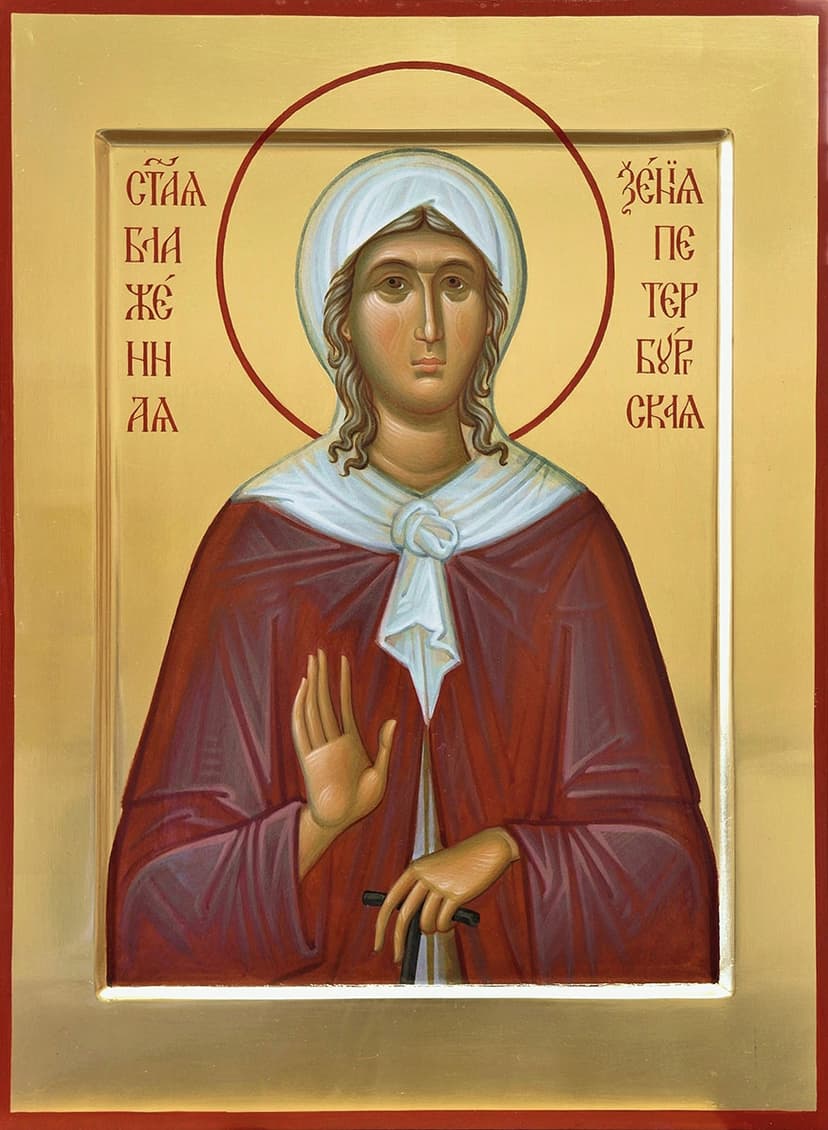
Xenia of Saint Petersburg
Xenia of Saint Petersburg is a patron saint of the city, venerated for her radical devotion after her husband's death. She became a "fool-for-Christ," renouncing her possessions and worldly status to live a life of prayer and service on the streets, traditionally wearing her late husband's uniform. She is remembered for her intercessions in various life matters, including employment, marriage, and the homeless.
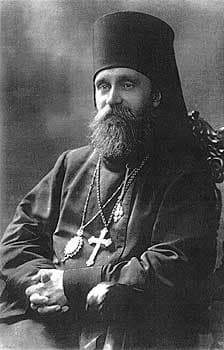
Platon Kulbusch
Platon Kulbusch was the first Orthodox saint of Estonian ethnicity, serving as a bishop during a period of significant political upheaval. He is remembered for his support of Estonian independence and his martyrdom during the Bolshevik invasion. His canonization by multiple Orthodox churches solidified his status as a significant figure in Estonian religious history.
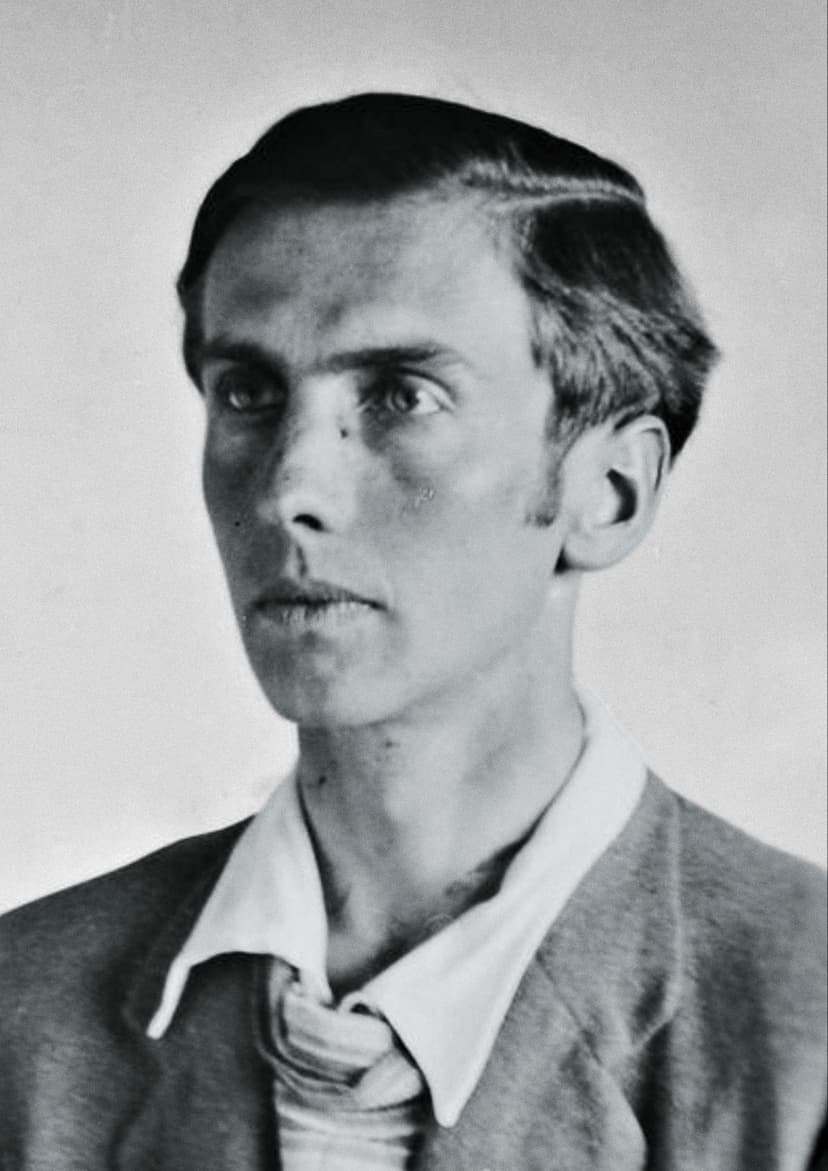
Alexander of Munich
Alexander Schmorell was a Russian-German student in Munich and a key member of the White Rose resistance group against the Nazi regime. He is remembered for his courageous opposition to Nazism through leaflet distribution and graffiti, which led to his execution. Schmorell was later glorified as a saint and passion bearer by the Russian Orthodox Church Outside Russia.