
Xenia of Saint Petersburg
February 6·19th century·Russia
Xenia of Saint Petersburg is a patron saint of the city, venerated for her radical devotion after her husband's death. She became a "fool-for-Christ," renouncing her possessions and worldly status to live a life of prayer and service on the streets, traditionally wearing her late husband's uniform. She is remembered for her intercessions in various life matters, including employment, marriage, and the homeless.
Key Facts
- ›Born Xenia Grigoryevna Petrova, she became known as Xenia of Saint Petersburg.
- ›After her husband, Colonel Andrey Fyodorovich Petrov, died, she gave away all her possessions to the poor.
- ›She lived as a "fool-for-Christ" for 45 years, wandering the streets of St. Petersburg.
- ›Tradition states she often wore her deceased husband's military uniform.
- ›Her grave is located in the Smolensky Cemetery of St. Petersburg, marked by a chapel built in 1902.
- ›She was canonized by the Russian Orthodox Church Outside Russia in 1978 and by the Russian Orthodox Church in 1988.
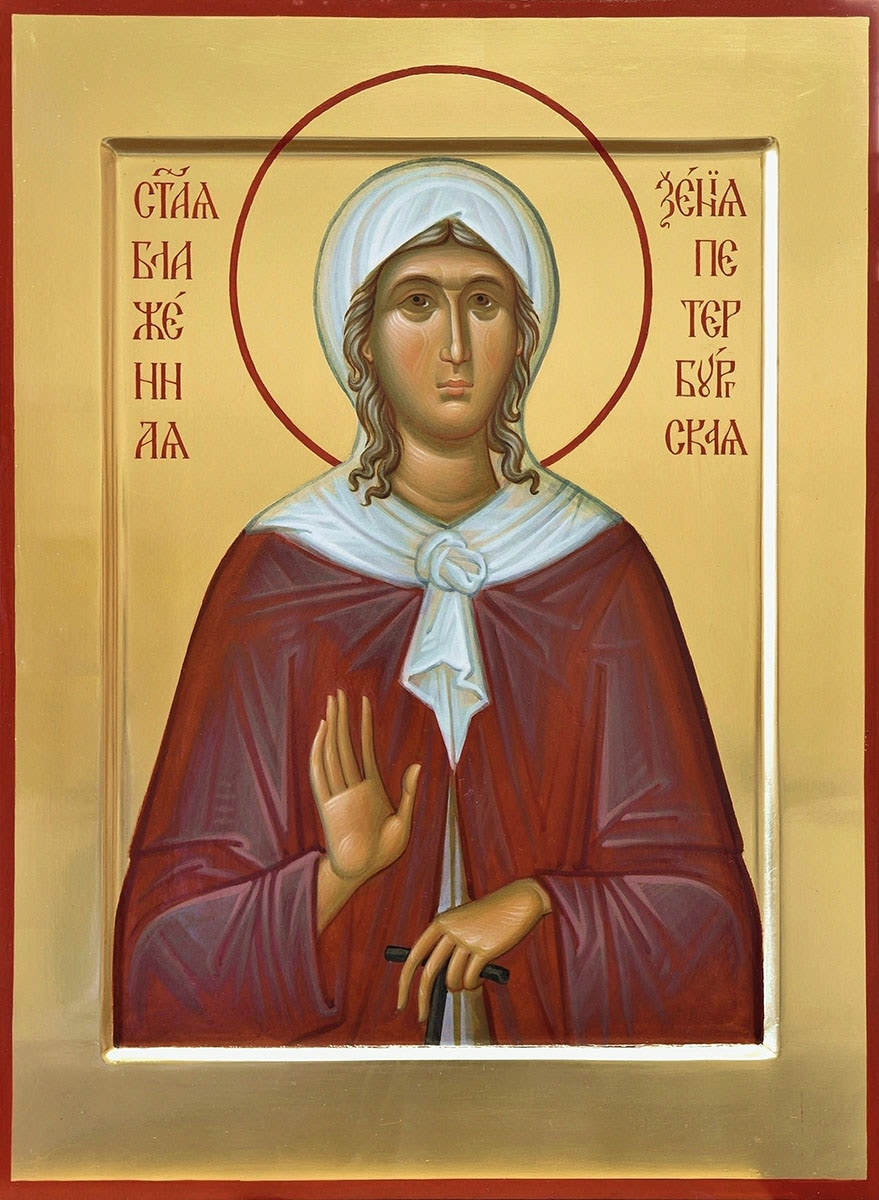
Xenia Grigoryevna Petrova, Blessed Xenia of Petersburg
St. Petersburg, Employment, Marriage, the Homeless, Fires, Missing Children, Spouses
Husband's Military Uniform
About Xenia of Saint Petersburg
Xenia of Saint Petersburg, born Xenia Grigoryevna Petrova, is a revered saint and patroness of the city of St. Petersburg, Russia. Her life, traditionally dated from around 1719–1730 to c. 1803, is marked by a profound spiritual transformation following the death of her husband, Colonel Andrey Fyodorovich Petrov, who served as a chanter at the Saint Andrew Cathedral.
Life and Veneration
According to hagiographical accounts, upon her husband's untimely death, Xenia renounced her earthly possessions, distributing them to the poor. She subsequently embraced the ascetic life of a "fool-for-Christ," a spiritual practice involving a rejection of worldly status and often eccentric outward behavior to express devotion and humility. For approximately 45 years, Xenia is said to have wandered the streets of St. Petersburg, often attired in her late husband's military uniform, a striking symbol of her detachment from societal norms and her enduring commitment to her spiritual path.
Xenia's earthly remains are interred in the Smolensky Cemetery in St. Petersburg, where an ornate chapel was erected in her honor in 1902. Her veneration grew significantly over time, leading to her formal canonization. The Russian Orthodox Church Outside Russia canonized her on September 24, 1978, followed by the Russian Orthodox Church on June 6, 1988. The Holy Synod of the Romanian Orthodox Church also officially recognized her in July 2020.
Legacy
Today, Xenia of Saint Petersburg is invoked for intercessions in a wide array of life circumstances. Devotees seek her help for matters concerning employment, finding a suitable marriage partner, assistance for the homeless, protection from fires, and the safe return of missing children. The widespread devotion to her is evidenced by the approximately 40 churches and chapels built in her name across various countries, solidifying her enduring spiritual presence and the continued relevance of her example of faith and charity.
Source: Wikipedia ↗
Frequently Asked Questions
Who was Xenia of Saint Petersburg?
Xenia of Saint Petersburg was a Russian saint, born Xenia Grigoryevna Petrova, who lived during the 18th century. She is venerated as a patron saint of St. Petersburg and is known for her life as a "fool-for-Christ" after her husband's death.
What did Xenia do after her husband died?
According to tradition, after her husband, Colonel Andrey Fyodorovich Petrov, died, Xenia gave away all her possessions to the poor. She then adopted a life of asceticism, becoming a "fool-for-Christ" and wandering the streets of St. Petersburg for 45 years.
What is Xenia of Saint Petersburg remembered for?
Xenia is remembered for her radical renunciation of worldly goods and her life of prayer and service on the streets. She is particularly noted for her intercessions, with people seeking her help for issues related to employment, marriage, homelessness, and protection from fires.
When was Xenia of Saint Petersburg canonized?
Xenia of Saint Petersburg was canonized by the Russian Orthodox Church Outside Russia on September 24, 1978. The Russian Orthodox Church officially canonized her on June 6, 1988.
Where is Xenia of Saint Petersburg venerated?
Xenia of Saint Petersburg is venerated primarily within the Russian Orthodox Church and the Russian Orthodox Church Outside Russia. Her feast day is also recognized by the Romanian Orthodox Church. She is venerated in several countries, with many churches and chapels built in her honor.
Related Saints
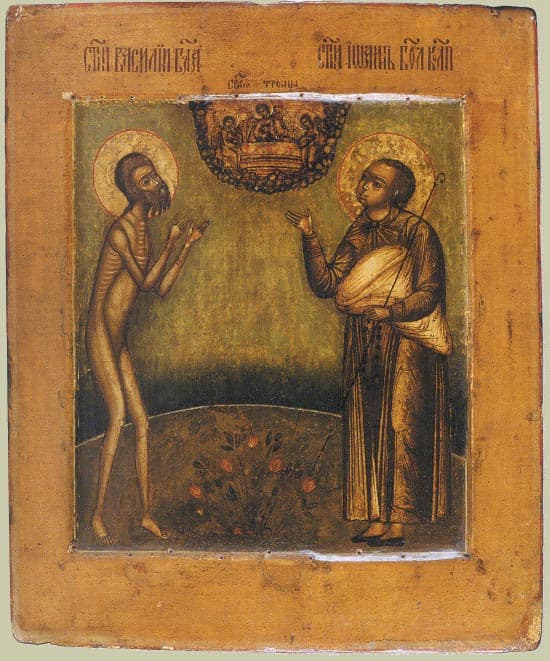
John of Moscow
John of Moscow was a 16th-century Russian saint known for his holy foolishness for Christ. He is remembered as a wonderworker and seer in Moscow, who fearlessly spoke the truth to all, including the Czar, and foretold future misfortunes for Russia.
Isidora
Saint Isidora was a 4th-century Christian nun and one of the earliest recorded "fools for Christ." She is remembered for embodying the Pauline ideal of worldly foolishness leading to spiritual wisdom, emphasizing that God's recognition of one's actions is paramount over human glory.
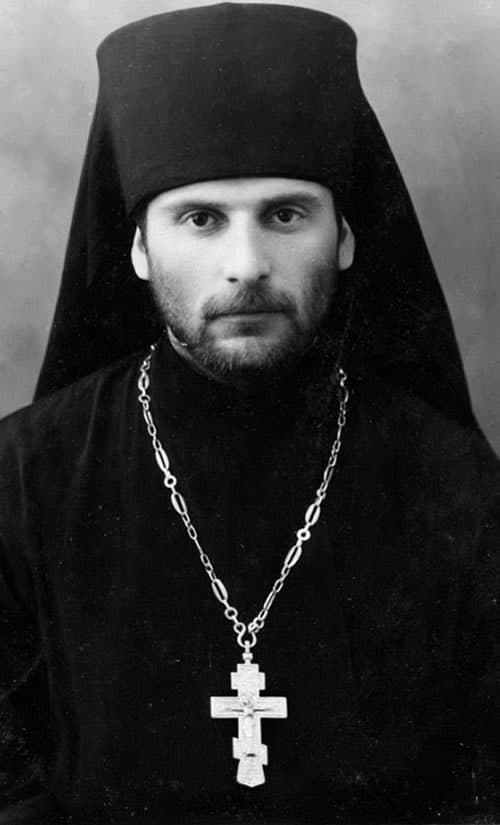
Gabriel of Georgia
Saint Gabriel of Georgia, born Goderdzi Urgebadze, was a Georgian Orthodox monk venerated for his dedicated monastic life and piety. He is remembered for his asceticism, prophetic gifts, and particularly for his public protest against Soviet power by burning a portrait of Lenin. He was officially canonized by the Georgian Orthodox Church as Saint Gabriel, Confessor and Fool for Christ, and his grave in Mtskheta has become a significant pilgrimage site.