
John of Moscow
July 3·16th century·Russia
John of Moscow was a 16th-century Russian saint known for his holy foolishness for Christ. He is remembered as a wonderworker and seer in Moscow, who fearlessly spoke the truth to all, including the Czar, and foretold future misfortunes for Russia.
Key Facts
- ›He was born on the outskirts of Vologda, Russia.
- ›John practiced holy foolishness for Christ, wearing heavy chains and an iron cap, earning him the nickname 'John Big-Cap'.
- ›He went barefoot and almost naked in severe frost and foretold the Time of Troubles and Polish incursion in Russia.
- ›John spoke truth without fear, even to Czar Boris Godunov.
- ›He displayed the gift of healing before his death in 1589.
- ›His relics were uncovered on June 12, 1672, and are housed in the Cathedral of Basil the Great in Moscow.
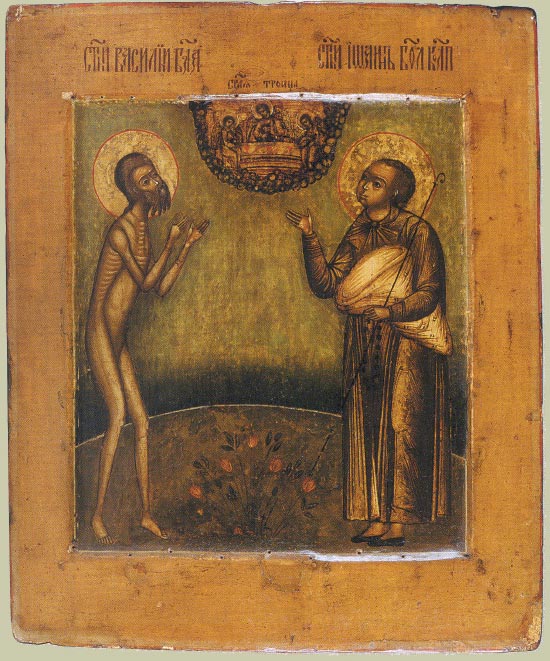
Blessed John the Fool for Christ
Chains, Iron Cap
About John of Moscow
John of Moscow, also known as Blessed John the Fool for Christ, was a 16th-century Russian saint distinguished by his ascetic life and prophetic insights. Born on the outskirts of Vologda, he spent his early life as a laborer, dedicating his work, fasting, and prayer to spiritual discipline. He later relocated to Rostov, where he began his practice of holy foolishness for the sake of Christ.
Life and Ministry
As part of his spiritual discipline, John wore chains with heavy iron crosses and a substantial iron cap, earning him the epithet "John Big-Cap." He was known for his extreme asceticism, often going barefoot and nearly naked even in severe frost. In Moscow, he became recognized as a wonderworker and seer. Historically, he is noted for fearlessly speaking the truth to all, including the highest social and political figures, such as Czar Boris Godunov.
Prophecies and Death
John of Moscow is credited with foretelling significant future calamities for Russia, including the Time of Troubles and the invasion by Polish forces. He reportedly stated that "in Moscow will be many visible and invisible devils." Before his death in 1589, he displayed the gift of healing. He had indicated his desired burial place at the Pokrov church on Rva, now known as the Cathedral of Basil the Great.
Veneration
Following his death, John of Moscow was venerated in Moscow as a great wonderworker. His relics were uncovered on June 12, 1672, and were found to be resting beneath a crypt in one of the chapels of the Cathedral of Basil the Great. Manuscript accounts of his life and service date from the 17th century. The Eastern Orthodox Church commemorates Blessed John of Moscow on July 3rd.
Source: Wikipedia ↗
Frequently Asked Questions
Who was John of Moscow?
John of Moscow was a 16th-century Russian saint, also known as Blessed John the Fool for Christ. He was venerated in Moscow as a wonderworker and seer.
What was his practice of holy foolishness?
John of Moscow practiced holy foolishness for Christ by wearing heavy chains with iron crosses and an iron cap, leading to his nickname 'John Big-Cap'. He also endured extreme weather conditions barefoot and nearly naked.
What prophecies are attributed to John of Moscow?
John of Moscow is said to have foretold major misfortunes for Russia, including the Time of Troubles and the incursion of the Poles. He also spoke of many 'devils' in Moscow.
Did he interact with political figures?
Yes, John of Moscow spoke the truth without fear to individuals of the highest social and political status, including the Czar of Russia, Boris Godunov.
When did John of Moscow die and where are his relics?
John of Moscow died in 1589. His relics were uncovered in 1672 and are preserved beneath a crypt in one of the chapels of the Cathedral of Basil the Great in Moscow.
Related Saints
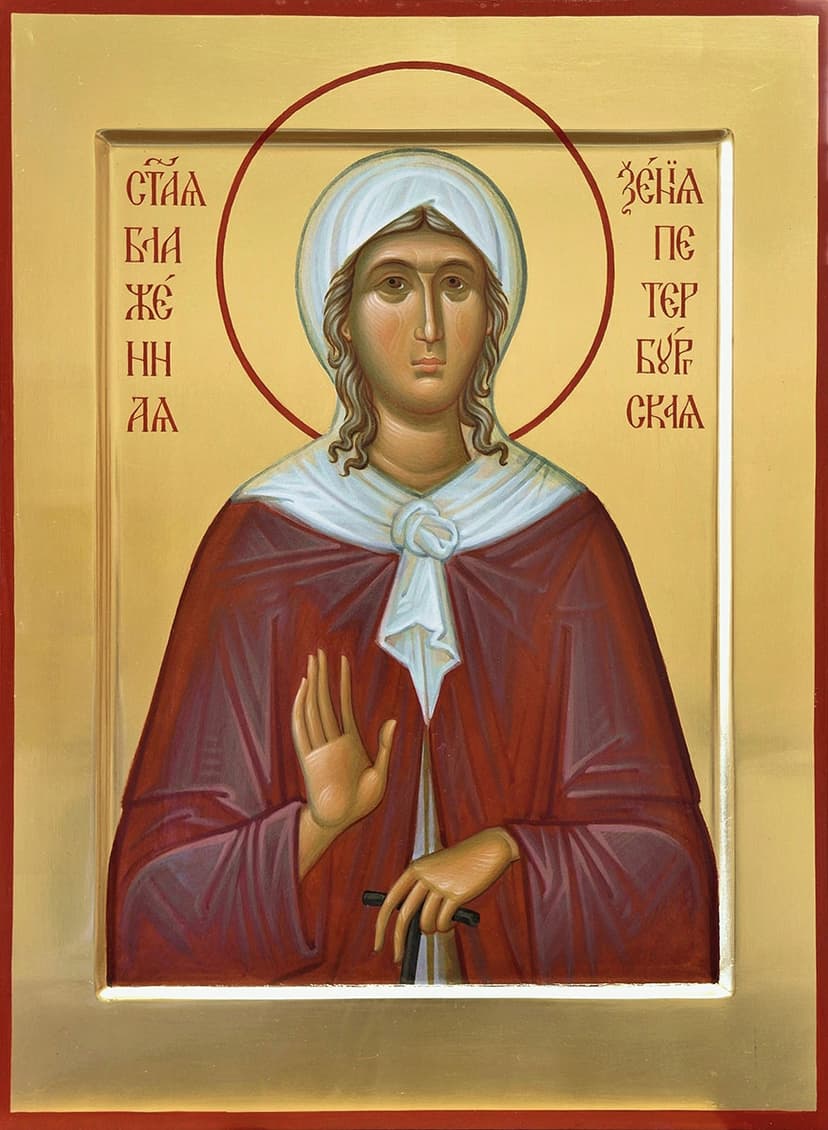
Xenia of Saint Petersburg
Xenia of Saint Petersburg is a patron saint of the city, venerated for her radical devotion after her husband's death. She became a "fool-for-Christ," renouncing her possessions and worldly status to live a life of prayer and service on the streets, traditionally wearing her late husband's uniform. She is remembered for her intercessions in various life matters, including employment, marriage, and the homeless.
Isidora
Saint Isidora was a 4th-century Christian nun and one of the earliest recorded "fools for Christ." She is remembered for embodying the Pauline ideal of worldly foolishness leading to spiritual wisdom, emphasizing that God's recognition of one's actions is paramount over human glory.
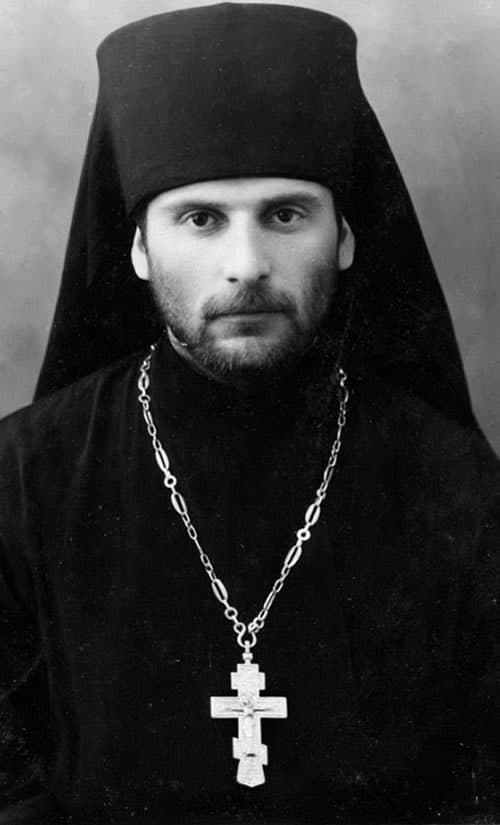
Gabriel of Georgia
Saint Gabriel of Georgia, born Goderdzi Urgebadze, was a Georgian Orthodox monk venerated for his dedicated monastic life and piety. He is remembered for his asceticism, prophetic gifts, and particularly for his public protest against Soviet power by burning a portrait of Lenin. He was officially canonized by the Georgian Orthodox Church as Saint Gabriel, Confessor and Fool for Christ, and his grave in Mtskheta has become a significant pilgrimage site.